Hello (México) Brooklyn, Part I: Red Hook

My assignment is Brooklyn. Within that assignment I have to choose 1 hood out of 3 possibles. Although I began my research mission in Sunset Park, I ended it in Red Hook.  A couple of my fellow classmates scoffed when I mentioned the Hook. “It’s a dead industrial zone,” one said. “Oh, that’s where the Ikea is,” snorted another. Maybe they were both right.
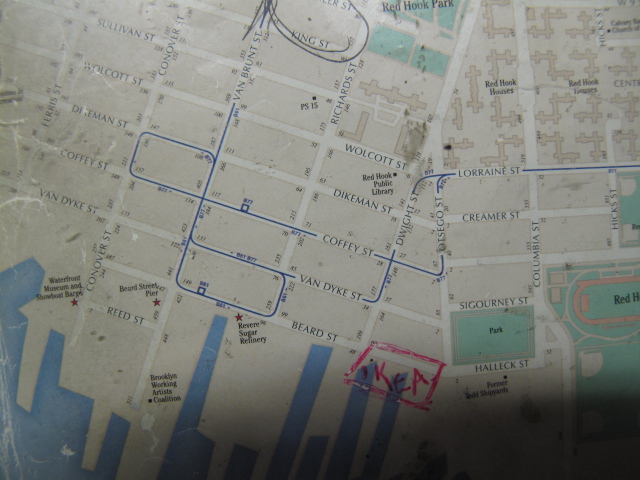
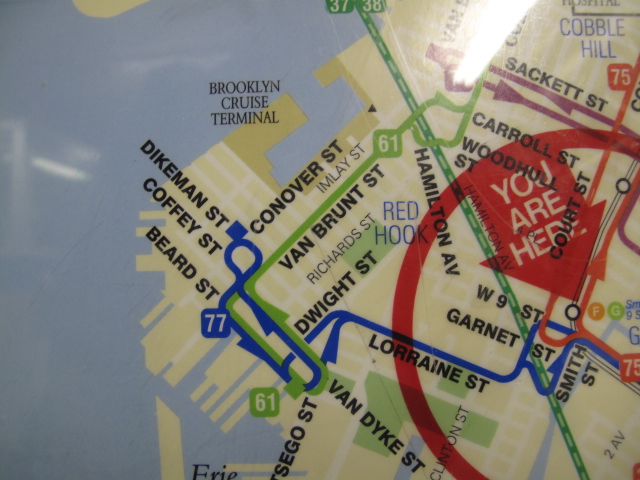
My first time ever stepping foot in Red Hook took place this past Sunday. I got off the G train (I like the way that sounds…the “G” train) at Smith St. and 9th. It was raining off -and- on that day. A table was set up on the wet concrete outside the subway. Veronica, as she told me her name was, sold chopped fruit and agua de mango y de piña on a table covered with a red cloth. A man and two children, probably her family, played soccer with a plastic bottle as the G roared above. Veronica was even selling the pin wheel looking chicharron I snacked on so many times in Mexico City. Was I still in D.F.? Nah, I was in Brooklyn, baby.

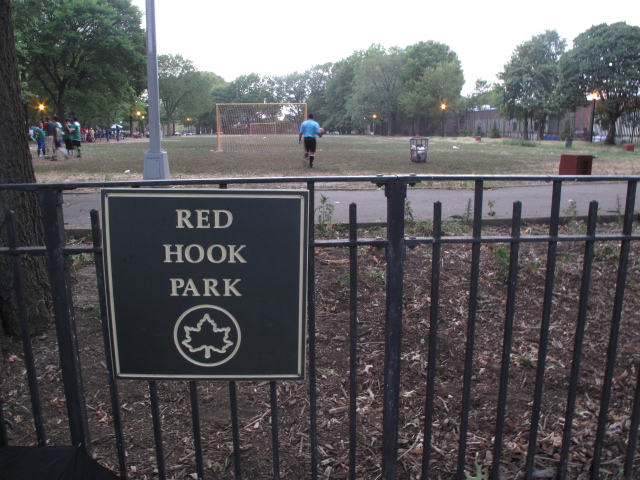
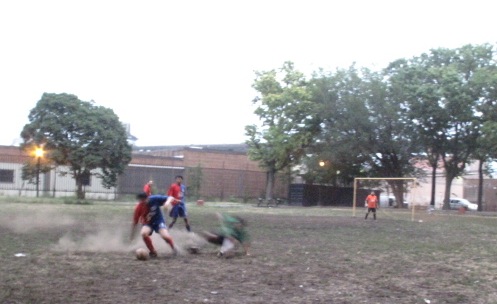
Just a short 10 minute walk from the train, family day was going down at Red Hook Park. A local soccer league was kicking up dust, despite the clouds and drizzle.
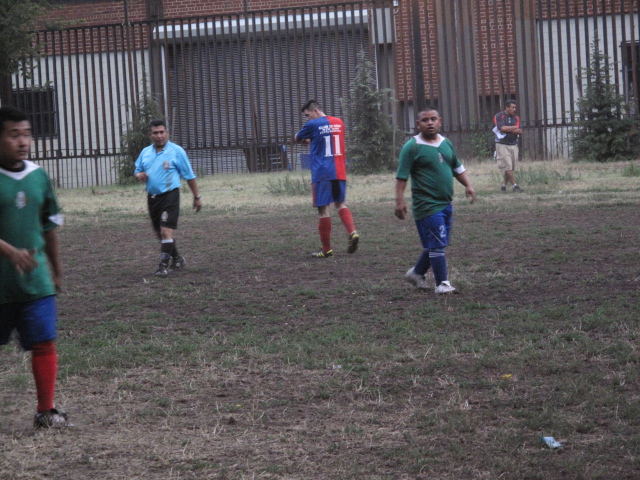
Busting out my camera to snap flicks of the vatos playing futbol, I had to ignore the fact I was arousing suspicion. Who is this guy snapping fotos? I got dozens of the “who the f*** are you?” grills. But like my man Tone says about being a true reporter, sometimes you gotta be a dog.

Talking Mixtecan in N.Y.

||

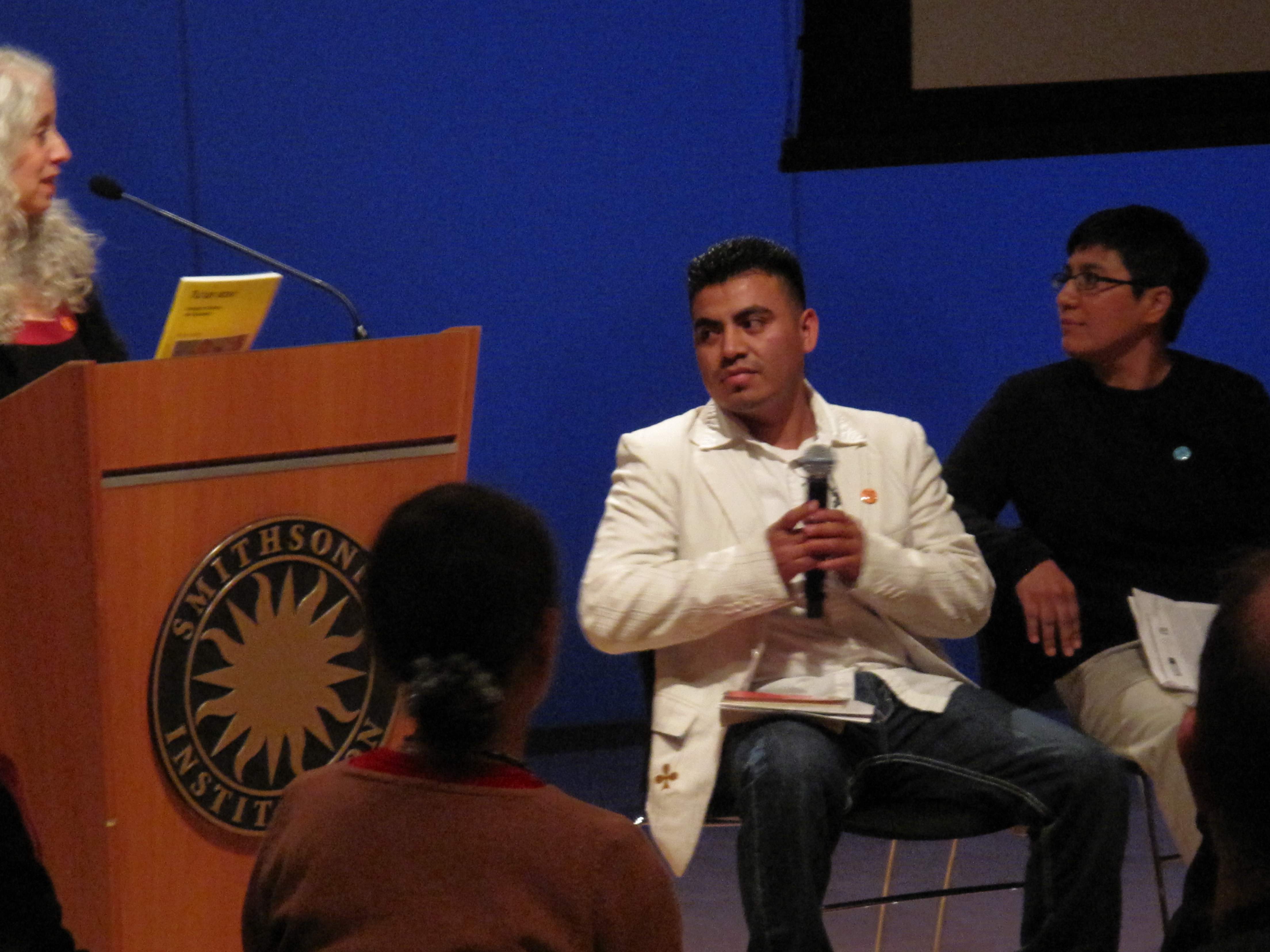
When I went to N.Y. this spring, I attended a presentation on Mixtecs in Nueva York.  It was held at the National Museum of the American Indian, and organized by a local  Mexican culture group, called Mano a Mano. The panel featured a guy, probably Oaxacan, who had to deal with the challenges of his otherness, and his language, when he arrived on the East Coast.

Yet another story about the ¨Mixtec transnational social experience¨.

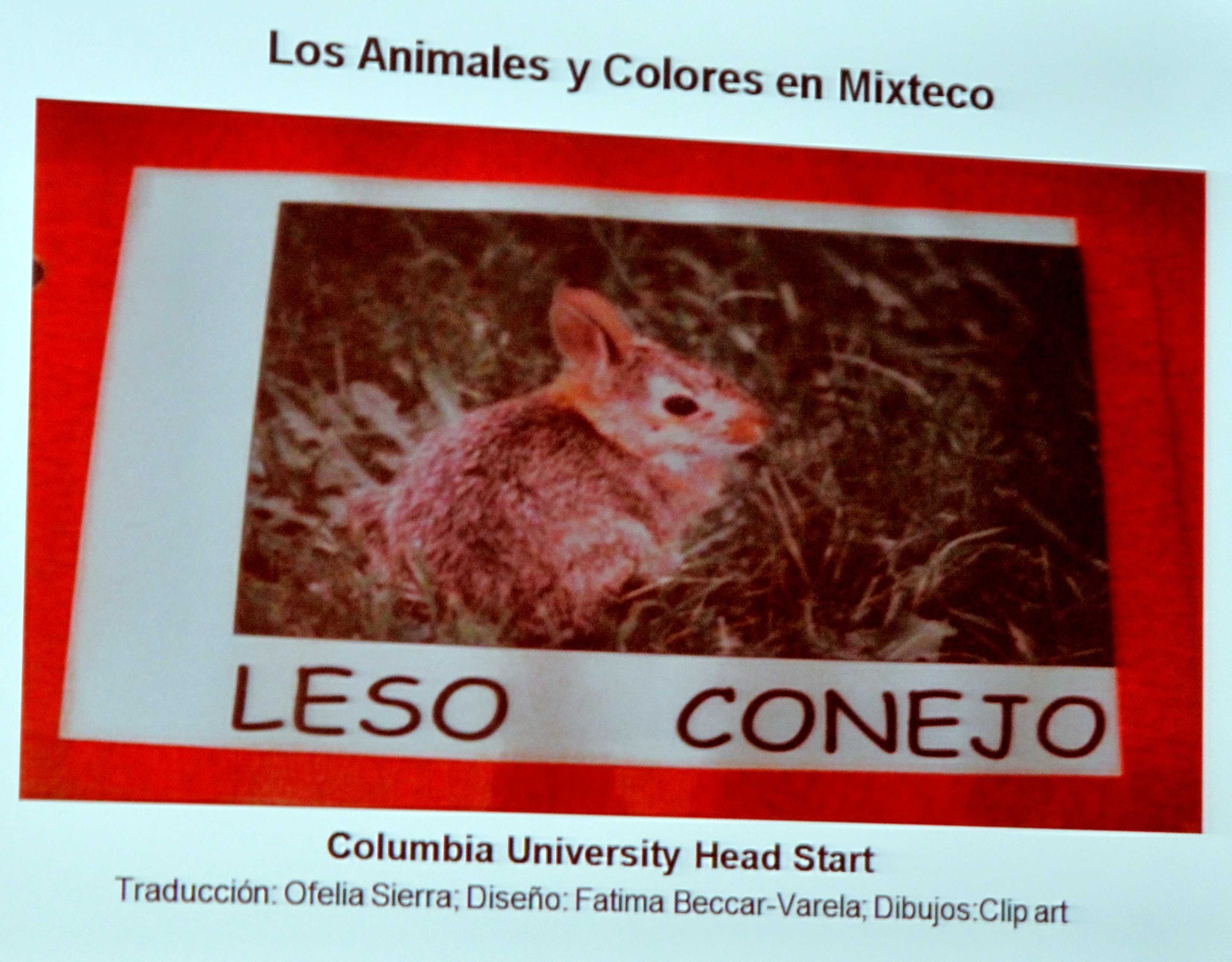
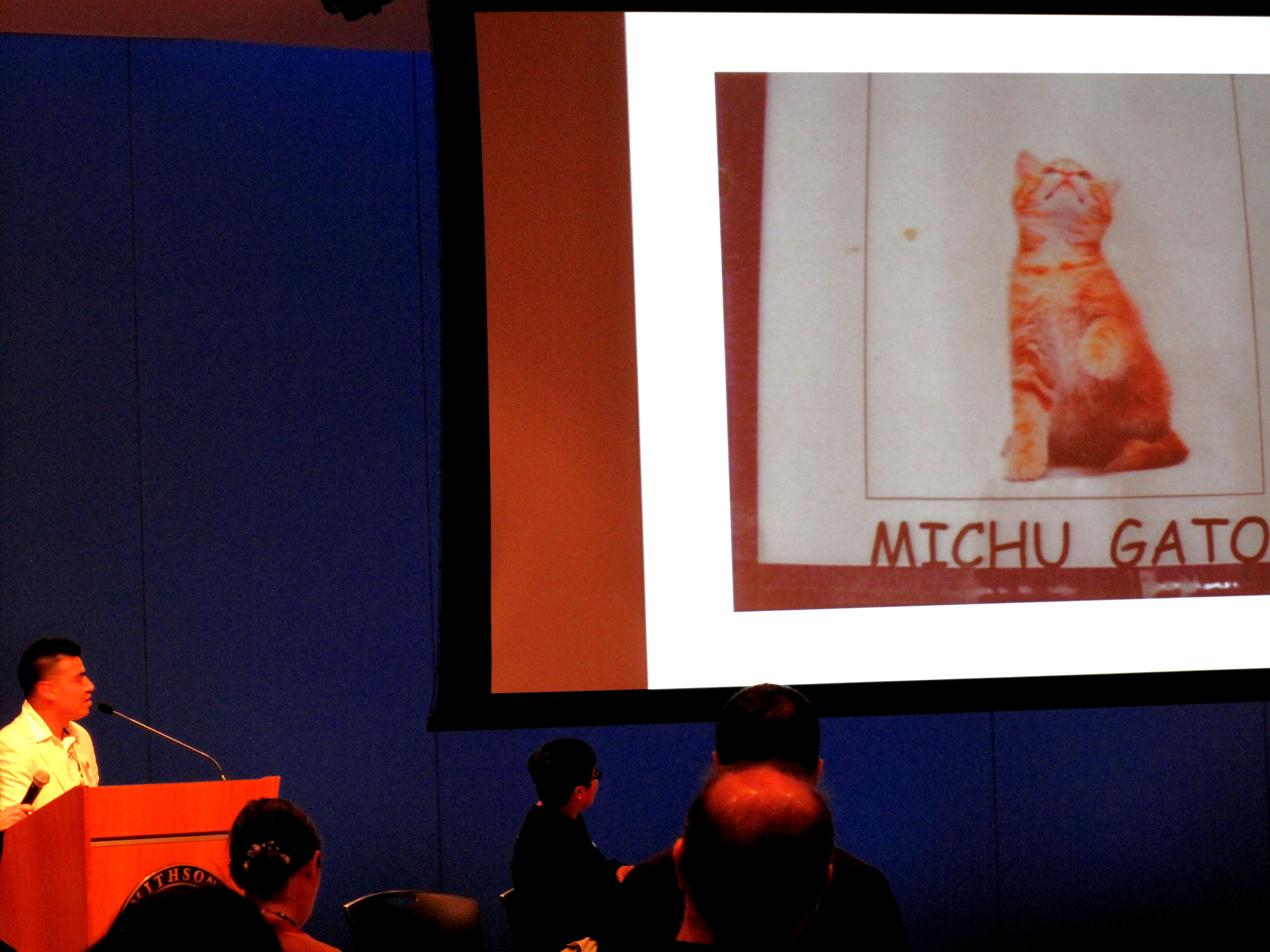
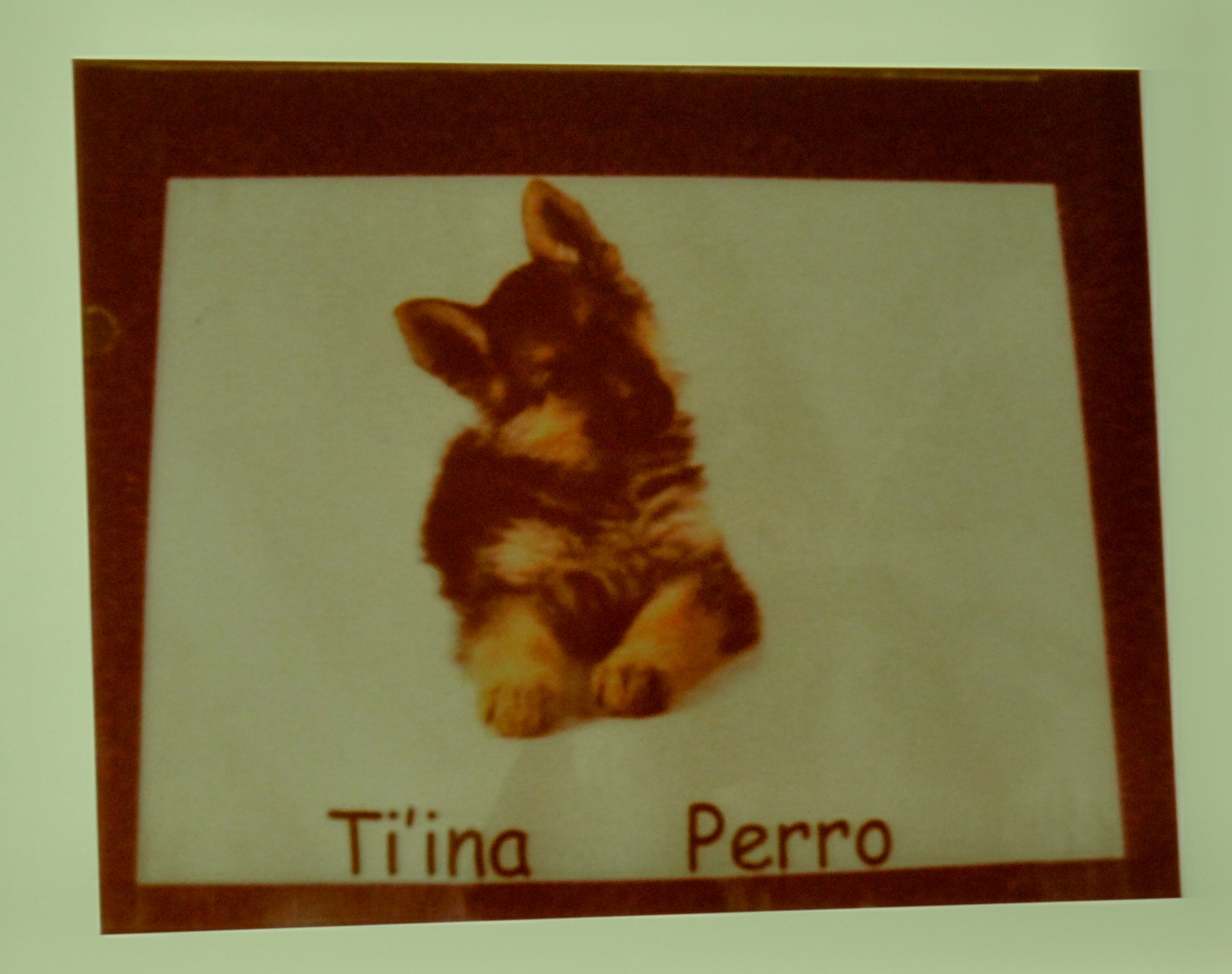
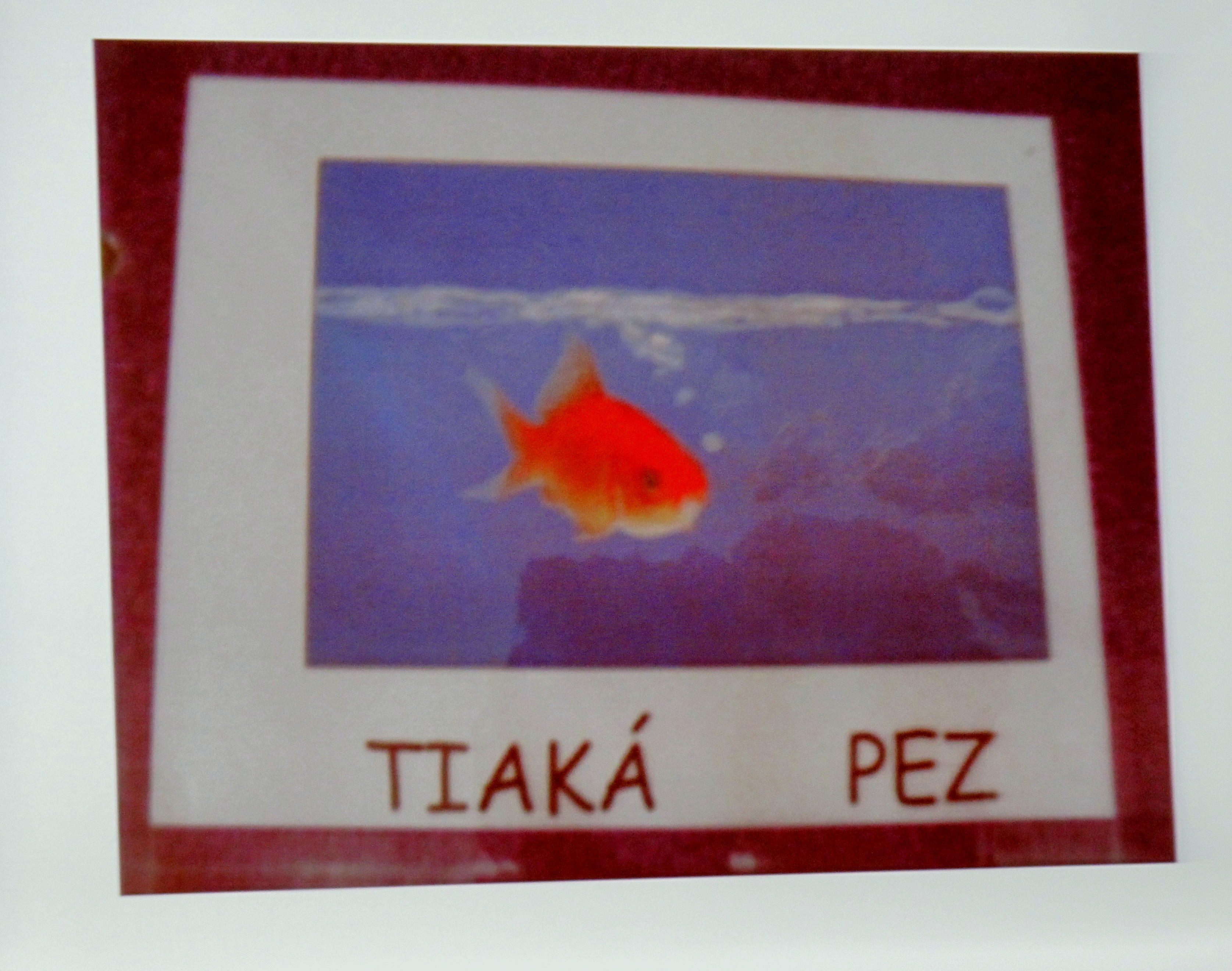
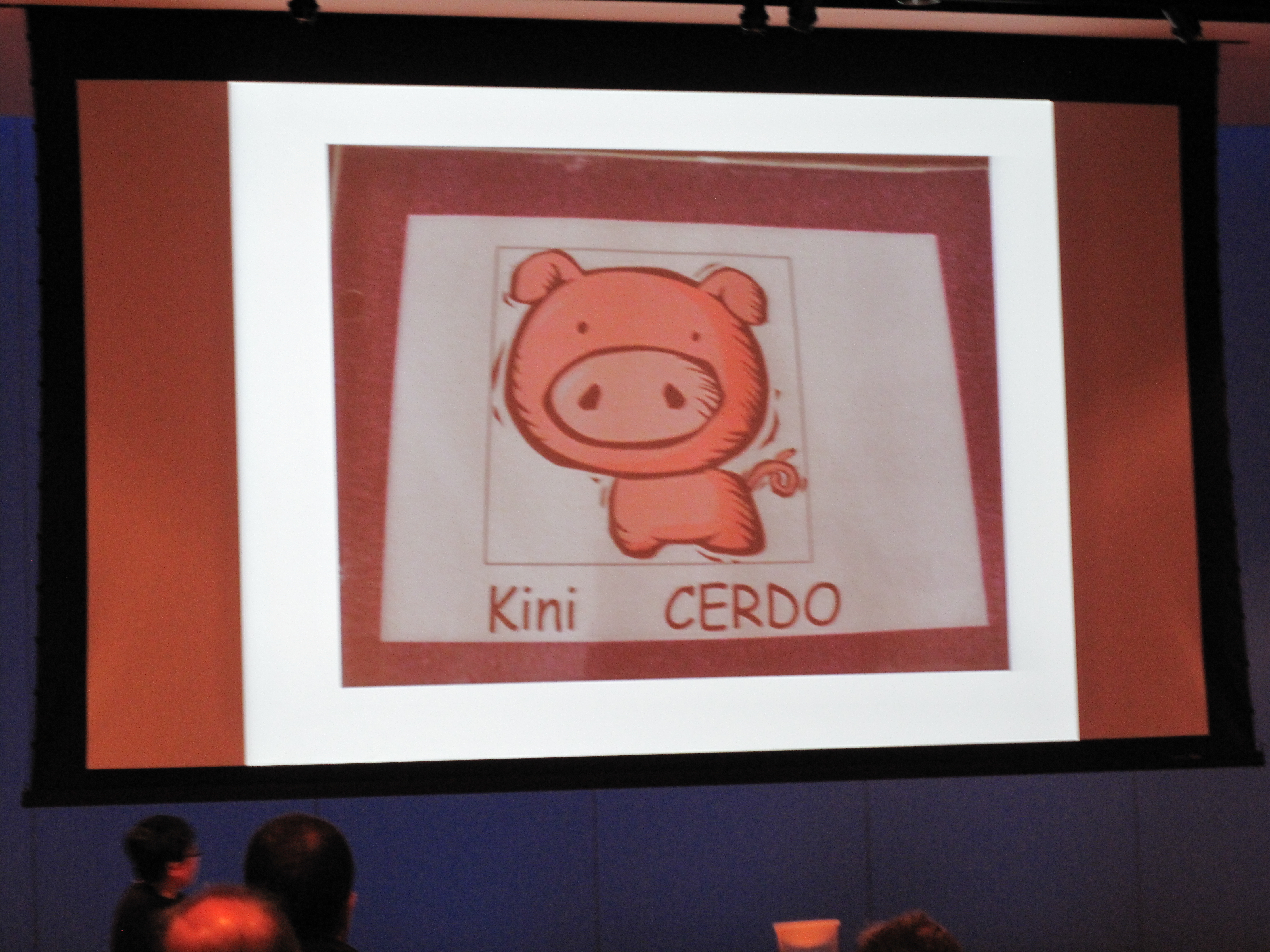
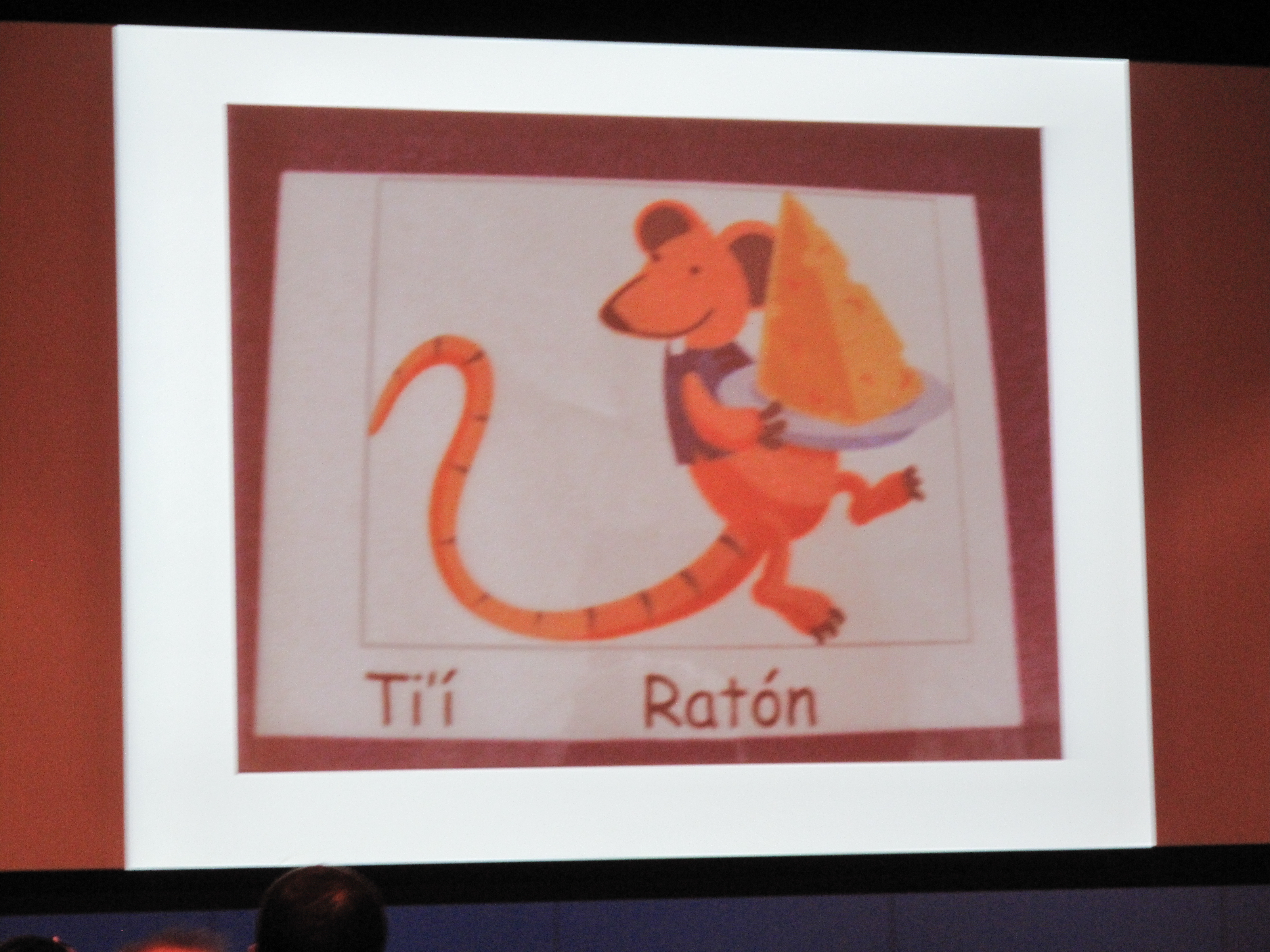
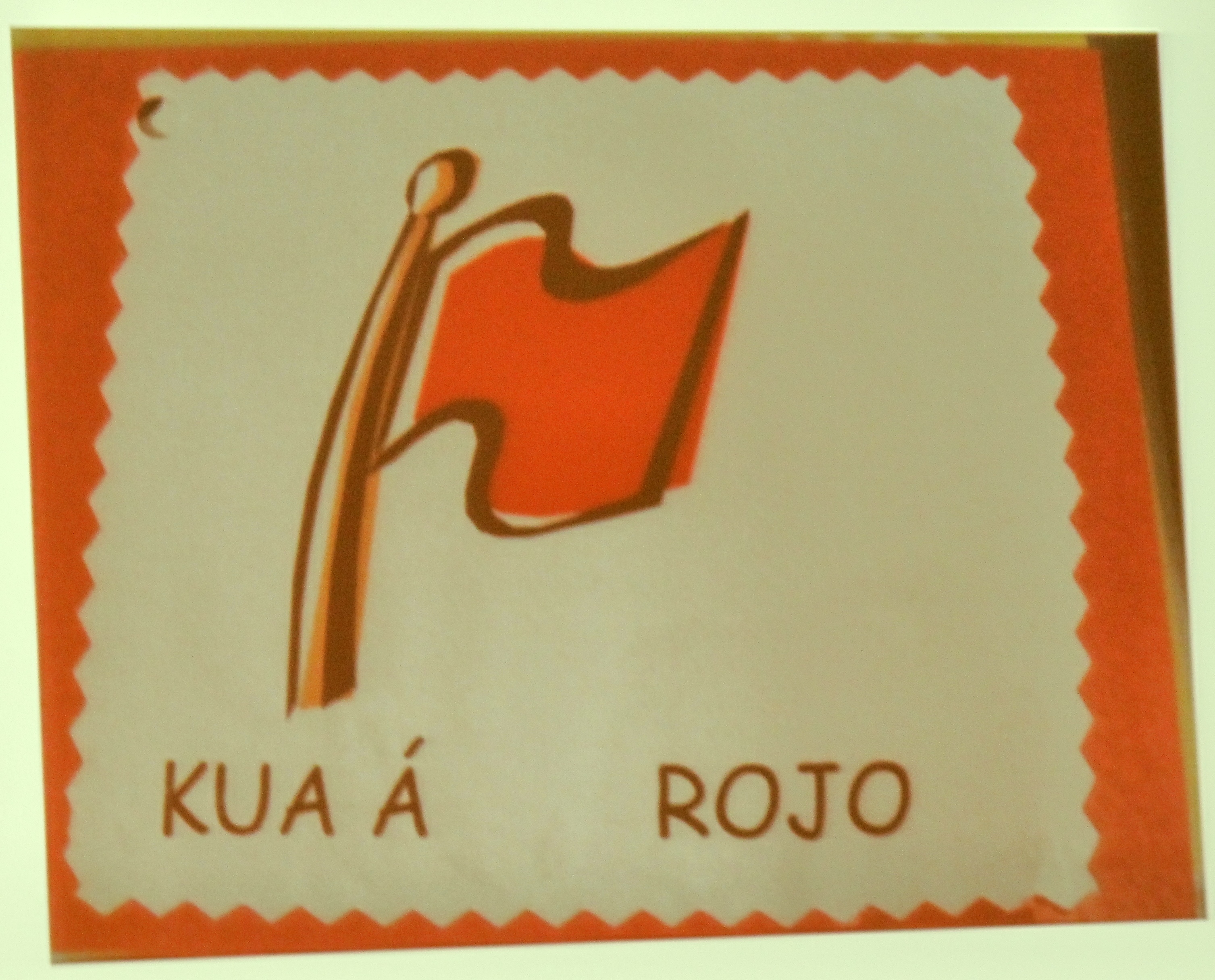
The panel was mostly about the challenges children who may only speak Mixtec face when trying to integrate into local U.S. school systems. First, they have to be taught Spanish, then English. Columbia University Head Start, which tailors its work to support the immigrant Latino community,  played a featured role in the presentation, showcasing language cards developed to teach the basics.  A woman on the panel who works as a teacher in the N.Y.C school system recalled several instances when school administrators opted to place Mixtec children in classes with learning impaired and retarded kids, because of the difficulty in communicating.

If, as I, you haven´t lived in or near N.Y.C in the past 4 to 5 years, you´ll notice a bit of Mexicanization going on. Maybe it´s just something I notice, from spending so much time in L.A.  The established generational communities that exist in Chicago, and especially in Houston, or Long Beach, just don´t exist in the East. But they´re starting to. This all feels like a new trajectory for the movement of people, and it can only increase. A shifting of migration patterns.

For more on Mexico´s indigenous languages, of which Mixtec is one of many, check out the ¨Catalogo de las lenguas indigenas nacionales¨.  (via)

Here are some photos from the event.  They include shots of a slide show the hosts presented on a screen. It teaches Mixtec children how to speak Spanish.

(click on any image to make large)


Mixteco, now a New Yorker.


Post-race in the Americas III.5

___

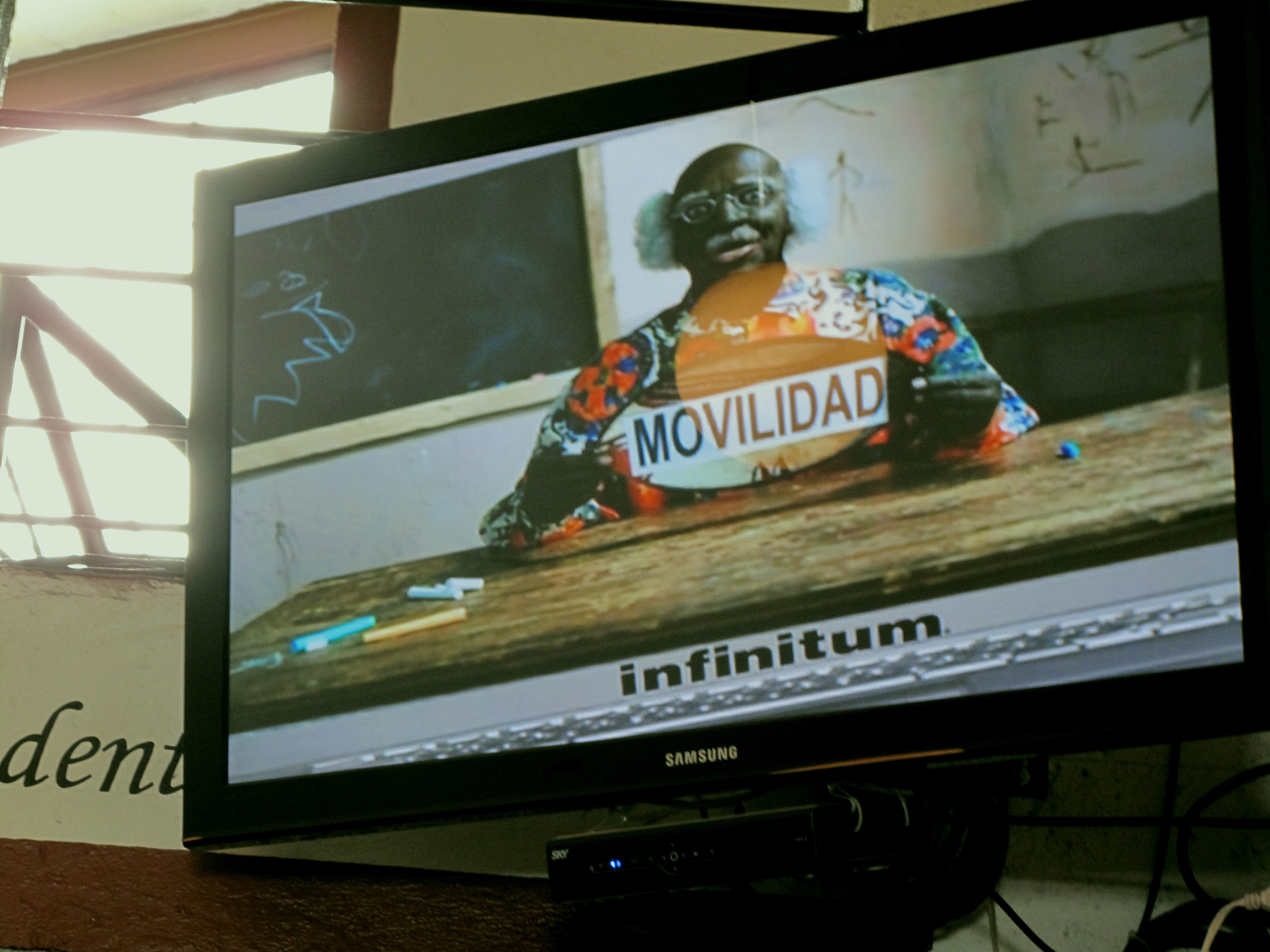
Blackface is dated. Bamboozled (2000) showed us that.  Images of blackness — from what I´ve seen in Mexico City media during the World Cup — are stuck on some tired stereotypes. As many people of African descent who speak Spanish, the makers of this ad could´ve done a lot better than this.

Above, a SKY broadcast of an Infinitum commercial pegged to the World Cup. In it, a man in blackface acts as an African school teacher, giving a language lesson about one of Carlos Slim´s Internet offerings. After the lesson, little African children come out and dance around the teacher´s desk; happy about their new broadband connection, or something like that.

Infinitum is the broadband arm of Slim´s multi-billion dollar Mexican communications empire.

Continue reading “Post-race in the Americas III.5”

World Cup player hating

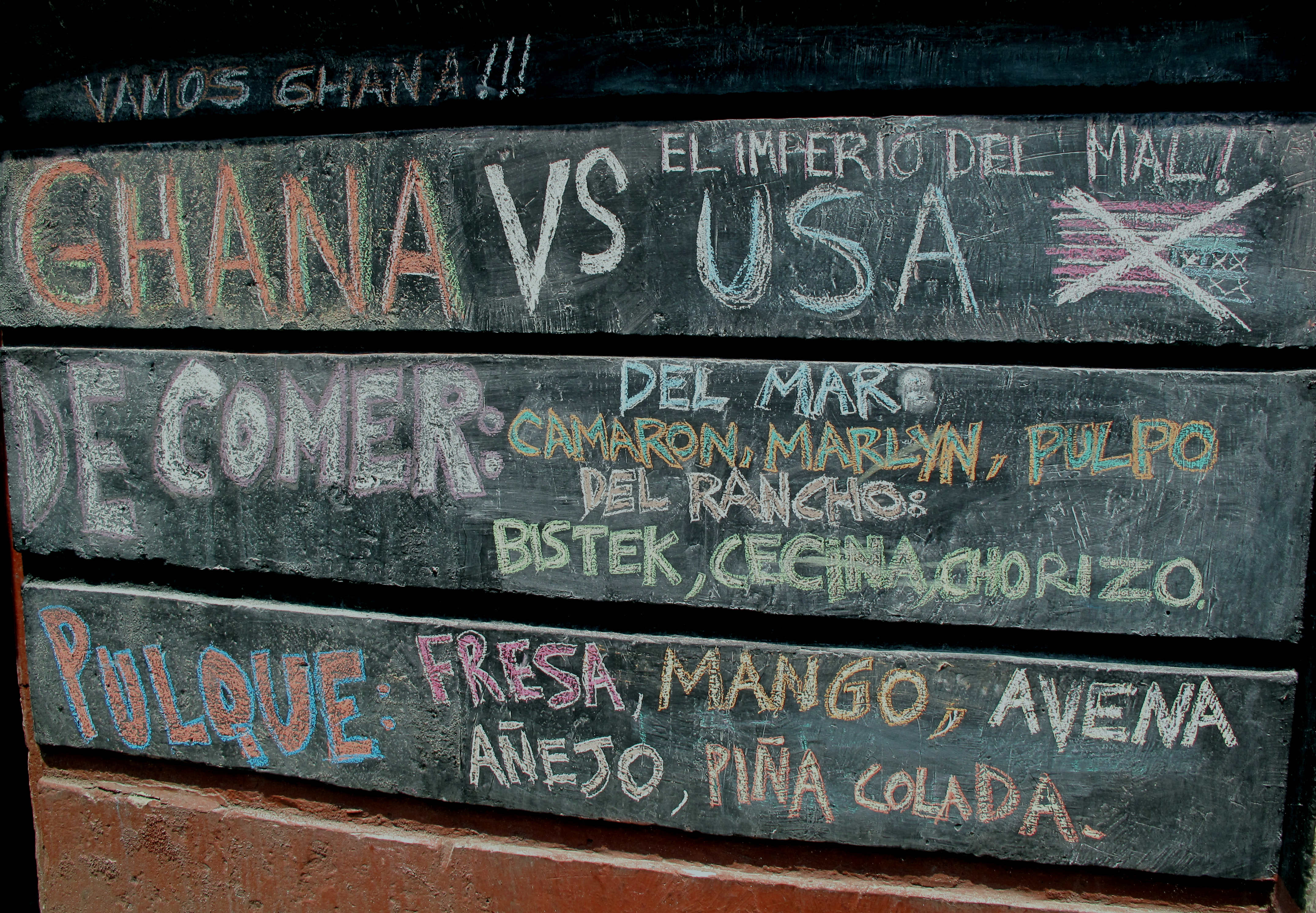
Let´s go Ghana!!!

GHANA Vs USA (The Evil Empire)

Just a reminder to all the adventurous gringos who come to D.F., thinking it´s all love.

It´s difficult to be a U.S. National Team fan during the World Cup. They just never seem as good as the rest of the world. If Pelé came from Pittsburgh, then it would be a different story. I don´t even know any of the players on the U.S. team, well….except for one guy, and that´s because I used to kick it with his sister in college. Still, I feel like it´s my obligation to root for them, because 1) It´s my home team, and 2) My Newark high school produced 3 Cup players, a couple of those guys I knew. They played during the days when the U.S. team was just beginning to surprise the world with their level of improved competition.

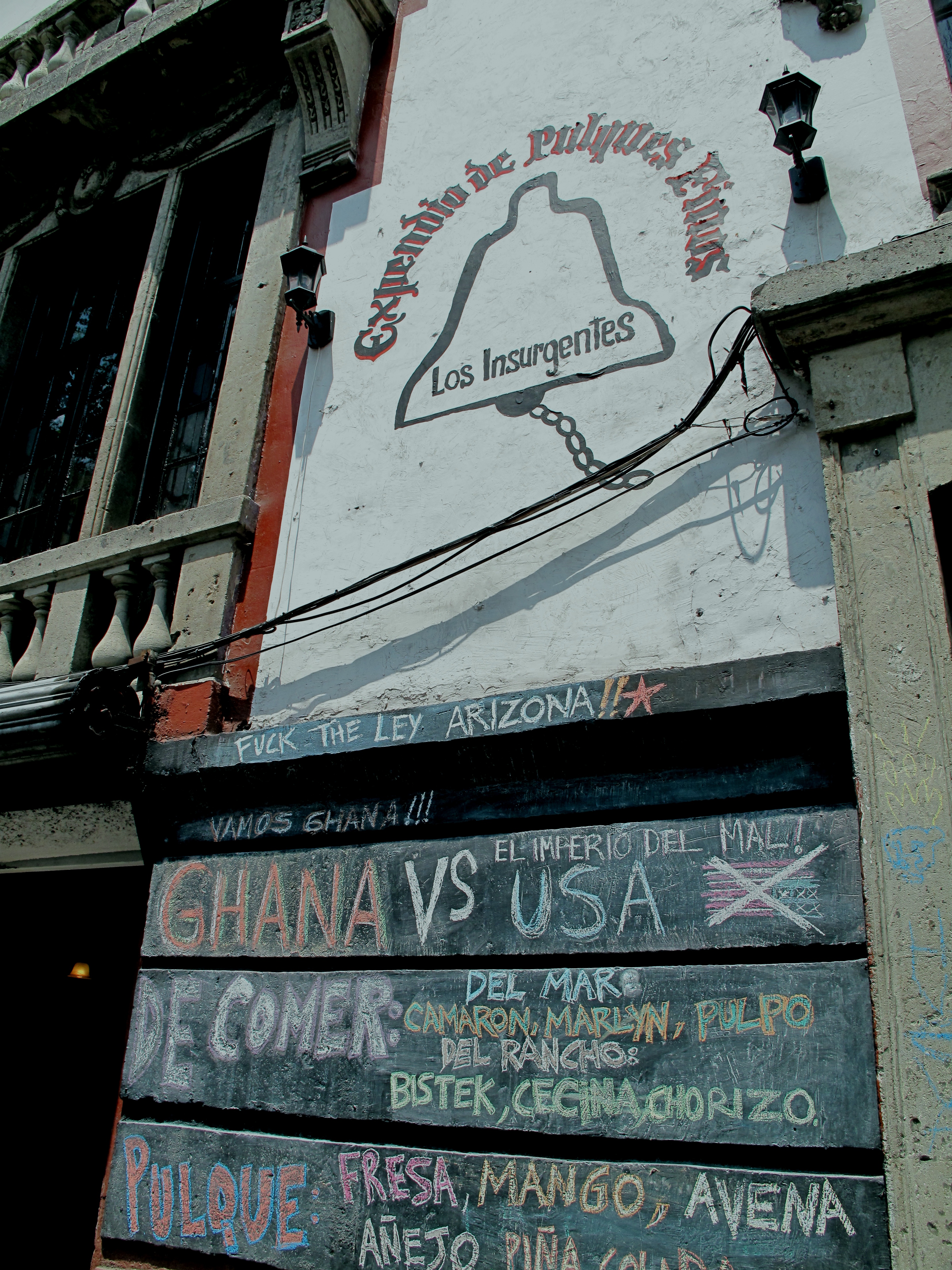
From the looks of the sign outside the Insurgentes pulqueria, where I watched the recent U.S. defeat to Ghana, above, most people still can´t stand us.  And you may know why.

—-

I can´t hold it against the pulqueria  Los Insurgentes, which is a new Roma drinking spot that opened in March. Note the upside-down flag. The place has a good sound system and quality jukebox ($5 pesos gives you 3 picks) . It serves a nice selection of pulque, beer, liquor and mezcal. Visit on a weekend night, because it´s becoming quite the venue for live shows.

Los Insurgentes, Insurgentes Sur 226, Colonia Roma, D.F. Map.

My 5 Greatest D.F. Rap Moments: #5 Bocafloja Show at Alicia (When the Lights Went Out)

bocafloja2009_07_18

I found the following piece in my blog drafts, dated July 20, 2009. Why am I waiting almost a year to publish it? Because this is a blog, and sometimes I have to let things marinate.  Besides, I knew I would do some kind of bloggery count down, so I needed some ¨new¨ material.

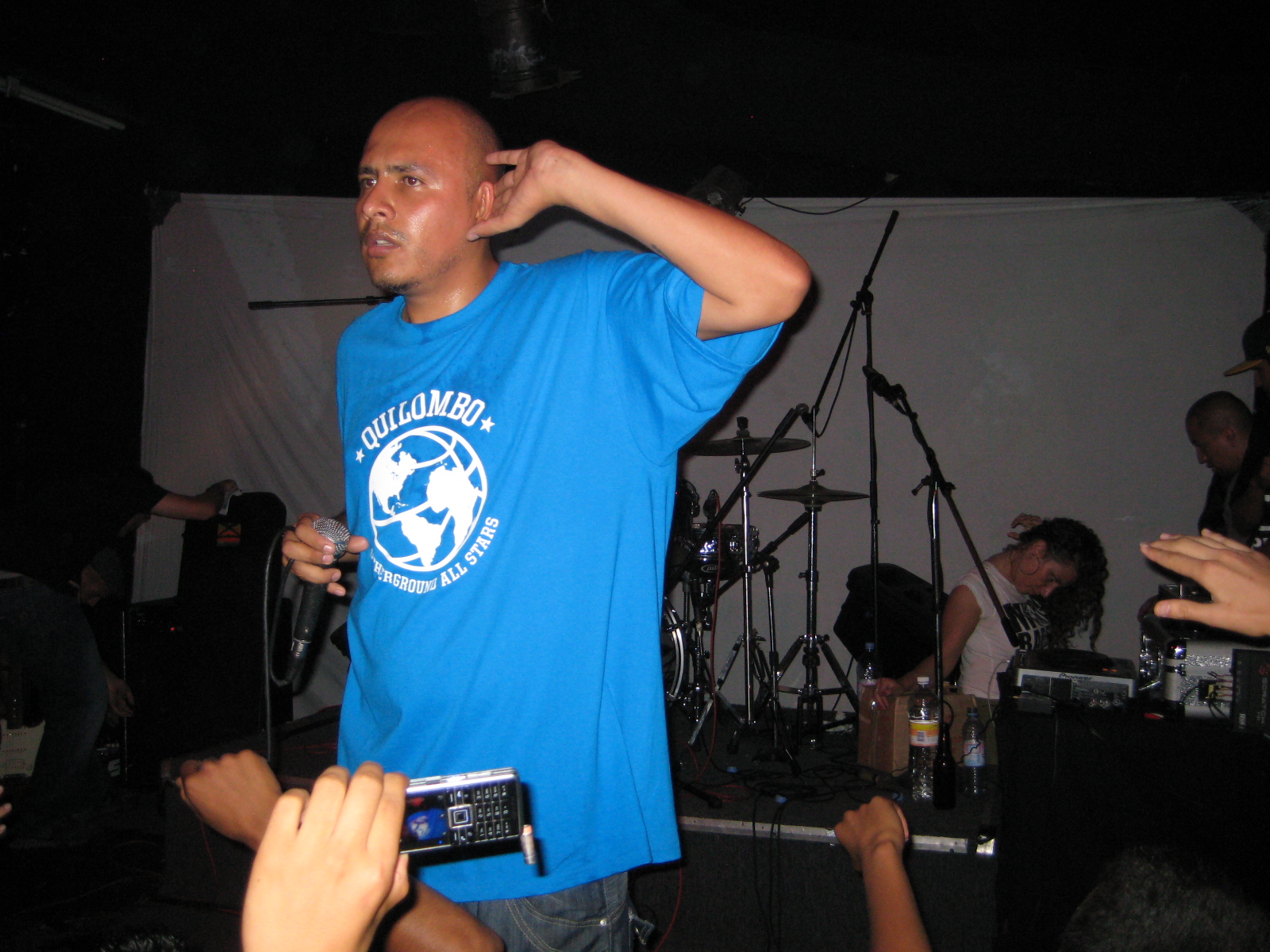
Being in the crowd at this concert, above, at the Foro Alicia in Colonia Roma, was one of my greatest Mexico City hip-hop moments. Not in my life have I been to a rap show where the lights and power went out (typical reaction to a violent thunder storm in this part of Mexico City), yet most of the crowd stuck around to hear rappers perform over a drum kit, or accapella. The image, if you were there would have been of a dark performing space and people busting out notebooks to participate in impromptu poetry recitals and top-of-the-dome freestyles. Those kids got to shine, in the dark, but kept things moving so the show could go on. The Foro Alicia was brimming with teenagers in that summer heat, while the D.F. rainy season was in full effect.

My good German geologist friends, Maria and Moritz, came out to the show. And they stood around just like everyone else when the lights went out. Check out some of their excellent photos of life in Querétaro, taking rocks very seriously for UNAM.

Continue reading “My 5 Greatest D.F. Rap Moments: #5 Bocafloja Show at Alicia (When the Lights Went Out)”

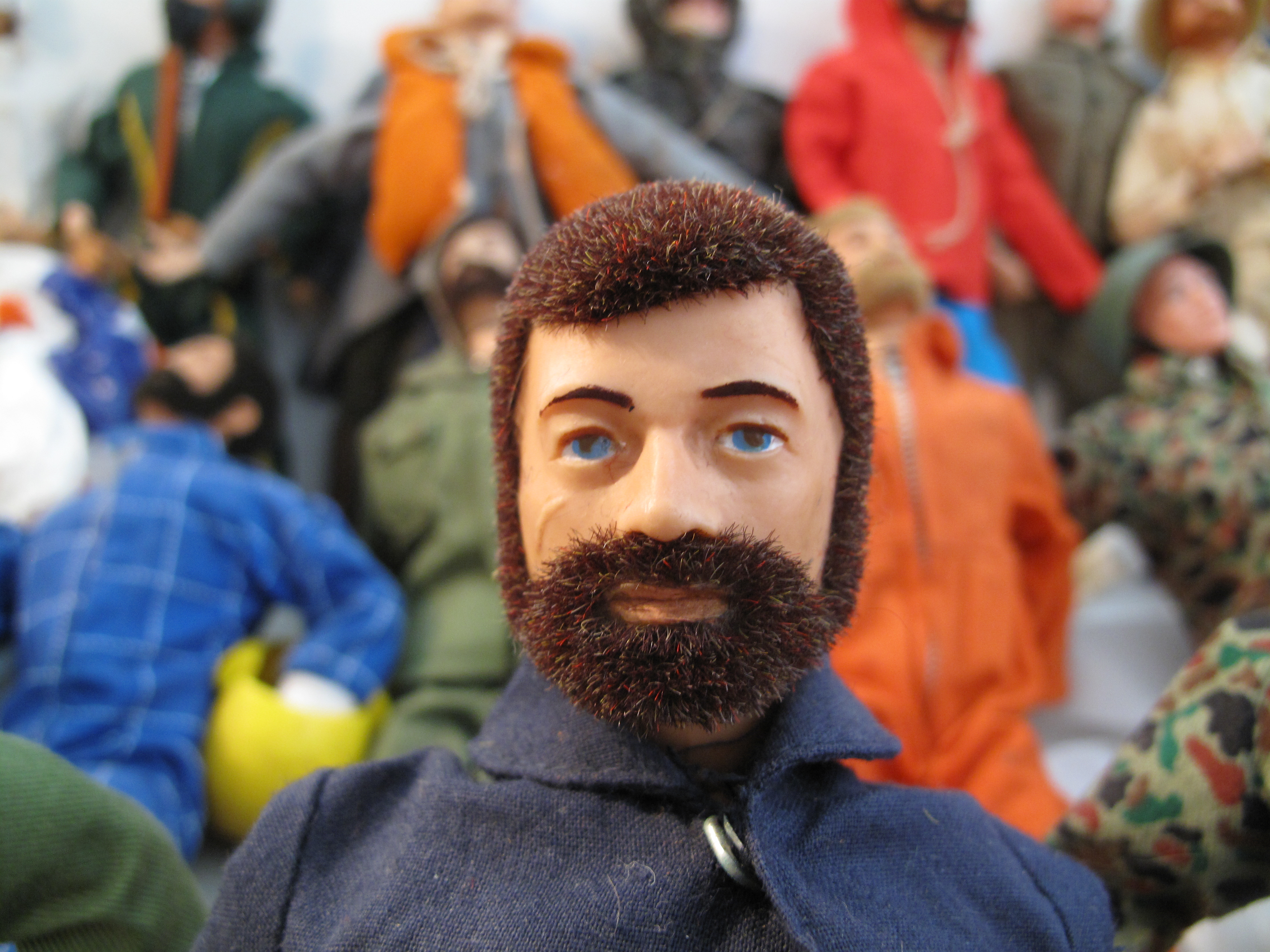
G.I. Joe beard and rap in Doctores

You may know someone with a beard like this.

If you look at the success of Kaws, plastic toys are cool, right ? But what´s the allure of movable fighting men? Basically, a doll, created in the mid-60s … for boys.

I´m not a toy collector, but I used to play with 80´s G.I. Joe toys. It´s wild to think that I used to get lost in play for hours with a bunch of little men with plastic weapons, unleashing tactical assaults with a hover craft, and borrowing from images of Arnold Schwarzenegger, or Bruce Lee type destruction.

Toys meant a lot to me back then. When I kept seeing flyers around my local coffee shops for  MUJAM, a self-styled toy museum featuring a visiting G.I. Joe exhibit, I knew I wanted to be there.

I noticed the flyer´s map put the museum in Doctores. It´s a colonia, or neighborhood, with a reputation for being one of the more dangerous D.F. hoods. Part of this legacy has to do with high rates of muggings and auto parts thefts. La Jornada breaks down the criminal roots of the colonia. Doctores also has its own public Malverde shrine.

The area is important as an active hospital zone, providing local  health care, government and judicial buildings are located there, and every Sunday you can find great deals on produce at the tianguis along Dr Erazo.  Lucha libre matches at Arena Mexico feel safe and under control, especially when crowds of foreigners spill out onto the streets at 11pm every Friday night. The museum Estación Indianilla should be on your list if museum hopping in Doctores.

||

||

It´s odd that there´s this sanctuary of toys in a hood that´s typically avoided by visitors. The collection belongs to Doctores resident Roberto Shimizu, who in this Vice magazine interview, seems like a hoarder.

Google Video pick of the week #014

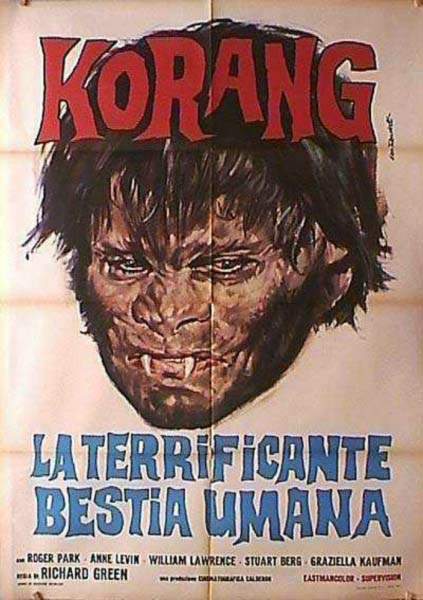
I wouldn´t mind doing a little in-depth research on late 1960s Mexican schlock, wrestling, horror cinema. Some of the films resulting from this crazy mix of genres are interesting.

The thing that really grabbed me about Night of the Bloody Apes, the 1972 English-dubbed version of the movie in the poster above, was the opening scene of female masked wrestling (or lucha libre femenil).  This isn´t any of that G.L.O.W stuff.

All Movie Guide sums up the plot with an accurate description of the antagonist:

…A hairy gorilla-man with a wrestler’s physique who loves nothing more than to rape women and rip men’s faces off. The only one who can put a stop to this horrific rampage is — naturally — a masked female wrestler.

One version of this film was called Horror y sexo.


Movie poster from lamansiondelterror.blogspot.com

FIFA Fan Fest in Zocalo

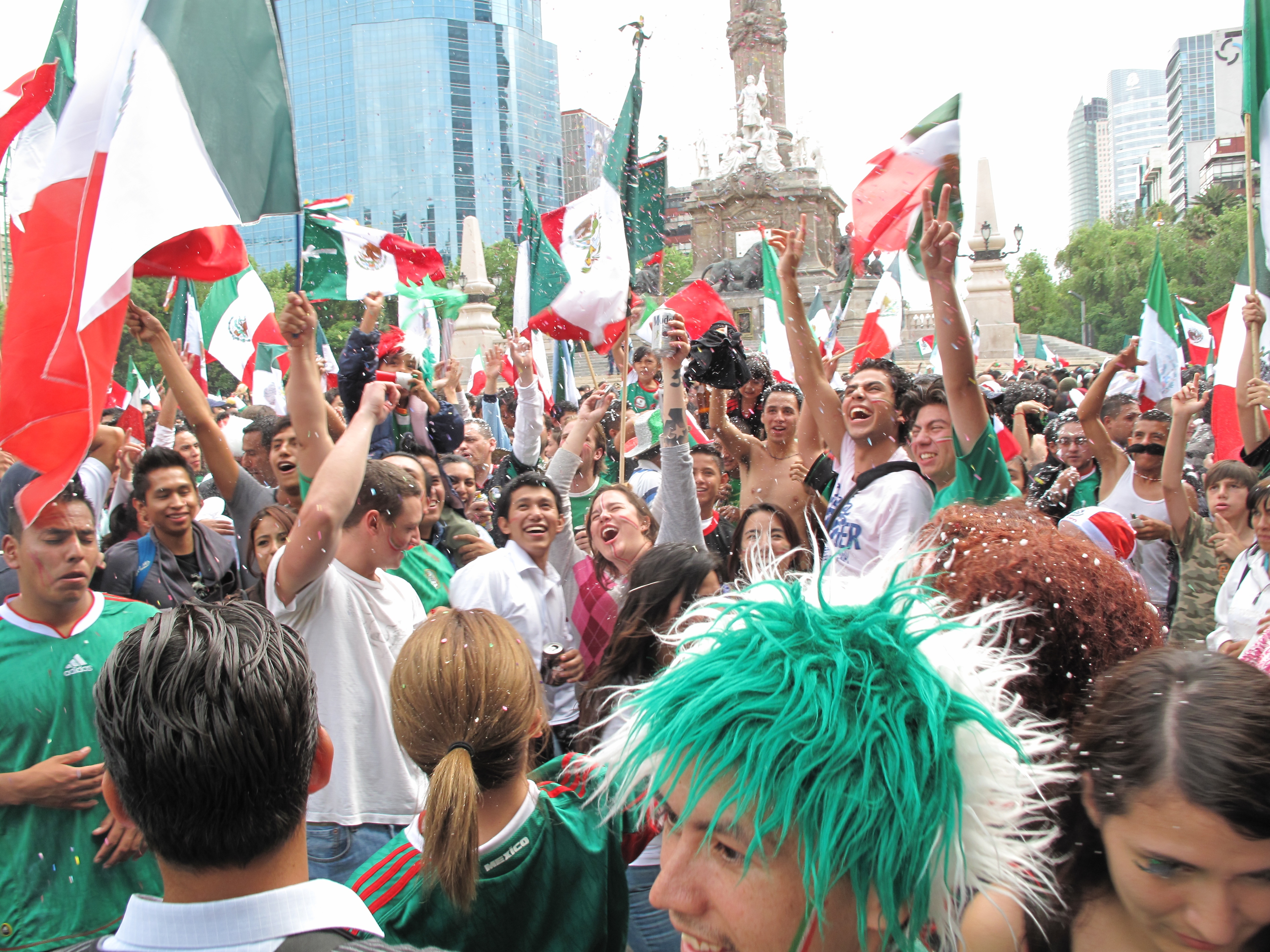
Walking to the angel after a big soccer match is a tradition in D.F.

I was a terrible  soccer player in junior high. Our team sucked, despite the Italians, Eastern Europeans and Haitians on our squad. Bad coaching I blame. Never scored a goal, maybe had one assist.  With that disgraceful past, I´ll tell you straight up: I´m not a huge  soccer fan.

But you can´t run around saying that kind of stuff during the World Cup. Kill joy.  And besides, I live in Latin America, so as they say, when in Rome…

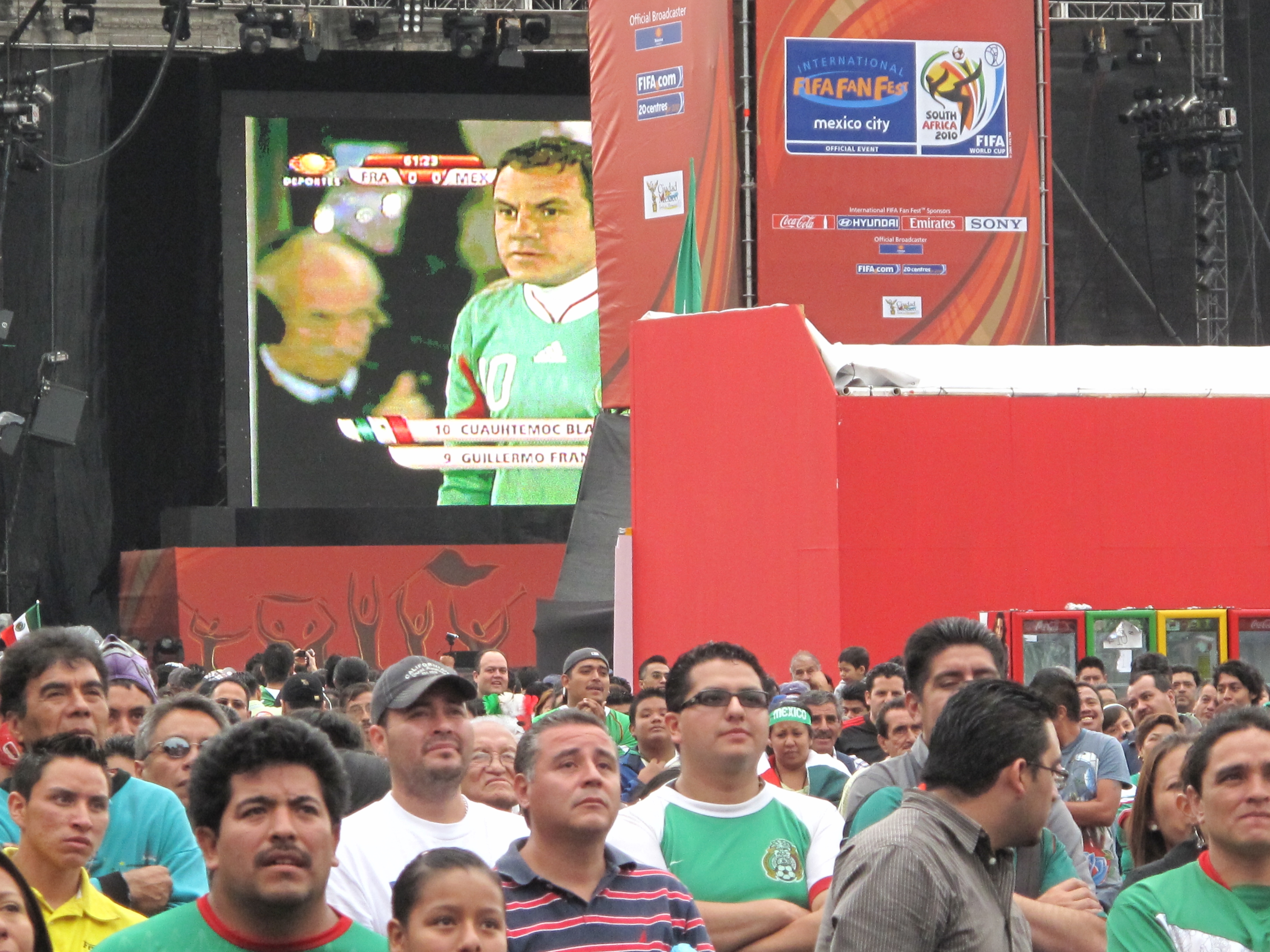
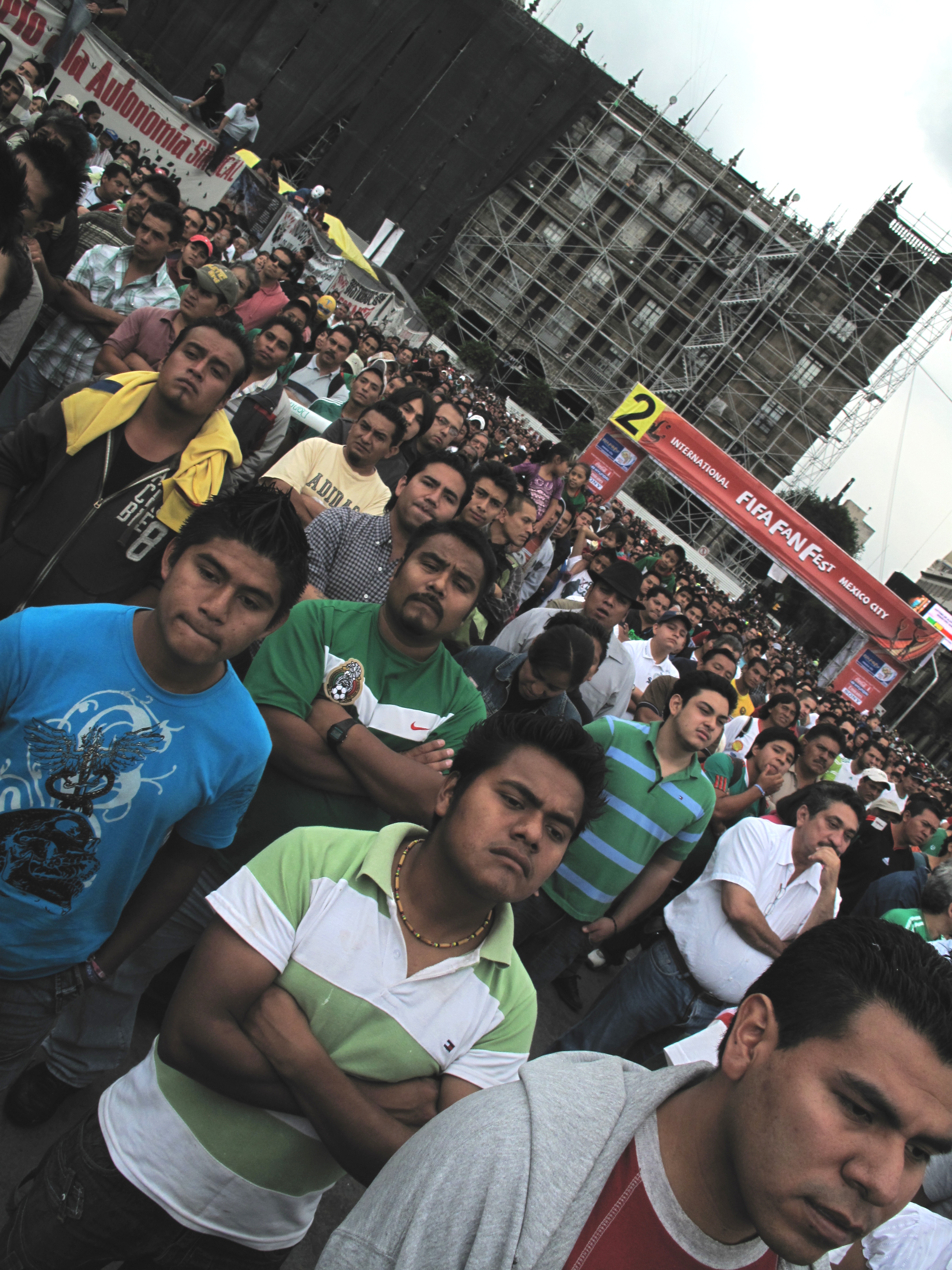
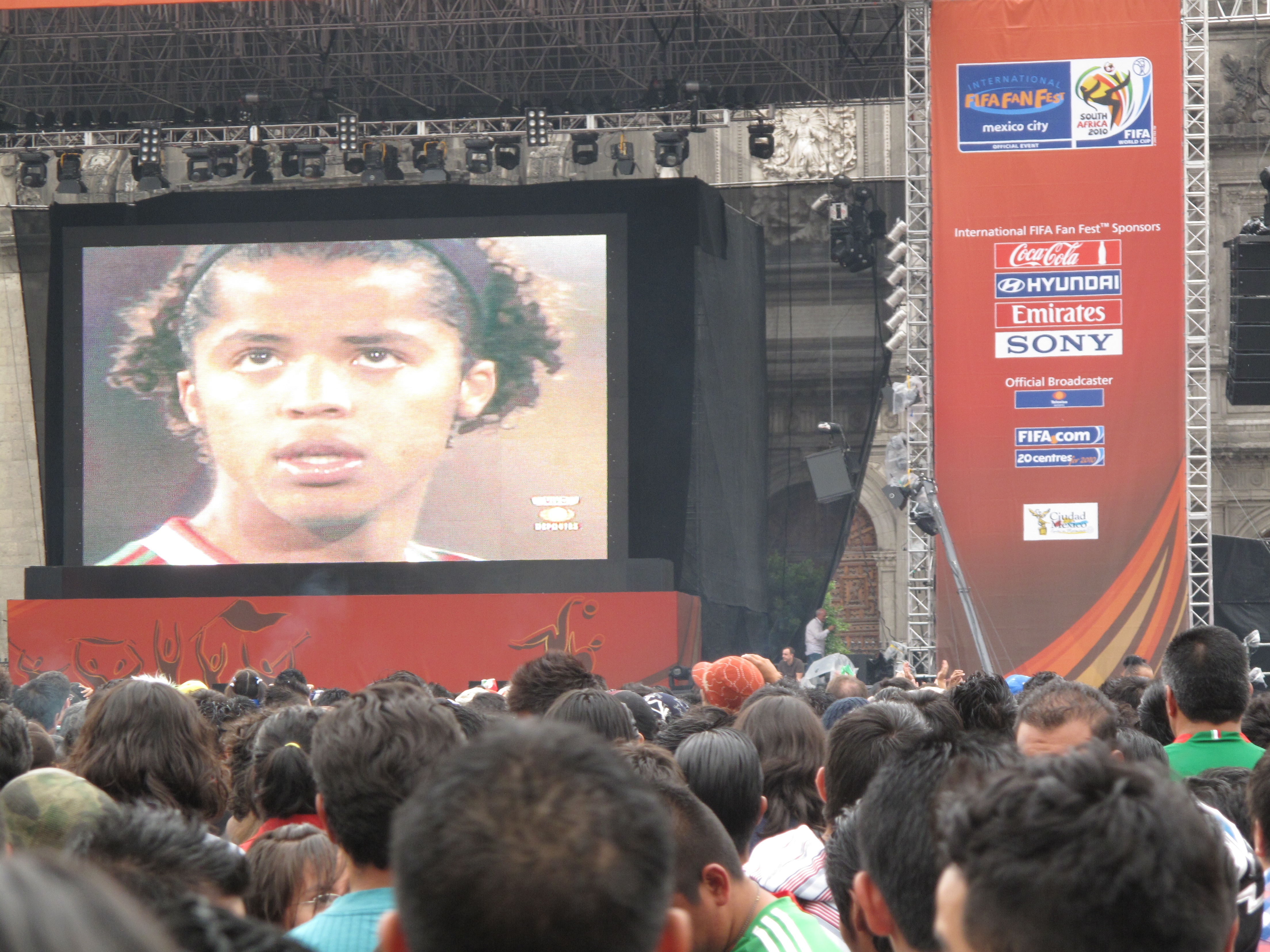
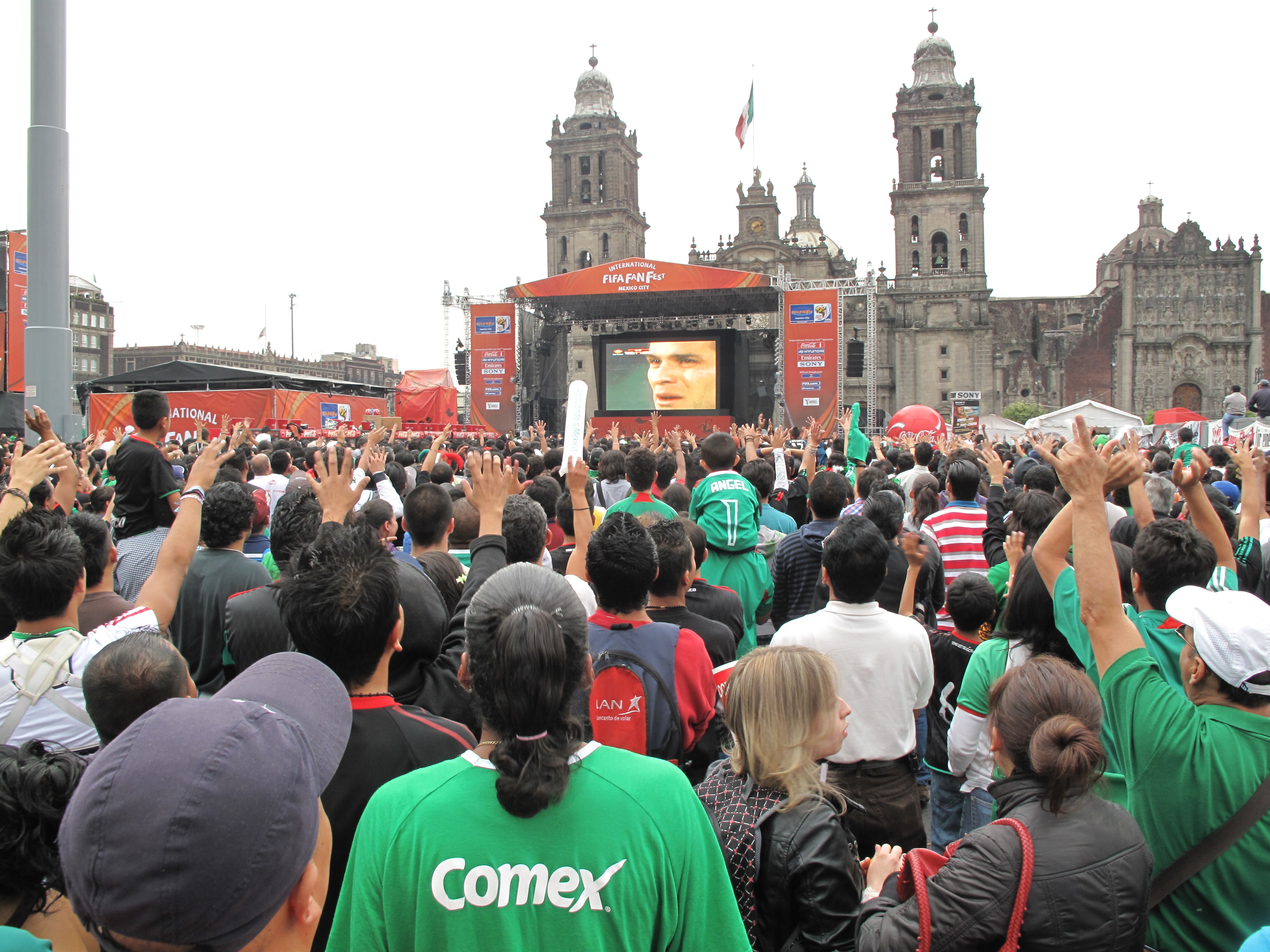
I went to the Zocalo to participate in the FIFA Fan Fest, an international program put on by the governing body of the World Cup and supported by a bevy of big-ticket sponsors.  That´s Cuauhtémoc Blanco on the screen.  He´s the elder statesman on the Mexican national team, and one of the heroes of the 2-0 win against France this day.  He´s from one of the roughest hoods in D.F. Maybe he´ll retire after this year.

Police presence was welcome. Not too much, not too little.

The disbanded electrical worker´s union used the gathering to continue getting their voices heard.

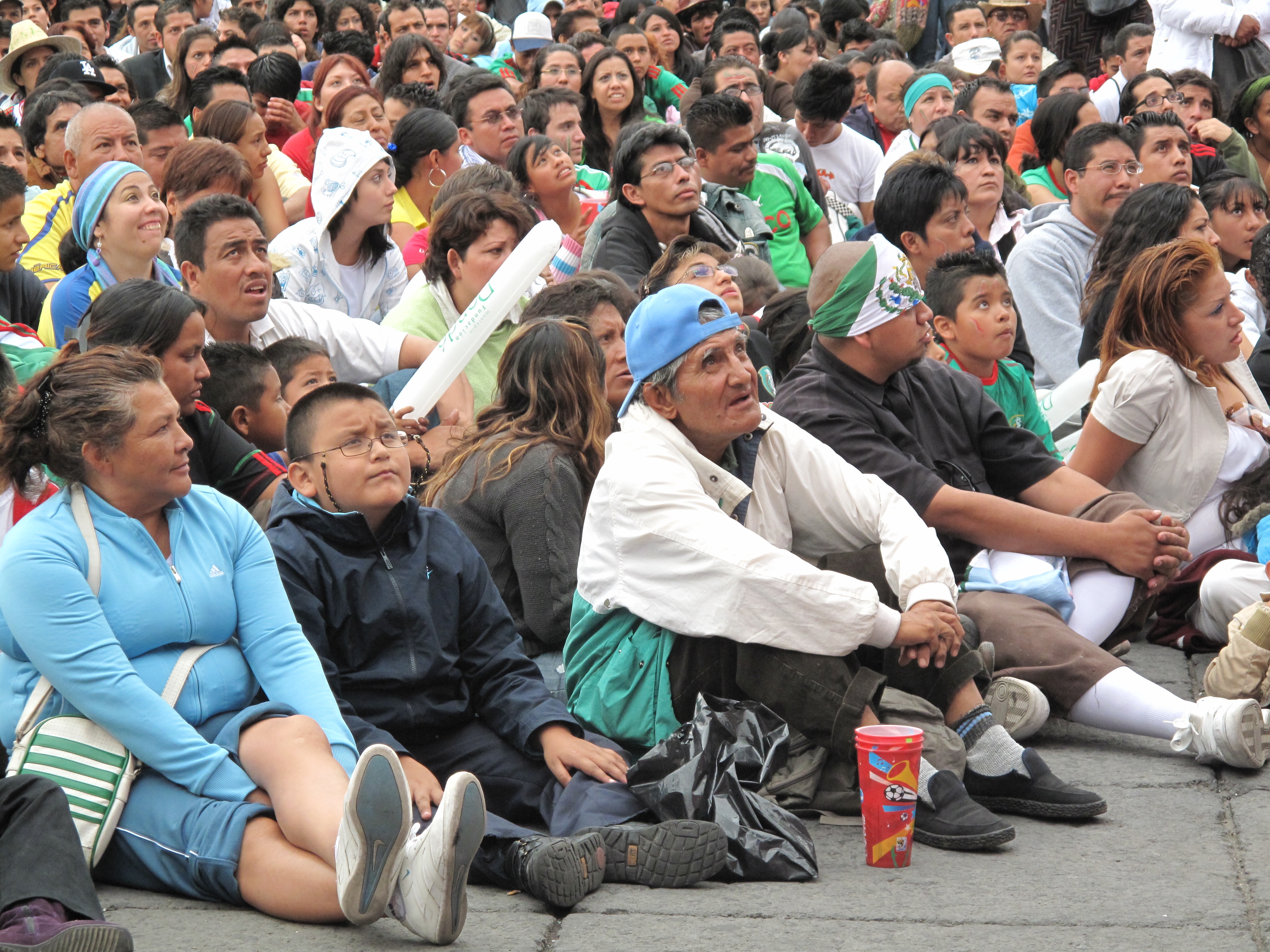
There were plenty of people taking a day off work or school to witness their national team play. With all the soccer fanaticism running around a place like Mexico, these sorts of mass displays really make a gringo wonder about nationalism and sports.

Of course every Mexican soccer fan has his own team hero. Maybe it´s  Giovani dos Santos?

Every country, I assume, has its own sporting rituals. The finger wave is a popular one here.

There´s a generational soccer fandom here that I don´t think exists in the United States. Maybe in the next few decades we´ll get there. The Zocalo was sectioned off into different viewing spaces, one for each jumbo screen.

Of course once Mexico started scoring in the second half, the celebrating began, and didn´t stop until sometime early this morning (around 3 a.m.?)

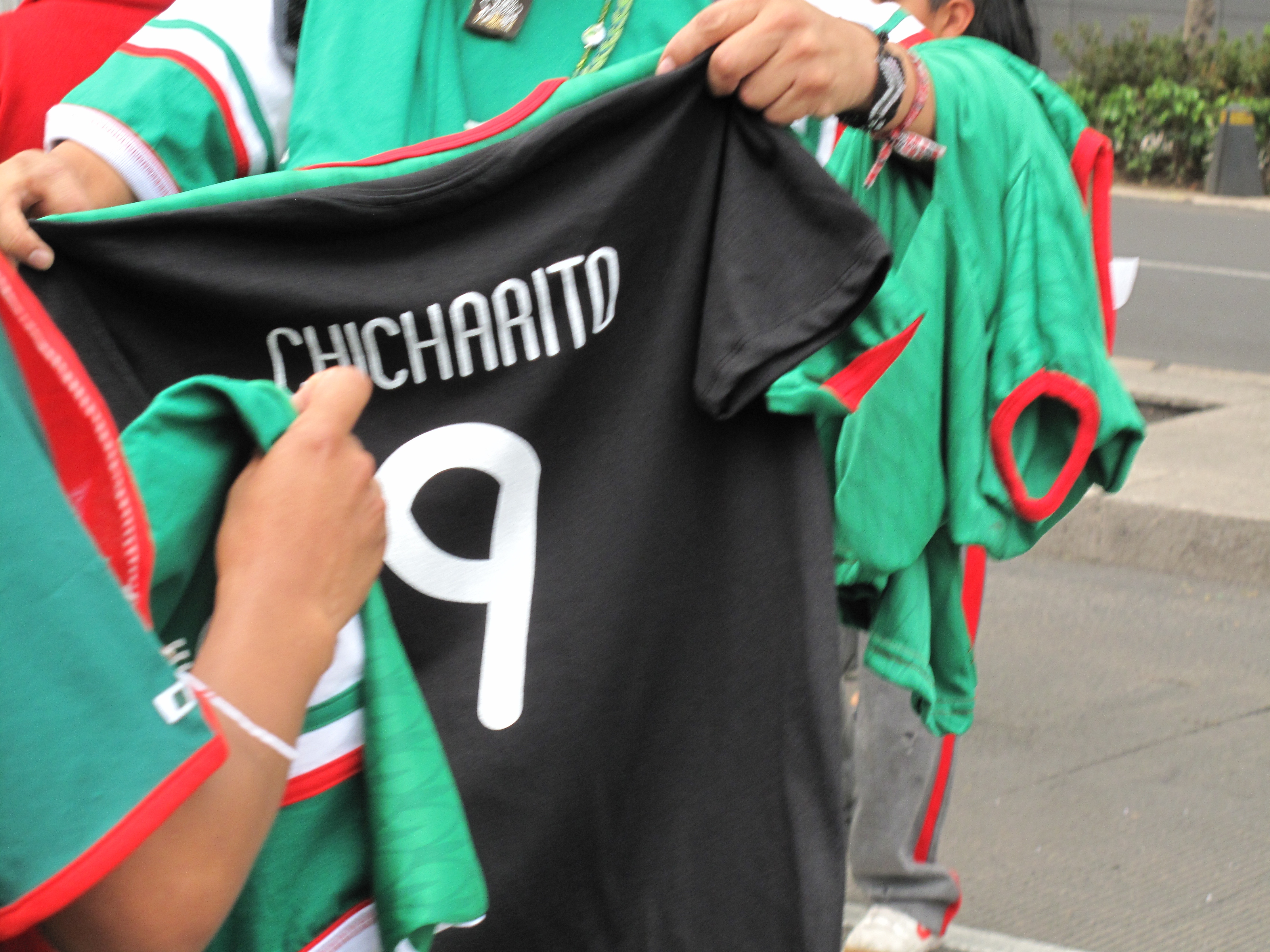
Now you know the nickname of the player who scored that important second-half  first goal against France in the 2010 World Cup.

Once that second goal was scored, sealing the fate of the French, the day turned into a national celebration for Mexico. Dudes were risking their lives waving a flag at soccer fans down on Paseo de la Reforma. Thousands were making their way to the Glorieta del Ángel, the city´s official symbol, which I´m pretty sure was a gift from France. You hear mostly five syllables in a crowd like this (and all day long): Vi-va Me-hi-co

Internationally Screwed & Chopped

—-

In about a month, certain parts of Houston and the world will remember the birthday of DJ Screw, and November marks the 10th Anniversary of his death.

Austin Surreal properly informed me recently about the latest DJ Screw spin-off, “Screwed Anthologies“. Think Nortec, but improvising over plodding bass lines and drooping renditions of popular rap songs. Go here, for an audio sample. The Houston-based musicians should be stopping in Ithica and Boston this week

In Mexico, there´s a reminder of Screw. It´s not in the super slow-paced way you handle bank transactions here, or the syrupy slow wait in the line at Wal-Mart Mexico. I´m talking about the wound down accordian-jamming sound of  cumbias rebajadas. Rebajada,  means to bring it down, as in the pitch.

The realm of digital cumbia isn´t complete without a walk in this slow dimension. There´s a certain gangster quality to listening to cumbia this way. Not unlike those guys in Texas who have Screw blasting out of their cars.

I´m interested in getting a good story together on the subject.  People on both sides of the border are discovering the music again, and again. But no clear answers as to what connects Screw to rebajadas, or if there´s a definitive creator for pitched down cumbia.

According to  Dr. Auratheft:

Story tells …. early low-key/ghetto cumbia gigs in Mexico would use really shitty/dysfunctional turntables, not only slowing down but also fluctuating. This launched a genre somehow and kids in Mexico are just all about rebajadas”.

Or are the origins of cumbia rebajadas as Toy Selectah told me in Austin a few months ago? He suggests that boomboxes at Monterrey block parties would slowly run out of batteries, leaving people to bailar to slowed cumbia.

Whatever´s true, most of what´s written about Screw dates chopped and screwed music to the early 90s, and rebajadas mixtapes are said to have been available since the 80s, coming directly from Monterrey DJs and making their way throughout Mexico y el mundo.  Let´s see if we can get this all on the record. Until then check out this rebajadas mix by Dr. Auratheft:

Rebajadas_El_Maldito Acordeón

And this 1998  chopped and screwed mixtape by Houston rap landmark Swishahouse:

Barre

Look here for normal cumbia.

Track listing for both mixes after the jump.

Continue reading “Internationally Screwed & Chopped”