Miami Heat

It was a  hot August in N.Y.C. Like 90 degrees, with an extra 5 degrees of thick humidity slathered on top. I’m trying to get my professional on and not wear shorts to class. But damn it’s hard. I’m not a stinky guy, but I sweat a lot. Multiple showers help.

I’m taking a break from the regular news cycle and hyper-local coverage that’s grinding me down at the moment. I feel like the luckiest cat, really.

Working with so many sound and picture files, and transferring them to professor laptops for class critiques has made me break out old thumb-drives I haven’t used before. On one (literally), I found notes from a piece I did for the Source magazine back in 2007.

It was a transcript from a conversation I had with Luther Campbell. The story was on cursing in hip-hop. Remember that non-controversy? At this point in my celebrity interviewing career, I was still finding myself. I wonder why I didn’t write out the entire transcript. Well, from what I remember, Uncle Luke was so erudite that I just let him monologue until I had enough. I think I also got to talk to Too Short for this piece. I hope I find that transcript somewhere, too.

For anyone who hasn’t heard of Luther Campbell or listened to a 2 Live Crew album (check the video above), let this mini- Q&A be your guide:

Luke: The way  I look at it is any time there’s a presidential election is when everybody use hiphop as a scapegoat. And the first thing that they do is they look at the whole lyrics situation, you know? They attack hiphop for lyrics and all that. It’s like this: because hiphop don’t have no bonafied leaders in it, and all the leaders is selling the soul of hiphop, you know what I’m saying, and they just selling it for profit. We needed to be attacked.

Until we get  a true bonafied leader in the hiphop business, and at that point we can then move on in the right direction. When these kinds of issues come up [cursing in lyrics] we will have somebody representing us truly, and not for the dollar.  People like Russell Simmons and all them, they don’t truly represent the artform, in my opinion. They sell the soul of the artform. And so they’ll go get those usual suspects and they’ll have these conversations with them about lyrics, and then if it’s for some kind of profit behind it…. You know, up on Oprah; to sell hiphop down the river, where we all as hiphop artists said we boycotting Oprah. They up on Oprah, cross the line, fucking boycott.

We need a leader.  It’s everybody’s fault, it ain’t these big individuals who run around here selling this shit, keeping it awake. It’s everybody involved, because the magazines put certain muthafuckas on the cover, the TV put certain motherfuckers on the cover.

These magazine’s, these TVs, they keep glorifying these niggas who’s selling the business down the river, and they put them on the cover and then they put them on the TV, and nobody knows that they full of shit.

Q: You’ve been dealing with this shit since day one, has any of this changed at all. Hiphop lyrics?

LUKE: It’s the same thing. I ain’t no different than 20 years ago, it’s the same thing. It ain’t no different than 20 years ago. Hiphop lyrics saying the same thing. I mean, when was the last election? Think about this here, you know who they was talking about in the last election? They was talking about Eminem.

If you really think about this shit, every presidential election hiphop comes under fire.

And before Eminem, it was me.
Keep going four years, now we at another fucking presidential election.  It’s always a fucking pattern.

And you know who profits? They gonna get Russell, they gonna get Benjamin Chavis, they gonna get Puffy; and they take Puffy down to the Republican convention ,and they parade him and the other niggas up around there. Nobody says this,  I’m looking at this man on TV at the Republican Convention.
Come on man, let’s be realistic, I ain’t read that shit nowhere. I had to look and  see that shit on “Hannity and Combs.”  If I ain’t sit here looking at that shit on CNN, CNBC and FOX, I don’t know what’s going on.

What do you think about the lyrics in hiphop? You started this whole shit. Yeah, I know what I started, but then I know at the same time it’s deeper than this. We ain’t nothing but pawns in the game, man they use us. They gonna crucify us, then you know what they gonna do? Cut a deal with Russell and Puffy, then they gonna go out and say..

The bottom line is this: The PDs, you know, they put the music on. That’s who put the music on. The people at the TV stations, that’s  who put the videos on.  Ask me a question, I don’t think “I’m a Freak” should be played on the radio.  Because when I made the record “Throw the Dick”, which legally can be played on the radio, I made the song “Throw the D,” because I don’t want my daughter, I don’t want nobody’s daughter, riding around in the back seat of the car singing shit they don’t know what they singing about, when it’s a bad word. I don’t want that. Really it’s the PD and the video people.

If the song got a word in it, go back into the studio and flip that shit around. That’s how you clean it up.

I ain’t here to be saying you can’t say freak. You can say freak, you can say pussy, you can say dick, you can say ho, you can say nigga, you can say all them words that you want to say. You can put them on records, but that shit not be played on the radio. Don’t put no ho the radio, don’t put bitch on there. PD don’t put that on the radio.

It’s not the artists fault, it’s not the record company’s fault, it’s not my fault, it’s the fault of the PD because he regulates what gets played on the radio.

I created the Parental Advisory sticker. That sticker is on there for a reason. I never intended, nor does any artists every intend for kids to get this music.

The artist ain’t the problem because all we doing is talking what the hell is going on in society, there’s some freaks there’s some hoes, there’s some bitches and some niggas in society. So don’t bother with us talking about changing no words.
Hello (México) Brooklyn, Part II: Bushwick

Man, this audio class is a real kick in the head! I think I cried today in class. My piece was way poor. Not the flat-out sad cry, but the cry that sounds like you’re laughing. You see it in the movies all the time. An exact example escapes me at the moment.

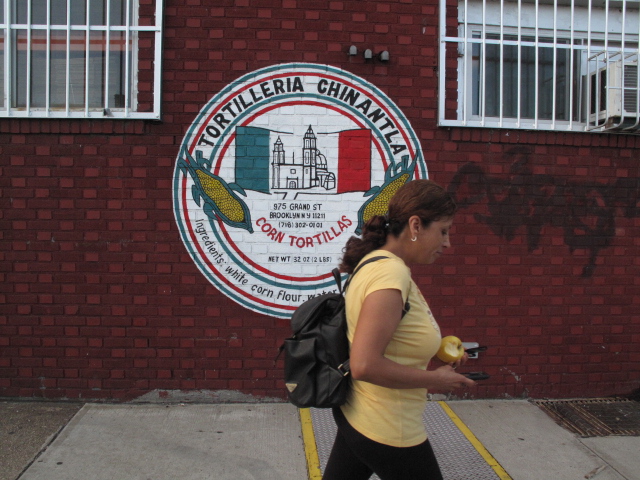
Above, Bushwick. It was the second choice for my beat. Probably because it has the 2nd highest concentration of Mexicans in BK, according to Daniel D. Arreola’s 2004 “Hispanic Spaces, Latino Places: Community and Cultural Diversity in Contemporary America.”

I stepped foot in Bushwick (the first time in my life), and walked around the projects, something I probably couldn’t do without losing my shoes and shorts several years ago. I chatted up a guy working a bodega across the street. My investigation tactic of the day was “Hay una taqueria cerca?” As dumb as that sounds, it led me to pockets of Mexicans throughout Brooklyn. But, for some reason, this time, the mans directions didn’t yield any secret Mexicanized boulevard. Instead, my journey led me into an industrialized hipster zone. Fittingly, I bumped into Pharoahe Monch, on his way to a micro brewery.

Didn’t surprise me.

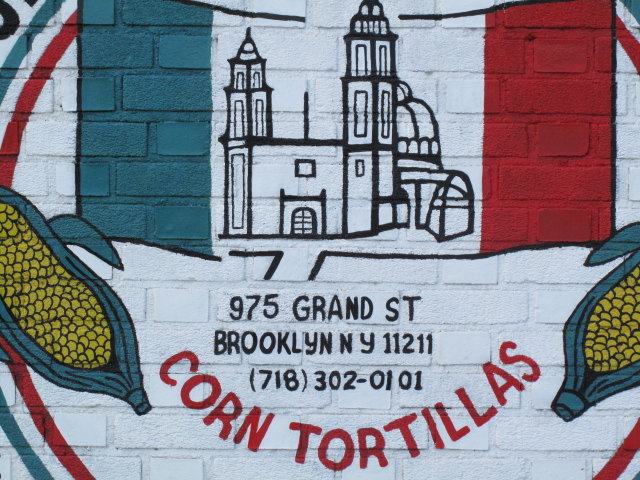
I kept walking and finally got to what I thought was the purest example of Mexican culture you could ever find anywhere in the world. Not just a taco stand, but ….

a tortilleria.

Harlem World, Circa 2010

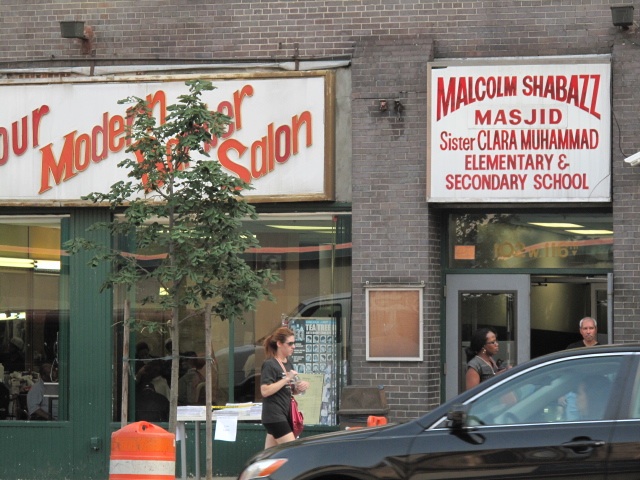
I live in the birthplace of the Harlem Renaissance, now. As much as I love L.A., nothing compares to N.Y., especially in the hot, sticky summertime. I live on a block that 10 years ago was something like a battle zone. Funny how gentrification makes things all safe for Ivy leaguers. This is the new Harlem World.

That mix of old and new. The crumbling and the rebuilt, all exist in N.Y.C.

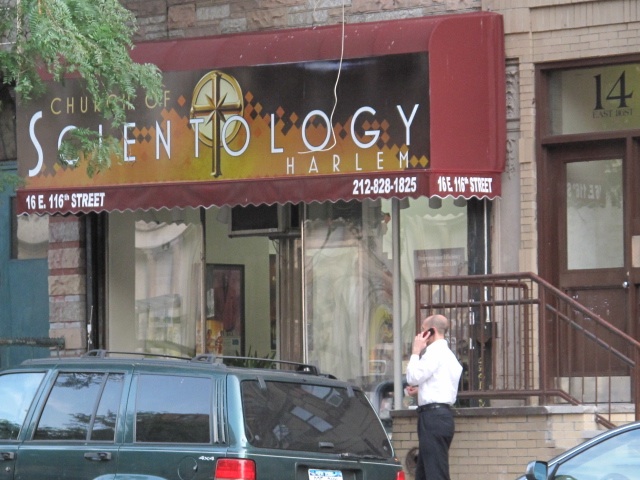
Of course there are some things that I think Harlem could do without. Scientology. Really? Saw enough of these kinds of outposts in Mexico City.

There’s a (brand new) special Target shuttle bus that stops along Lexington, and carries New Yorkers from all over the city to the East Harlem store. Here, happy shoppers get off the shuttle and hop on the subway back home. Reminds me. I need some housewares.

Colombianización

|||

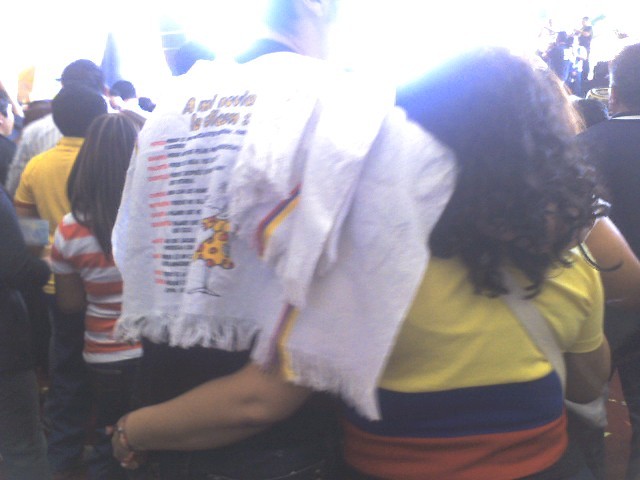
Colombian pride  was shouted-out loud this Sunday (July 18), when hundreds (more likely, thousands) gathered for the yearly Colombian independence celebration, or fiesta patria, in Mexico City. It´s a Bicentennial for us, too.

I had gone once before when a reporter friend invited me. A bullfighting ring or something (manure smell in tact) plays host to the festivities, which includes a huge food bazaar (slammin cheese-filled arepas with chorizo), and all the salsa, cumbia and vallenato performances you can fit into one day (Colombians get their dance on). Apologies for the cell phone images. Documentation is documentation.

Talking Mixtecan in N.Y.

||

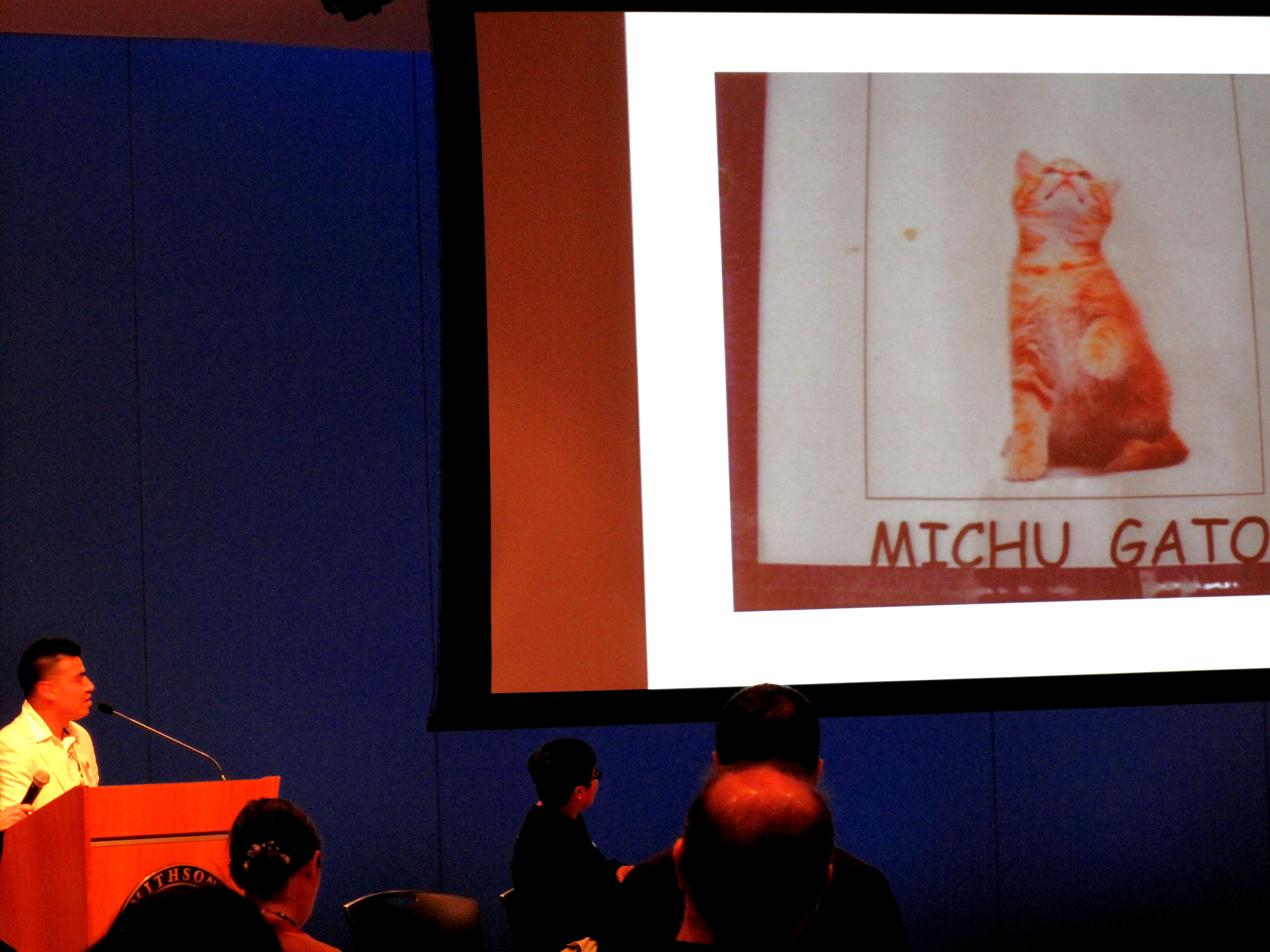
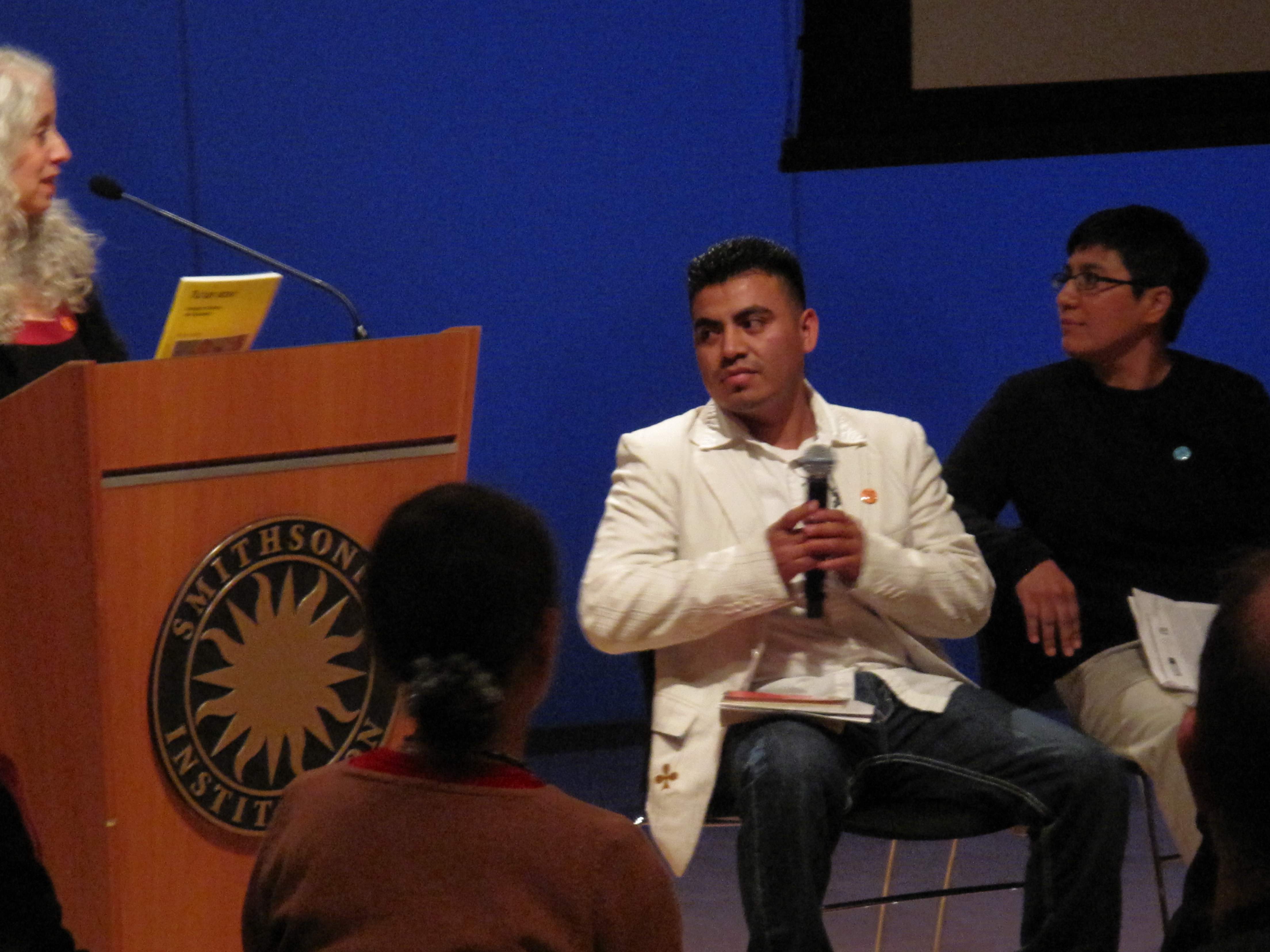
When I went to N.Y. this spring, I attended a presentation on Mixtecs in Nueva York.  It was held at the National Museum of the American Indian, and organized by a local  Mexican culture group, called Mano a Mano. The panel featured a guy, probably Oaxacan, who had to deal with the challenges of his otherness, and his language, when he arrived on the East Coast.

Yet another story about the ¨Mixtec transnational social experience¨.

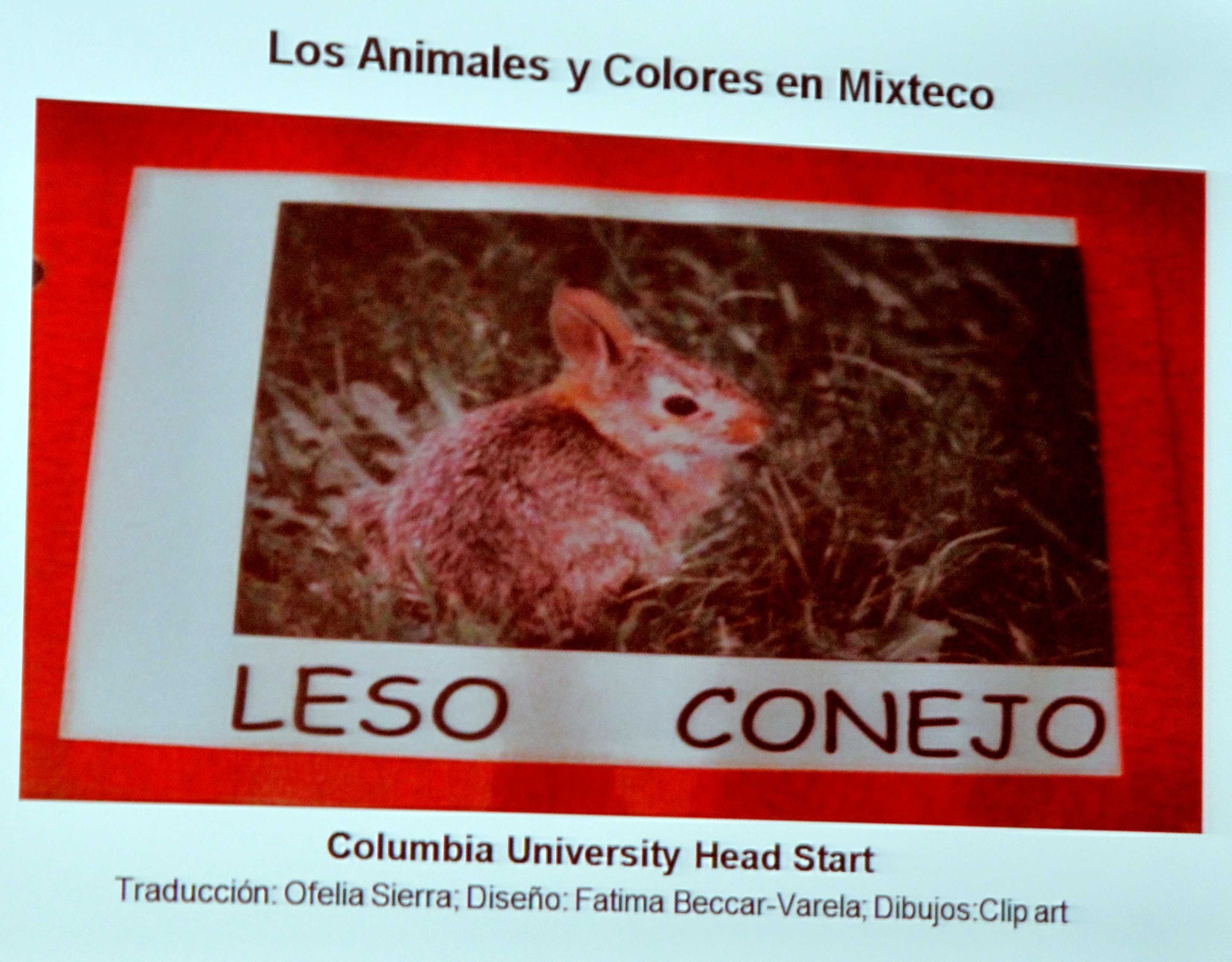
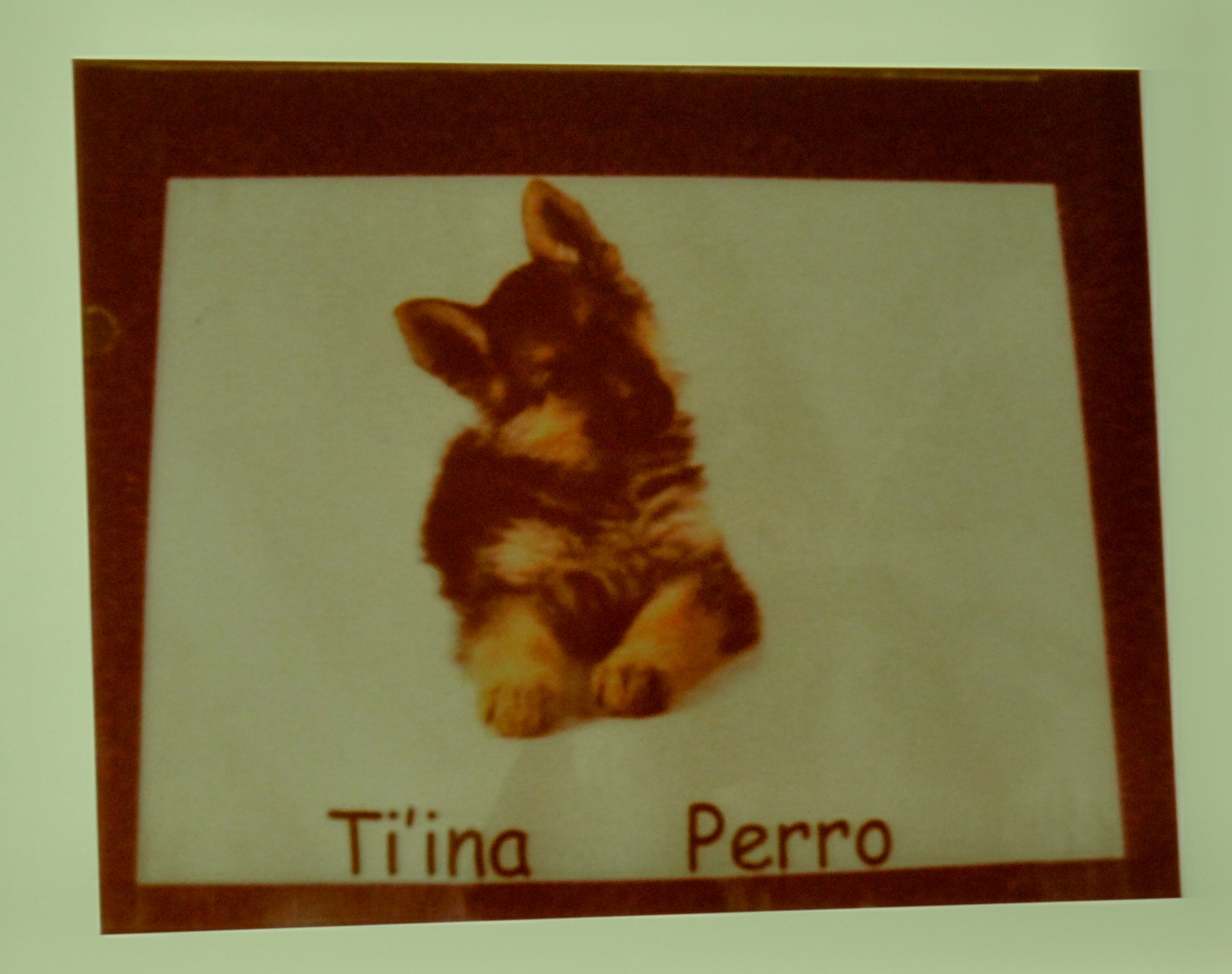
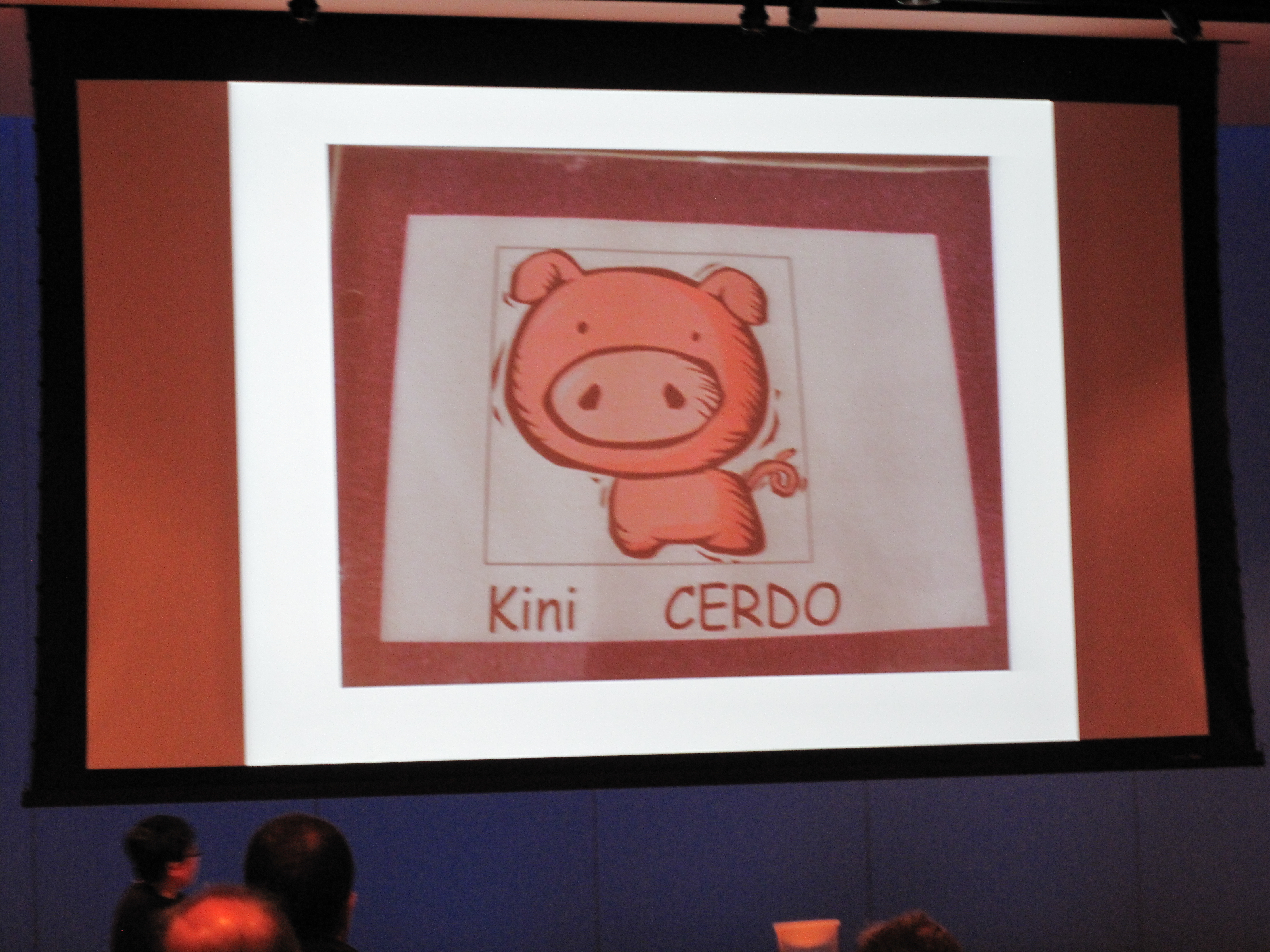
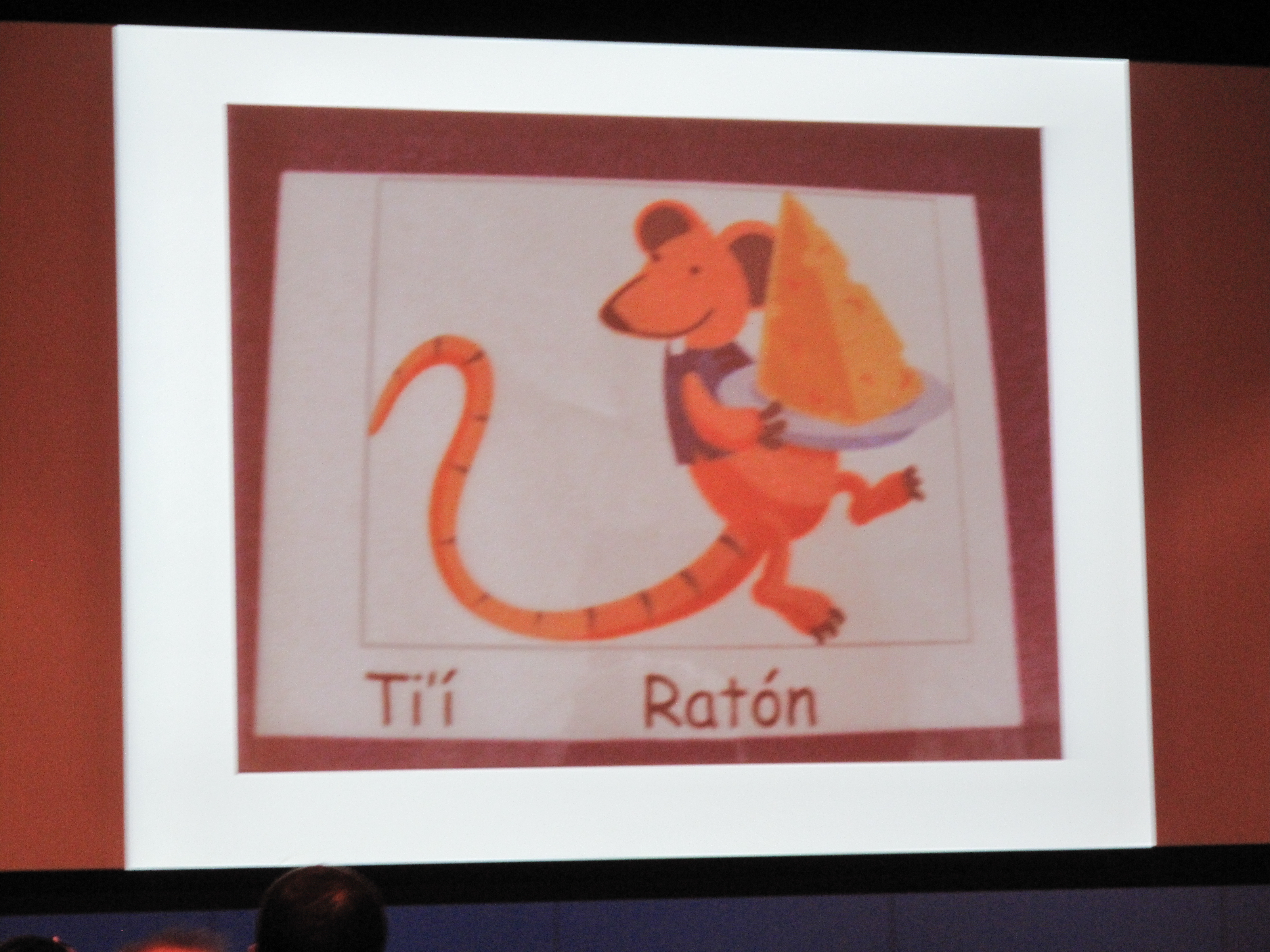
The panel was mostly about the challenges children who may only speak Mixtec face when trying to integrate into local U.S. school systems. First, they have to be taught Spanish, then English. Columbia University Head Start, which tailors its work to support the immigrant Latino community,  played a featured role in the presentation, showcasing language cards developed to teach the basics.  A woman on the panel who works as a teacher in the N.Y.C school system recalled several instances when school administrators opted to place Mixtec children in classes with learning impaired and retarded kids, because of the difficulty in communicating.

If, as I, you haven´t lived in or near N.Y.C in the past 4 to 5 years, you´ll notice a bit of Mexicanization going on. Maybe it´s just something I notice, from spending so much time in L.A.  The established generational communities that exist in Chicago, and especially in Houston, or Long Beach, just don´t exist in the East. But they´re starting to. This all feels like a new trajectory for the movement of people, and it can only increase. A shifting of migration patterns.

For more on Mexico´s indigenous languages, of which Mixtec is one of many, check out the ¨Catalogo de las lenguas indigenas nacionales¨.  (via)

Here are some photos from the event.  They include shots of a slide show the hosts presented on a screen. It teaches Mixtec children how to speak Spanish.

(click on any image to make large)


Mixteco, now a New Yorker.


Google Video pick of the week #015

||||

Depending on where you grew up —- say, from the middle school years through high school years — you probably didn´t know a lot of Black kids who were into punk rock.  Not to get all Bill Cosby on you or anything, but when you grow up in certain neighborhoods, falling outside the ¨norm¨ just isn´t tolerated. There´s a whole sect of brothers who think Hendrix is some really exotic stuff, not socially accepted on some corners.

Whatever, homie.

It´s all connected to the same vibe, the same origins and the same angst and rebellion, según yo. That´s why I like this week´s pick, James Spooner´s documentary, Afro-Punk (2003 ). While it´s a bit obvious in places,  I felt it suffered from poor pacing. There were a lot of voices involved in the doc, and some great punk rock artists. It´s most astute on issues related to being Black in a punk environment, tackling some important topics such as the question of Blackness. How can Black kids in Southern California, New York City, Cleveland and Detroit, who are into punk somehow be considered ¨less Black¨? Like in my N.J. town, why do they get beat up and picked on, as they walk from school to their homes, wearing a Bad Brains, Slayer or Metallica shirt, in predominantly Black neighborhoods? Not sure if that still counts with today´s version of those same bullying kids, wearing colorful skinny jeans. Kind of balances things out.

Via the Google Video link:

Afro-Punk features performances by Bad Brains, Tamar Kali, Cipher, and Ten Grand. It also contains exclusive interviews by members of Fishbone, 24-7 Spyz, Dead Kennedys, Candiria, Orange 9mm and TV on the Radio, among others.

Spooner continues his involvement in the Afro-Punk space with a festival in Brooklyn. Check out coverage from last week´s Afro-Punk Festival in the NYT, SPIN, and NY Press.

For a more lighthearted take on what it means to be a punk outsider, watch SLC Punk! (1998).

Post-race in the Americas III.5

___

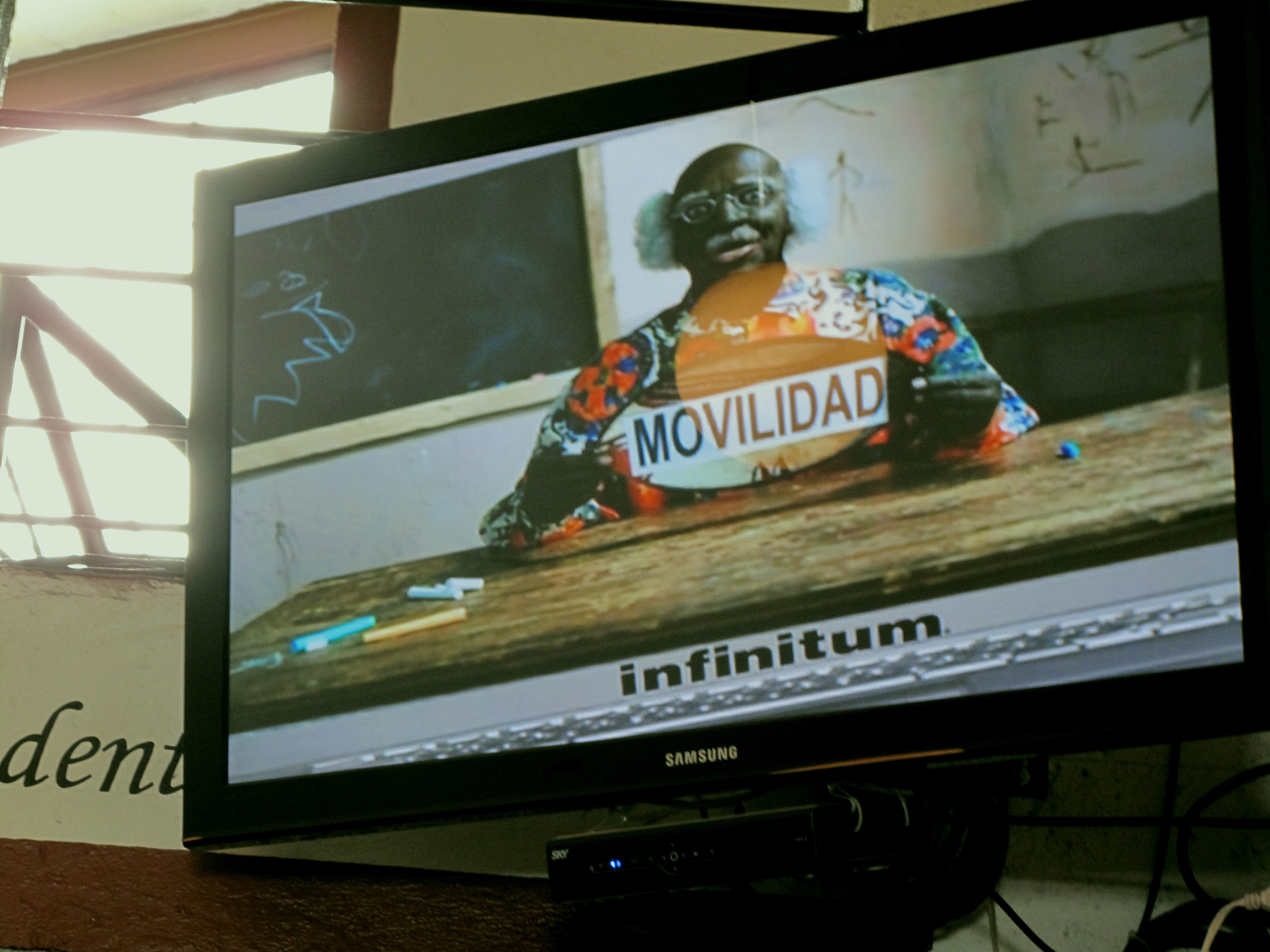
Blackface is dated. Bamboozled (2000) showed us that.  Images of blackness — from what I´ve seen in Mexico City media during the World Cup — are stuck on some tired stereotypes. As many people of African descent who speak Spanish, the makers of this ad could´ve done a lot better than this.

Above, a SKY broadcast of an Infinitum commercial pegged to the World Cup. In it, a man in blackface acts as an African school teacher, giving a language lesson about one of Carlos Slim´s Internet offerings. After the lesson, little African children come out and dance around the teacher´s desk; happy about their new broadband connection, or something like that.

Infinitum is the broadband arm of Slim´s multi-billion dollar Mexican communications empire.

Continue reading “Post-race in the Americas III.5”

G.I. Joe beard and rap in Doctores

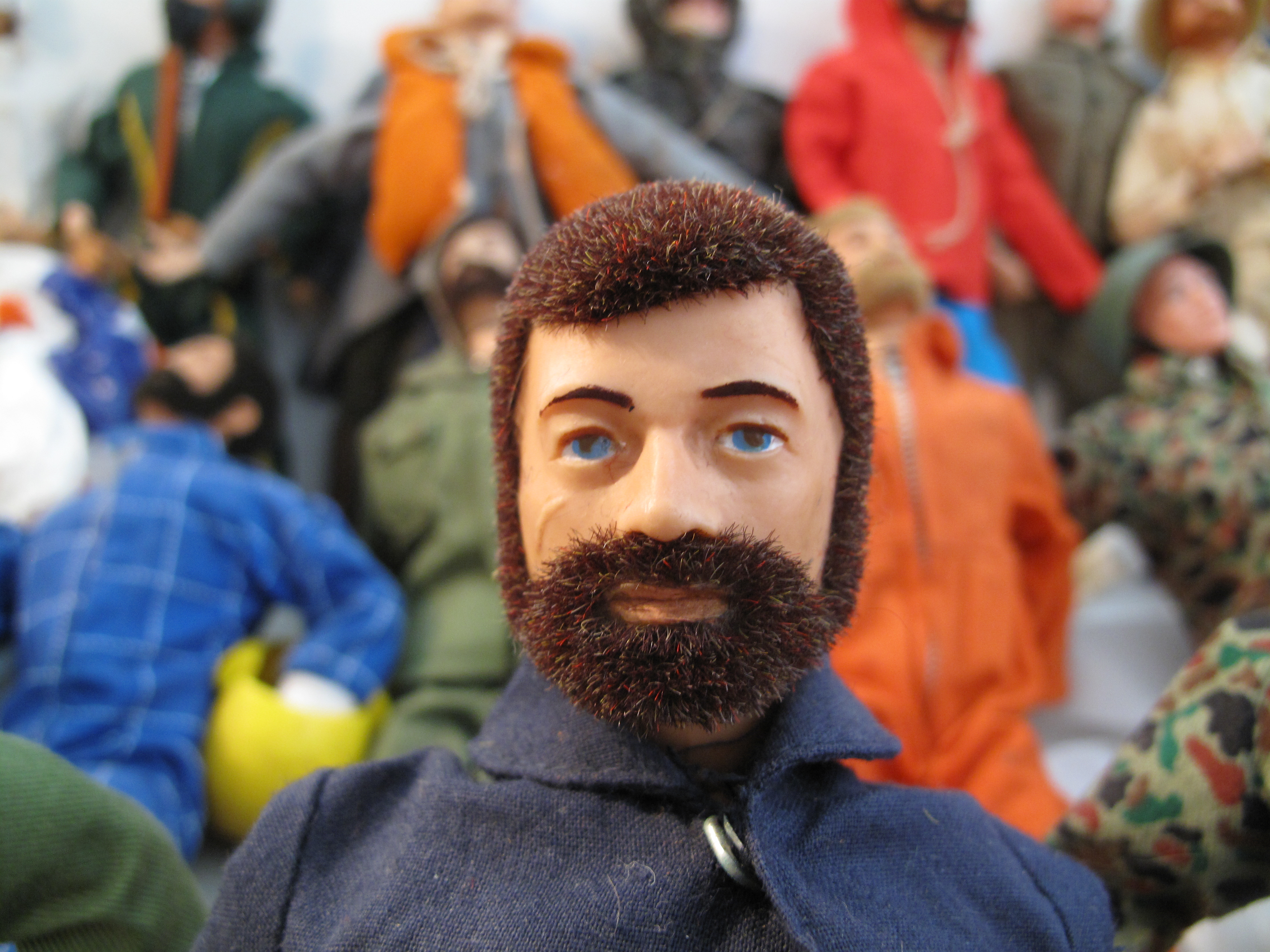
You may know someone with a beard like this.

If you look at the success of Kaws, plastic toys are cool, right ? But what´s the allure of movable fighting men? Basically, a doll, created in the mid-60s … for boys.

I´m not a toy collector, but I used to play with 80´s G.I. Joe toys. It´s wild to think that I used to get lost in play for hours with a bunch of little men with plastic weapons, unleashing tactical assaults with a hover craft, and borrowing from images of Arnold Schwarzenegger, or Bruce Lee type destruction.

Toys meant a lot to me back then. When I kept seeing flyers around my local coffee shops for  MUJAM, a self-styled toy museum featuring a visiting G.I. Joe exhibit, I knew I wanted to be there.

I noticed the flyer´s map put the museum in Doctores. It´s a colonia, or neighborhood, with a reputation for being one of the more dangerous D.F. hoods. Part of this legacy has to do with high rates of muggings and auto parts thefts. La Jornada breaks down the criminal roots of the colonia. Doctores also has its own public Malverde shrine.

The area is important as an active hospital zone, providing local  health care, government and judicial buildings are located there, and every Sunday you can find great deals on produce at the tianguis along Dr Erazo.  Lucha libre matches at Arena Mexico feel safe and under control, especially when crowds of foreigners spill out onto the streets at 11pm every Friday night. The museum Estación Indianilla should be on your list if museum hopping in Doctores.

||

||

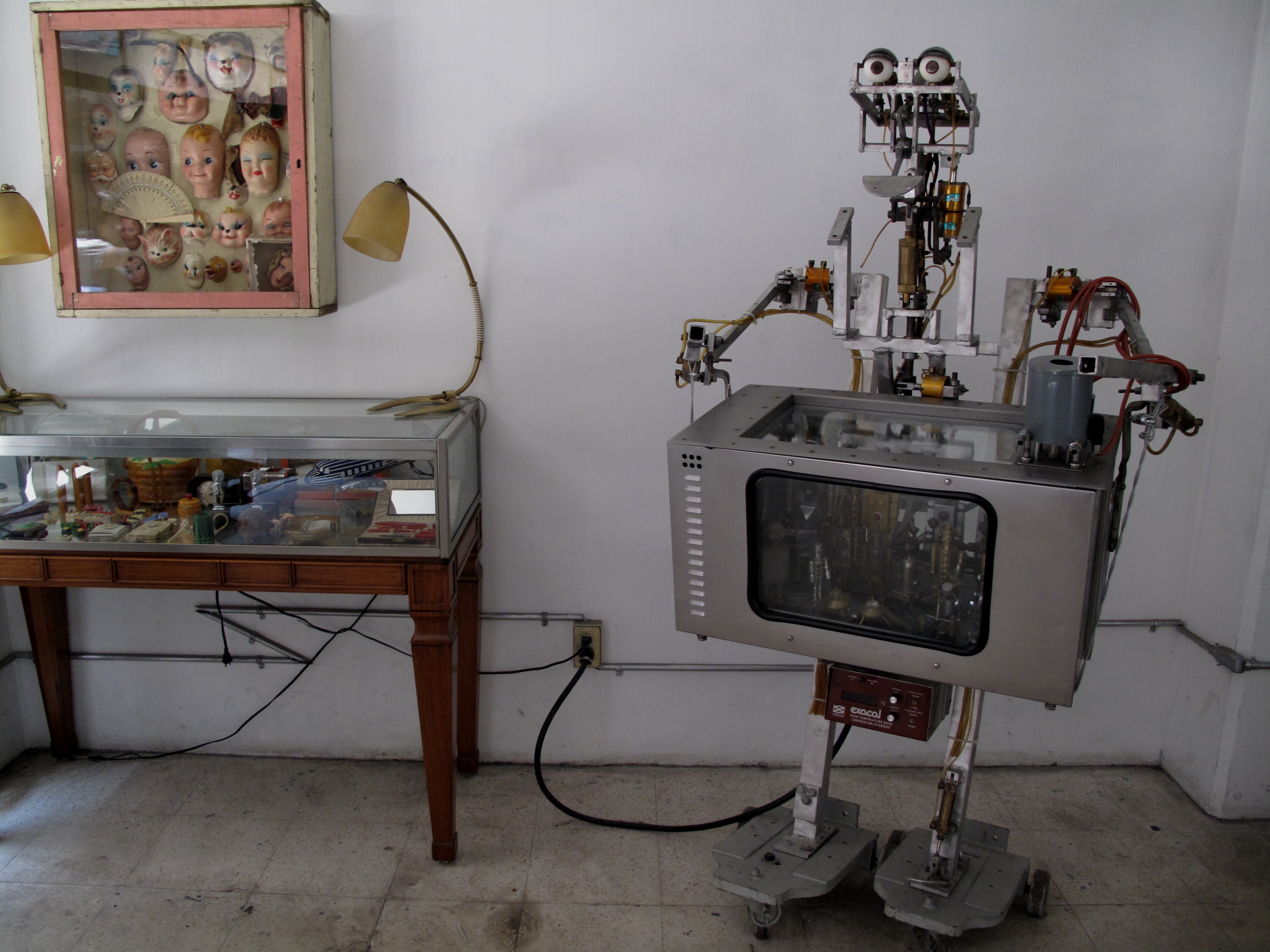
It´s odd that there´s this sanctuary of toys in a hood that´s typically avoided by visitors. The collection belongs to Doctores resident Roberto Shimizu, who in this Vice magazine interview, seems like a hoarder.

Fresno raps

This is a bit of independent NorCal raps for you. Straight out of Fresno. It´s not the only song dedicated to the phrase ¨¿I Know Huh?¨ For sitcom fans, this blog´s title has little to do with Tonantzin Esparza´s TV character. I did work on a movie with her, though.

It has more to do with a street colloquialism specific to much of California urban culture (though–according to my ears—Latinos say it the best, and most often). I can´t define it better than the UD, it´s definitely a saying of ¨understanding and agreement.¨ Very flexible and adaptable, like street slanguage should be.

**The toys used in this video are from the popular Homies line.

Post-race in the Americas III

This is the first time the World Cup has been staged in Africa.  Historically, there´ve been so many raw and degrading images of Africa and people of African-descent.  What are some images of Africa that have been popping up in media during the mundial?

I know, not as many people trip off skin color as we in the United States, or so I´m told. But I´m always happy we´re uptight enough to mostly dismiss these kinds of images. I think that if those types of graphics didn´t signify such dislike for dark skin color, that I would be cool with it.  Laugh along with the joke. But normally, I can´t. Too much going on underneath.

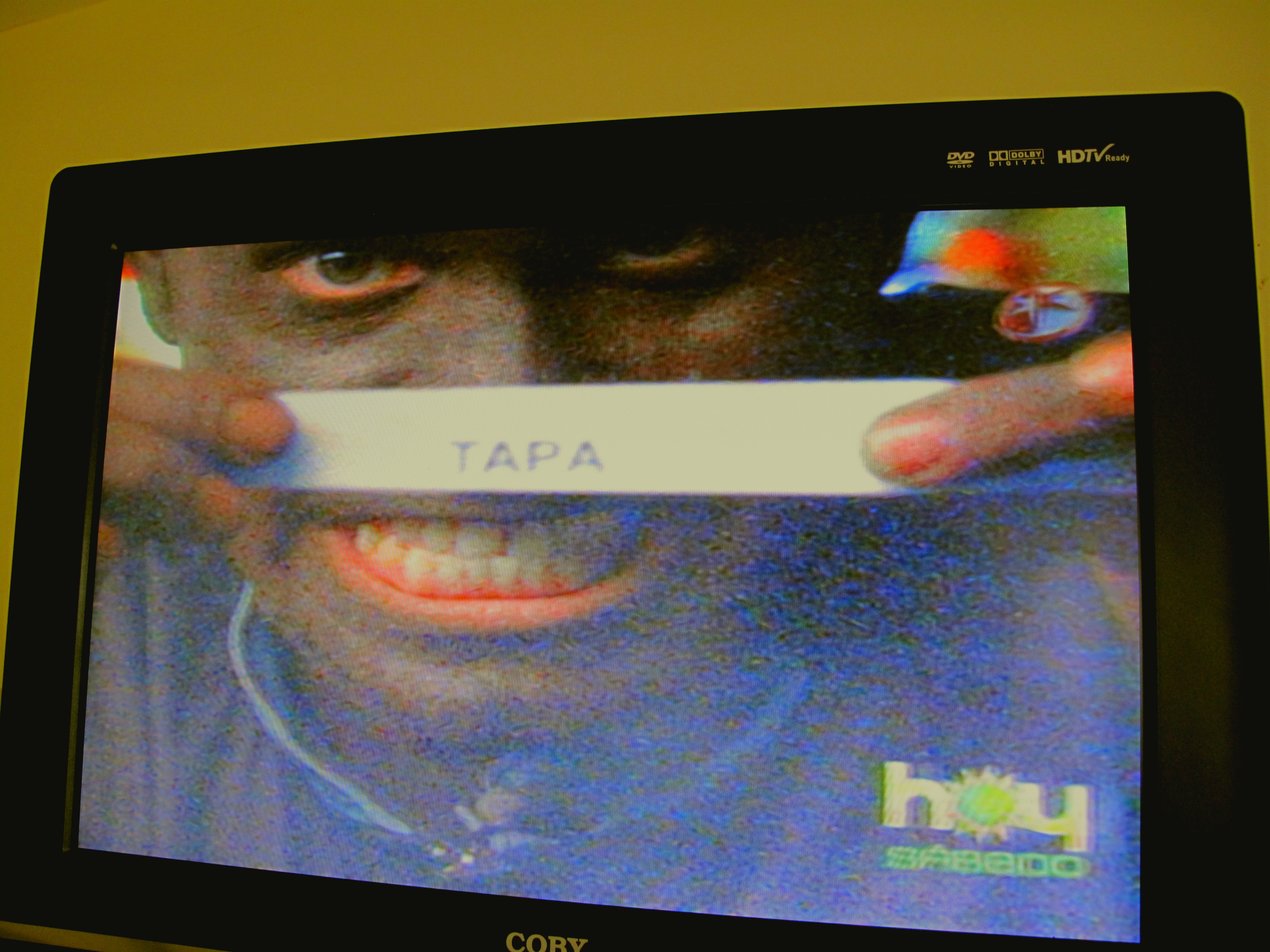
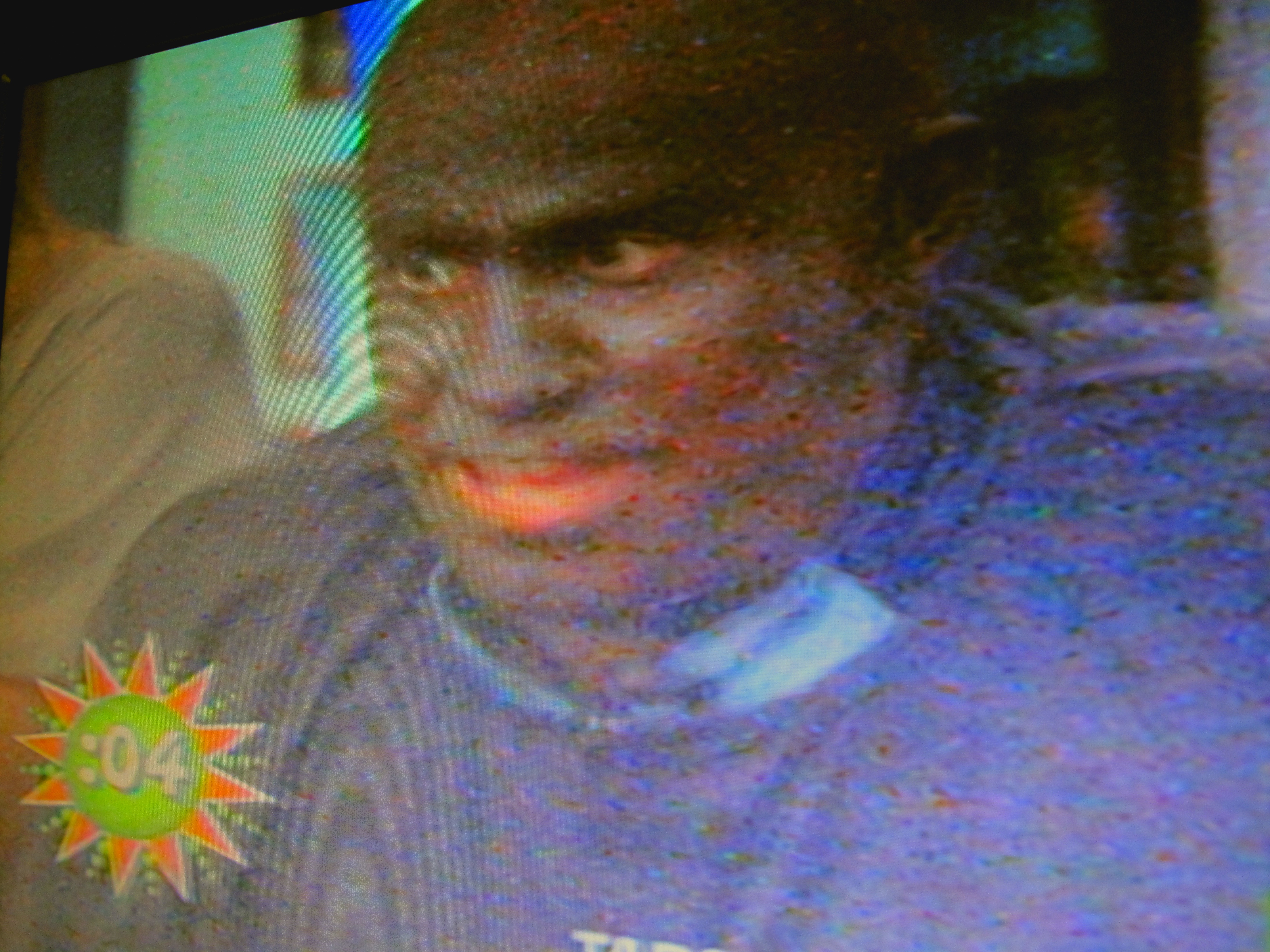
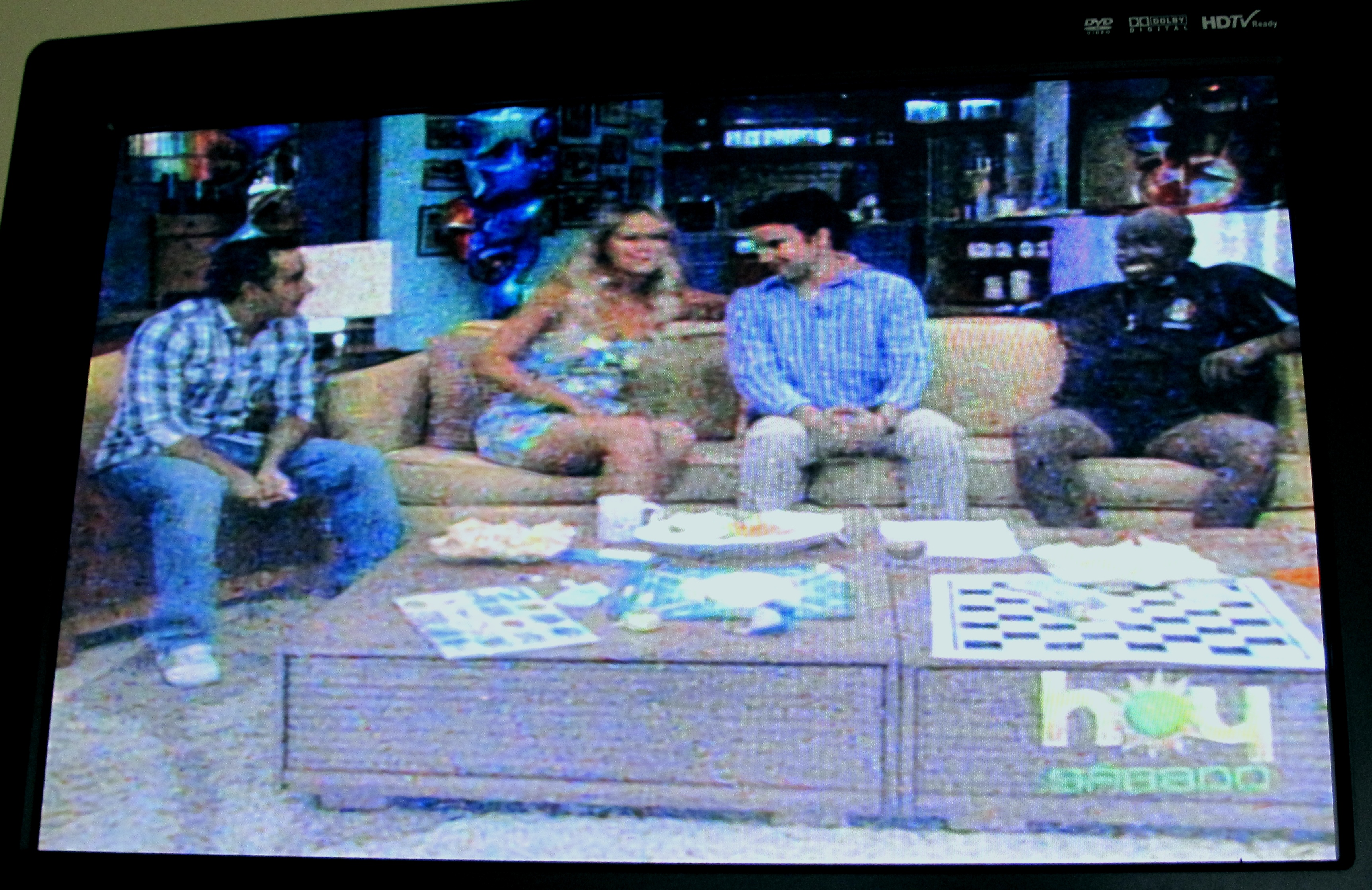
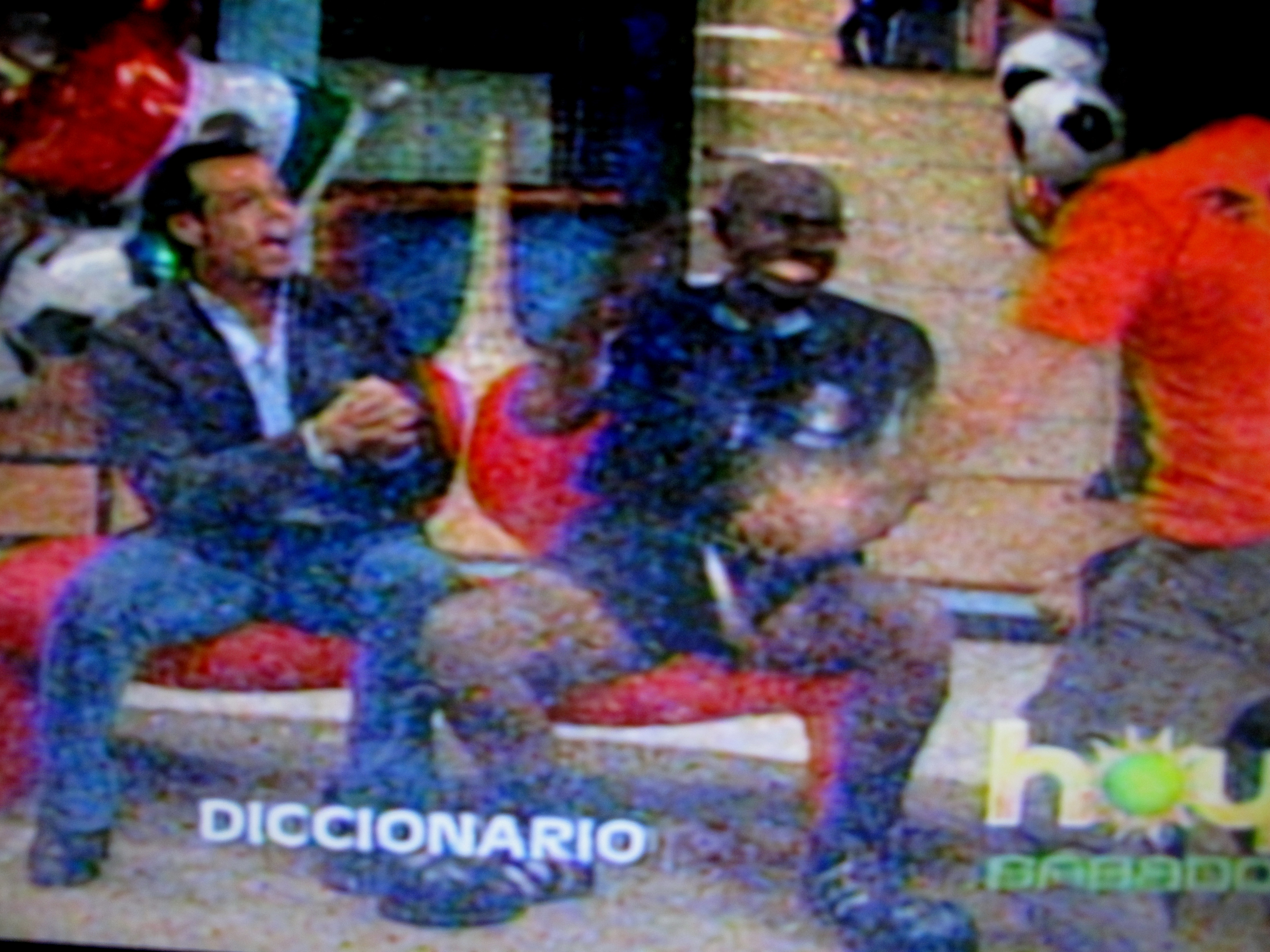
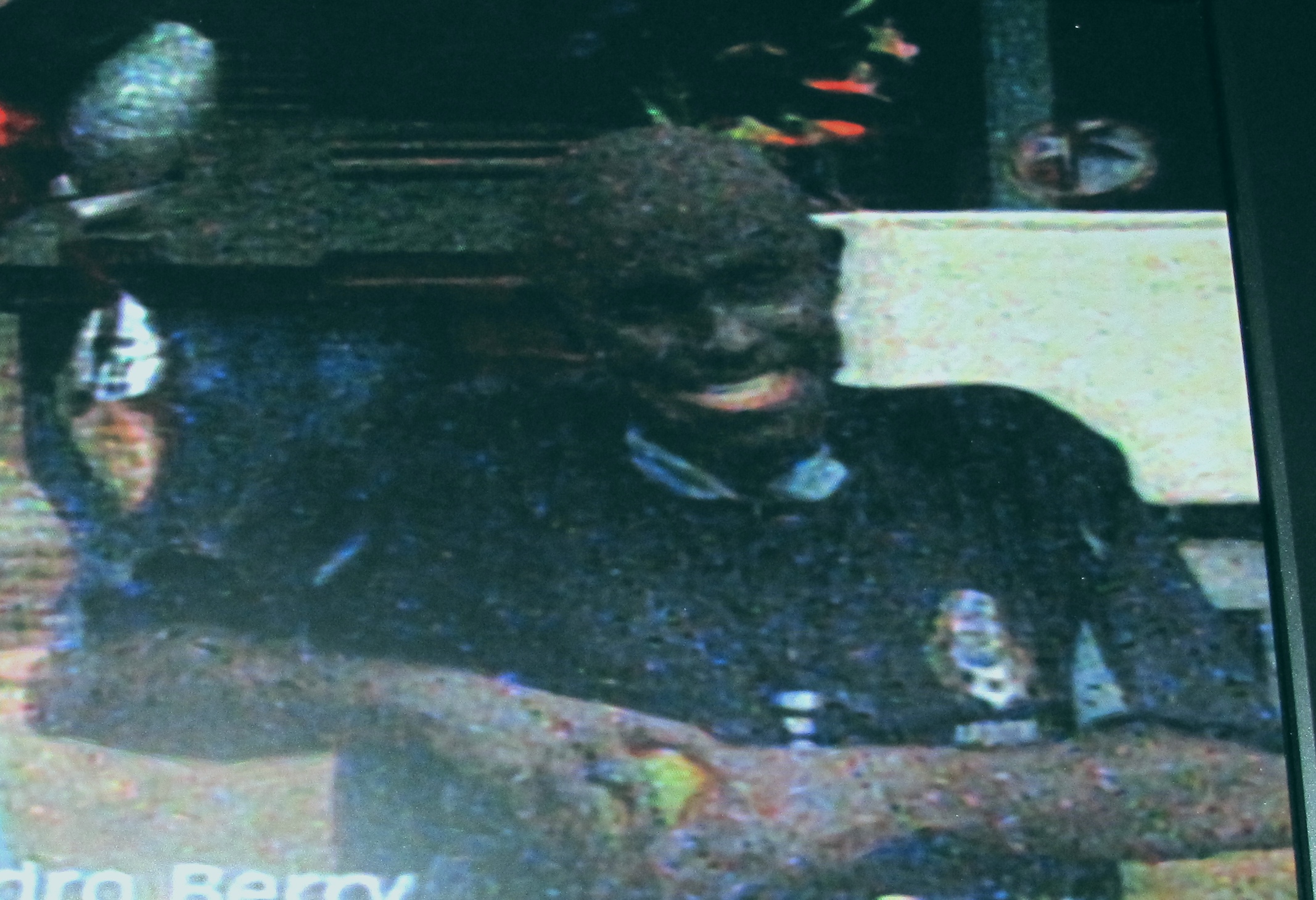
I flipped on the program halfway through and didn´t catch this guy´s name, but I heard the cast members refer to him as ¨Negro¨. Of course.  This is normal programming for the Televisa Saturday morning gab fest,  Hoy Sábado.  It´s the type of morning show that´s so bad, it makes Jillian Barberie´s work look excellent and useful.

I figured the character, who handed out yellow cards to certain announcers during the telecast, was making fun of World Cup referee Koman Coulibaly from Mali.  He made a series of iffy calls during the recent U.S. game. Here´s the Telegraph´s story on calls I think cost the squad a goal.

___

___

___

___

Continue reading “Post-race in the Americas III”