Google Video pick of the week #016

|||

I´m starting J School in a couple weeks (cue, Nasir),  so it´s fitting I get into the news media state of mind, for a minute.

You never set out to find great movies on GV, but every now and again, as if the Internet content gods want to prove their might, they drop a gem on you (cue, Havoc).

This week´s pick is among the greatest movies put on celluloid. It won mad Oscars. And yes, it´s better than Scarface (1983) and Star Wars (1977).  It stars a member of the Wild Bunch (1969), William Holden, and even  Mommy Dearest (1981 ).

Playwright/screenwriter Paddy Chayefsky laid it all out like a genius. Here are the words from the iconic moment. (via)

HOWARD

I don’t want you to riot. I

don’t want you to protest. I

don’t want you to write your

congressmen. Because I wouldn’t

know what to tell you to write.

I don’t know what to do about the

depression and the inflation and

the defense budget and the Russians

and crime in the street. All

I know is first you got to get

mad. You’ve got to say: “I’m

mad as hell and I’m not going

to take this any more. I’m a

human being, goddammit. My life

has value.”  So I want you to

get up now. I want you to get

out of your chairs and go to

the window. Right now. I want

you to go to the window, open

it, and stick your head out

and yell. I want you to yell:

“I’m mad as hell and I’m not

going to take this any more!”

||

This 1976 movie continues to ring true, in many ways, today. There´s no Howard Beale, but you can flip on some local networks and catch Help Me Howard. Not the same thing exactly, I know. But Chayefsky´s work saw the dawn of the decline, with its satyrical look at the ¨corporatization of the news media¨. Check out this 2004 slideshow, which breaks down who owns the platter your news i s served on. It´s by ex-NYT editor, Doreen Weisenhaus of the Univ. of Hong Kong´s Journalism and Media Studies Centre.

This one is a keeper. Cop one.

Colombianización

|||

Colombian pride  was shouted-out loud this Sunday (July 18), when hundreds (more likely, thousands) gathered for the yearly Colombian independence celebration, or fiesta patria, in Mexico City. It´s a Bicentennial for us, too.

I had gone once before when a reporter friend invited me. A bullfighting ring or something (manure smell in tact) plays host to the festivities, which includes a huge food bazaar (slammin cheese-filled arepas with chorizo), and all the salsa, cumbia and vallenato performances you can fit into one day (Colombians get their dance on). Apologies for the cell phone images. Documentation is documentation.

Talking Mixtecan in N.Y.

||

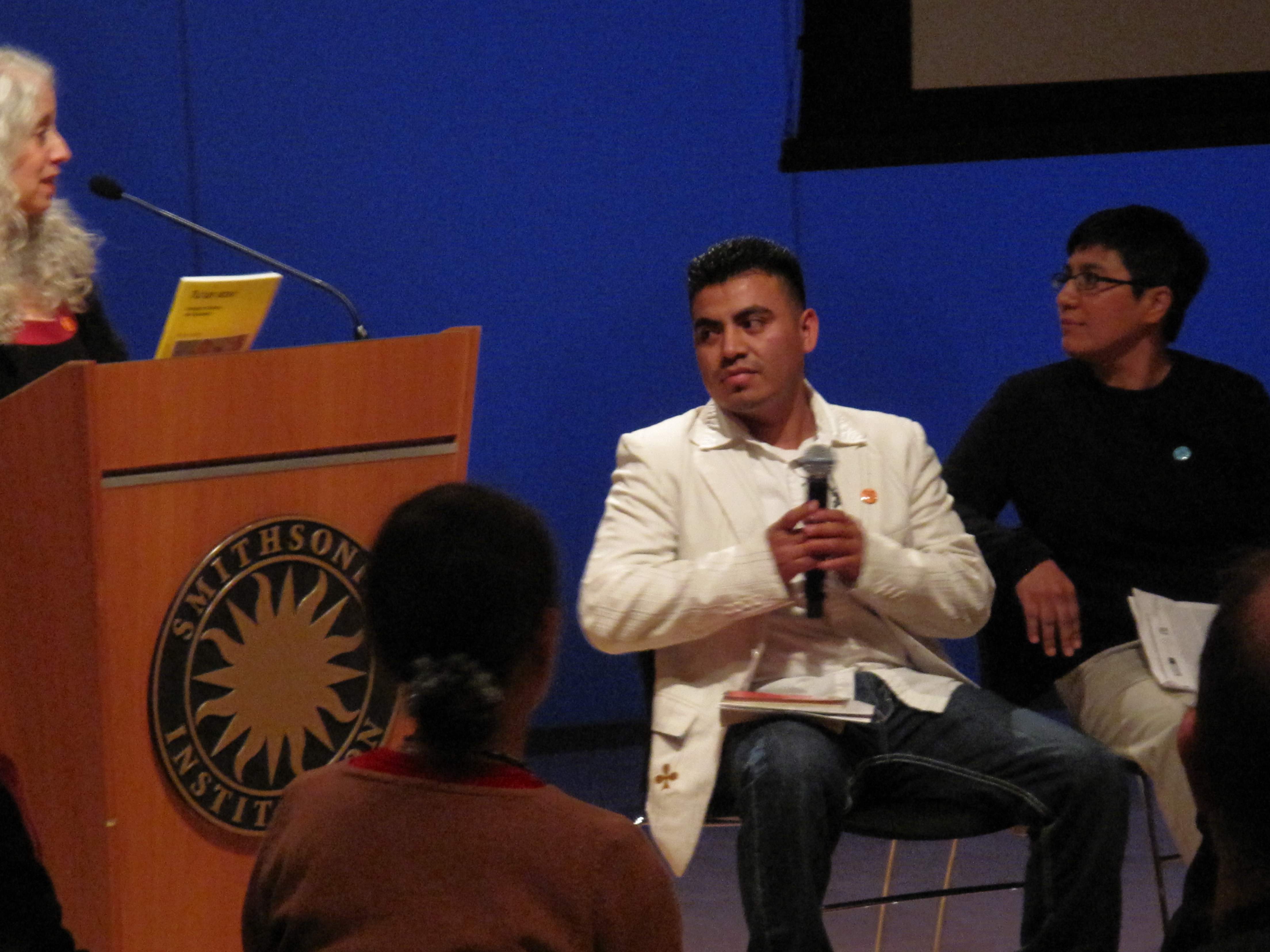
When I went to N.Y. this spring, I attended a presentation on Mixtecs in Nueva York.  It was held at the National Museum of the American Indian, and organized by a local  Mexican culture group, called Mano a Mano. The panel featured a guy, probably Oaxacan, who had to deal with the challenges of his otherness, and his language, when he arrived on the East Coast.

Yet another story about the ¨Mixtec transnational social experience¨.

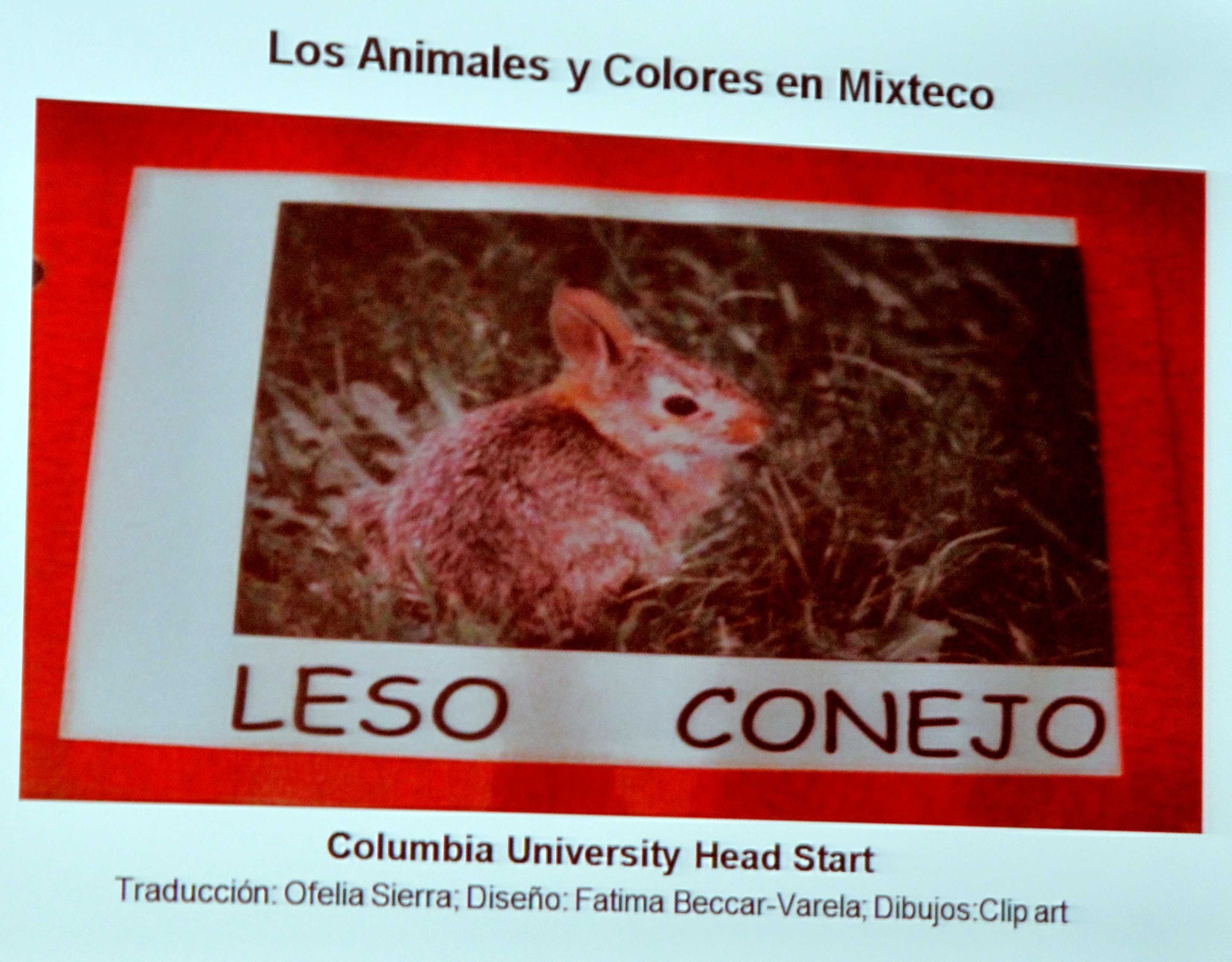
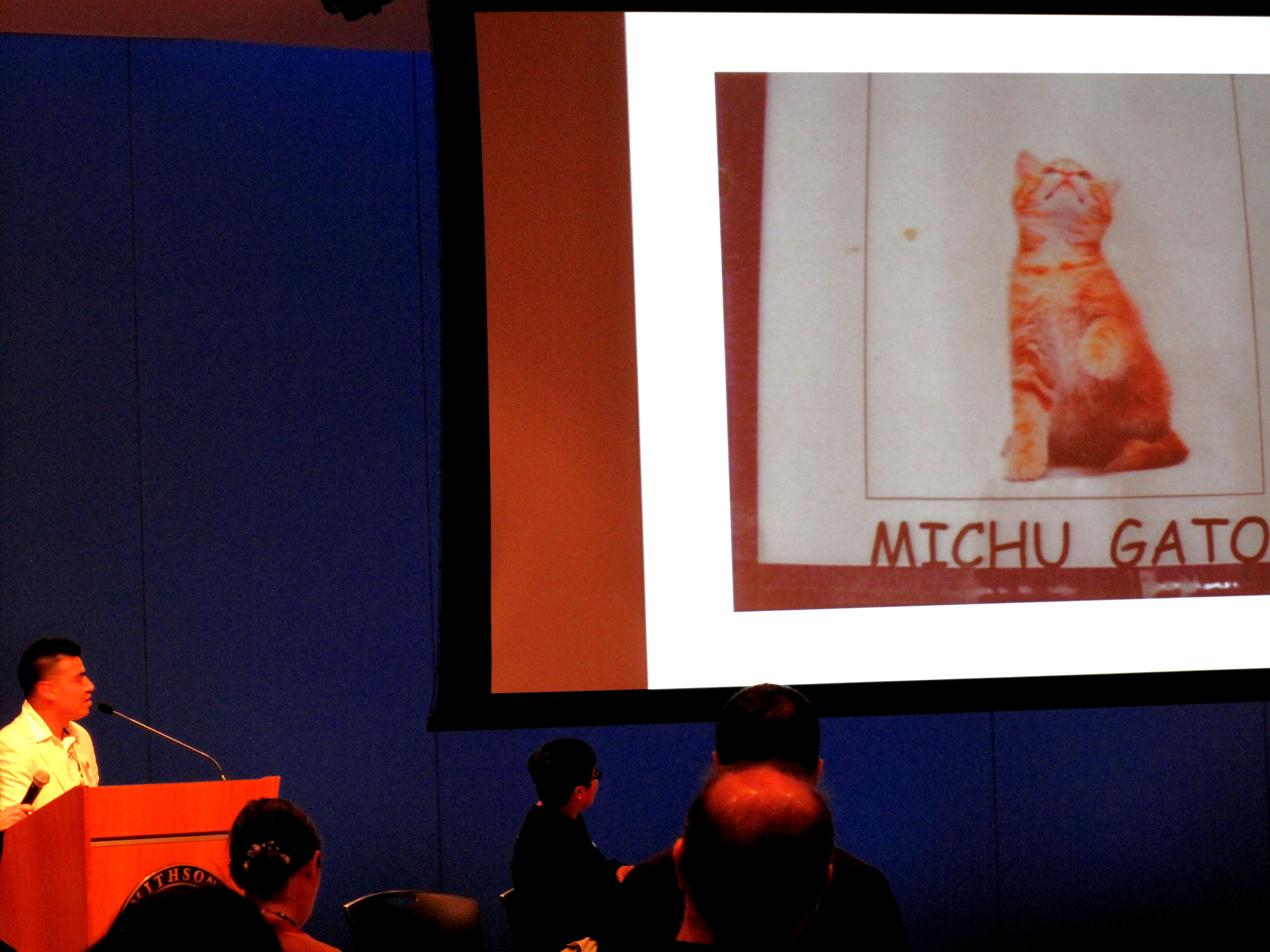
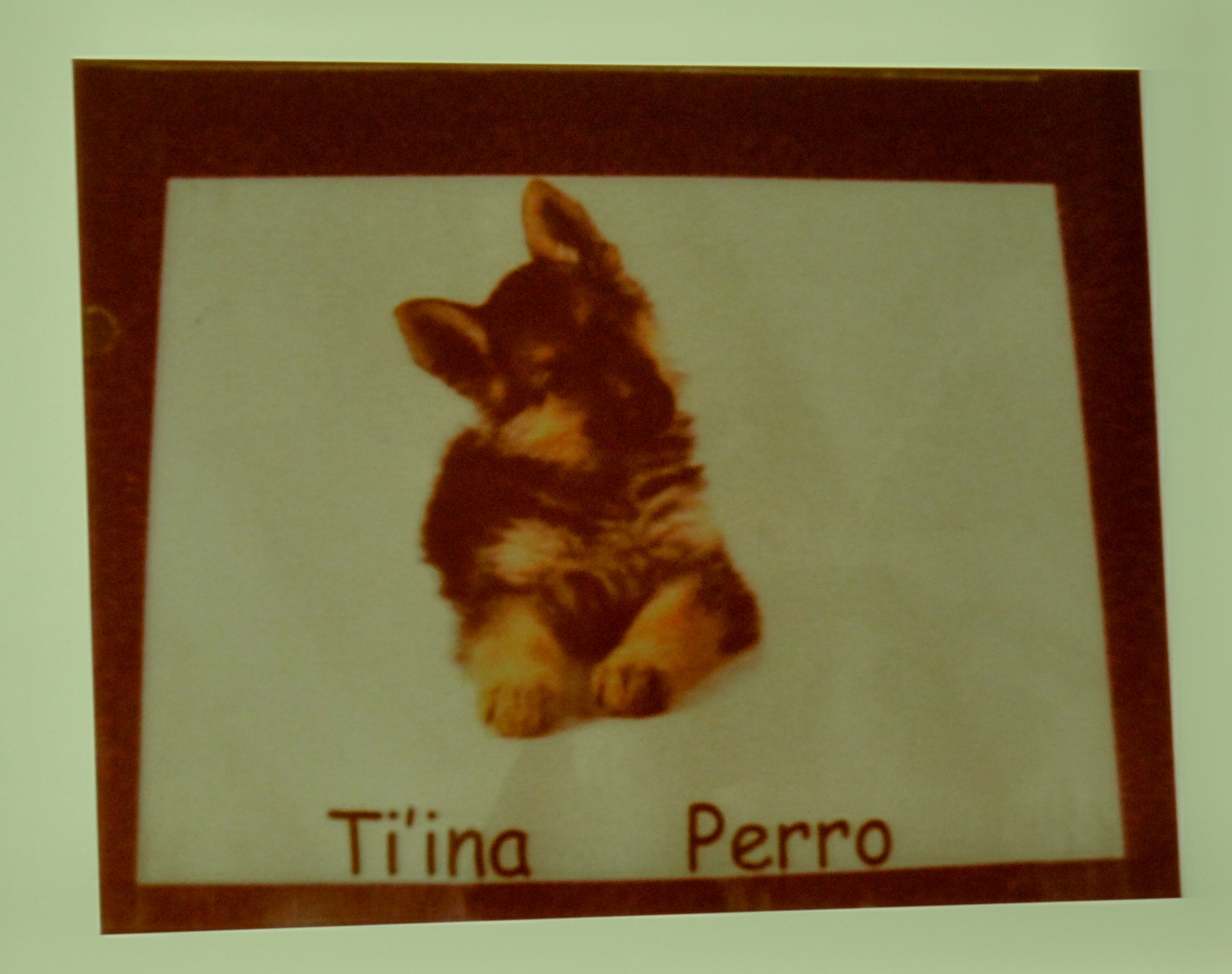
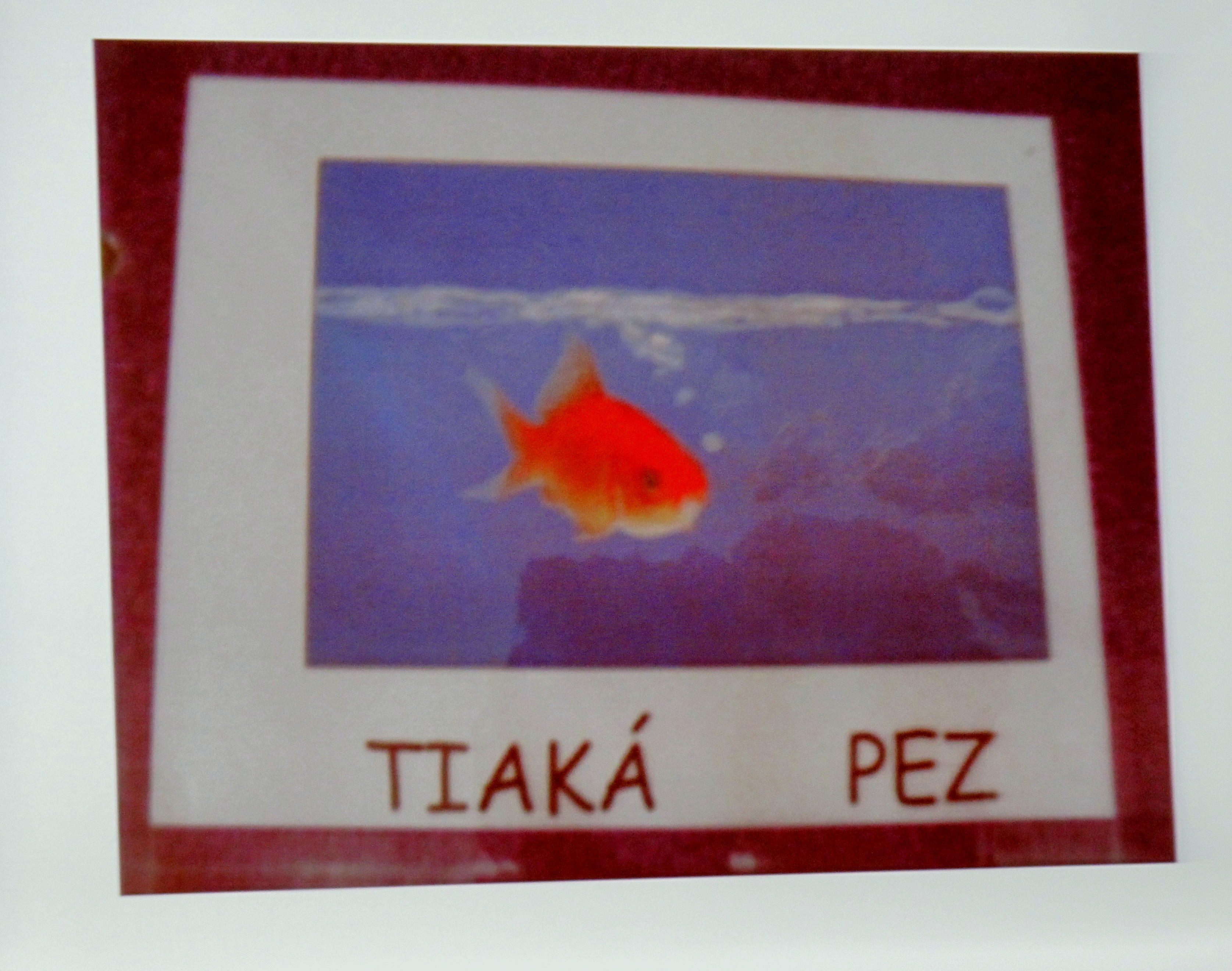
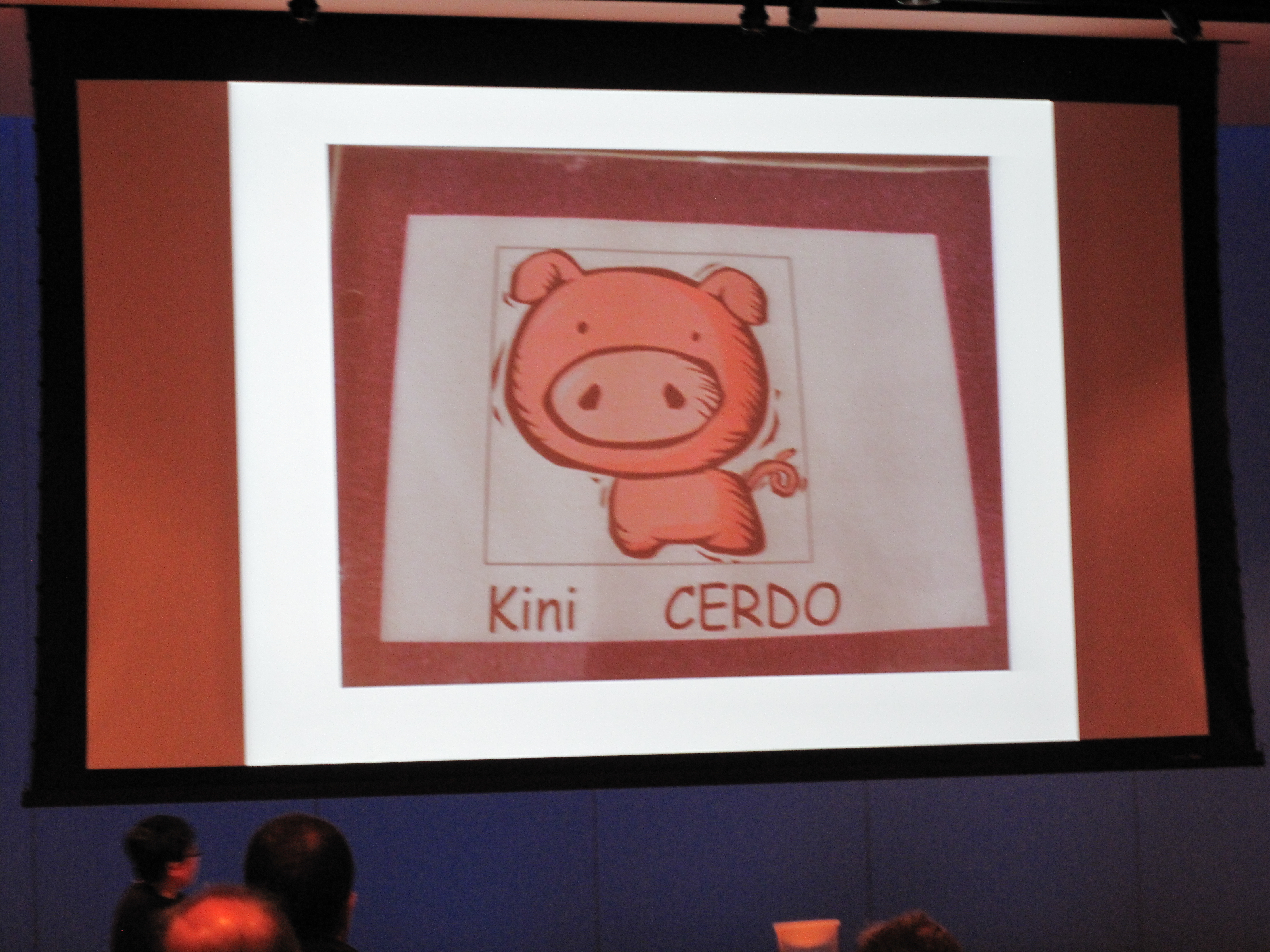
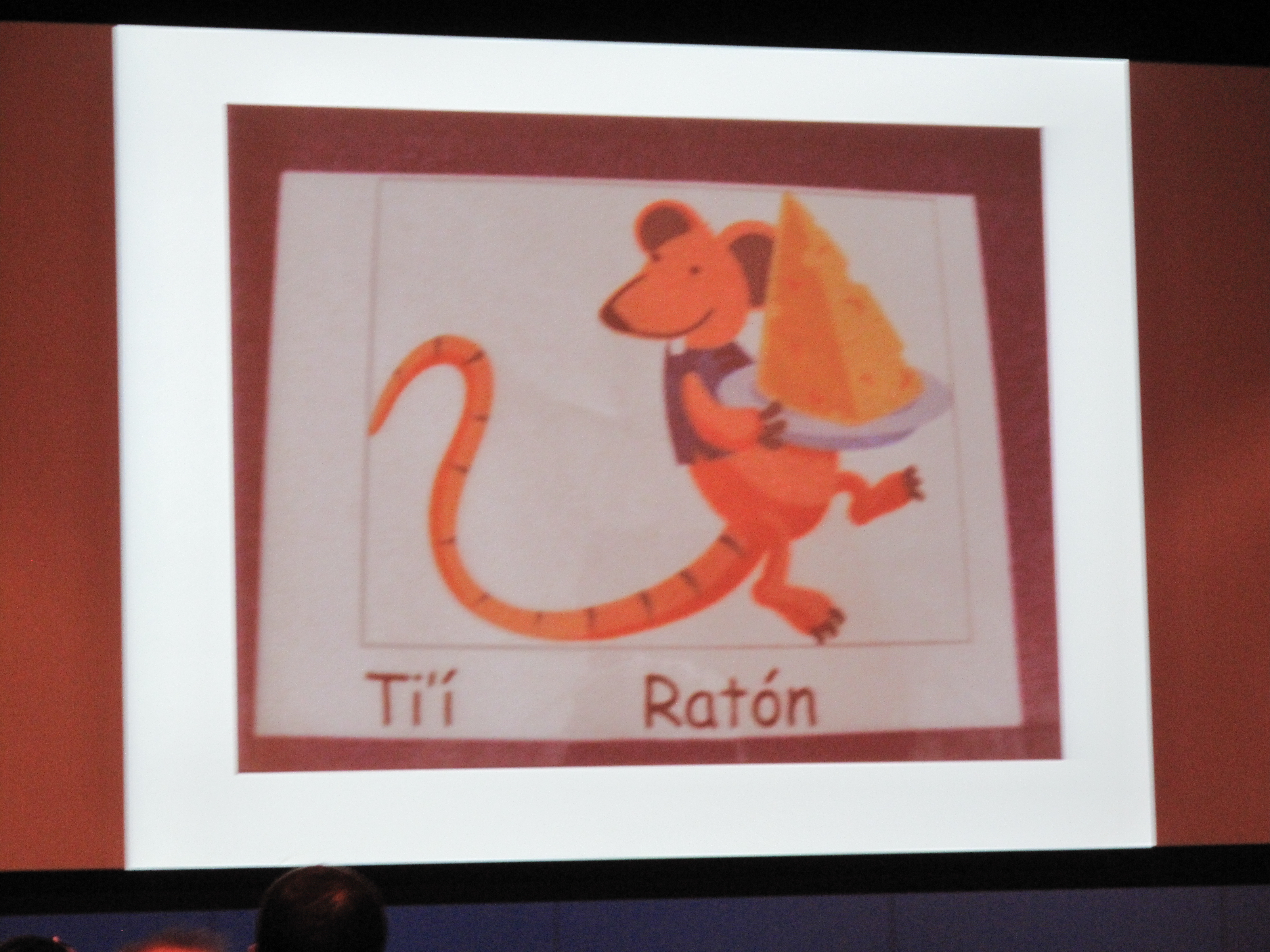
The panel was mostly about the challenges children who may only speak Mixtec face when trying to integrate into local U.S. school systems. First, they have to be taught Spanish, then English. Columbia University Head Start, which tailors its work to support the immigrant Latino community,  played a featured role in the presentation, showcasing language cards developed to teach the basics.  A woman on the panel who works as a teacher in the N.Y.C school system recalled several instances when school administrators opted to place Mixtec children in classes with learning impaired and retarded kids, because of the difficulty in communicating.

If, as I, you haven´t lived in or near N.Y.C in the past 4 to 5 years, you´ll notice a bit of Mexicanization going on. Maybe it´s just something I notice, from spending so much time in L.A.  The established generational communities that exist in Chicago, and especially in Houston, or Long Beach, just don´t exist in the East. But they´re starting to. This all feels like a new trajectory for the movement of people, and it can only increase. A shifting of migration patterns.

For more on Mexico´s indigenous languages, of which Mixtec is one of many, check out the ¨Catalogo de las lenguas indigenas nacionales¨.  (via)

Here are some photos from the event.  They include shots of a slide show the hosts presented on a screen. It teaches Mixtec children how to speak Spanish.

(click on any image to make large)


Mixteco, now a New Yorker.


Google Video pick of the week #015

||||

Depending on where you grew up —- say, from the middle school years through high school years — you probably didn´t know a lot of Black kids who were into punk rock.  Not to get all Bill Cosby on you or anything, but when you grow up in certain neighborhoods, falling outside the ¨norm¨ just isn´t tolerated. There´s a whole sect of brothers who think Hendrix is some really exotic stuff, not socially accepted on some corners.

Whatever, homie.

It´s all connected to the same vibe, the same origins and the same angst and rebellion, según yo. That´s why I like this week´s pick, James Spooner´s documentary, Afro-Punk (2003 ). While it´s a bit obvious in places,  I felt it suffered from poor pacing. There were a lot of voices involved in the doc, and some great punk rock artists. It´s most astute on issues related to being Black in a punk environment, tackling some important topics such as the question of Blackness. How can Black kids in Southern California, New York City, Cleveland and Detroit, who are into punk somehow be considered ¨less Black¨? Like in my N.J. town, why do they get beat up and picked on, as they walk from school to their homes, wearing a Bad Brains, Slayer or Metallica shirt, in predominantly Black neighborhoods? Not sure if that still counts with today´s version of those same bullying kids, wearing colorful skinny jeans. Kind of balances things out.

Via the Google Video link:

Afro-Punk features performances by Bad Brains, Tamar Kali, Cipher, and Ten Grand. It also contains exclusive interviews by members of Fishbone, 24-7 Spyz, Dead Kennedys, Candiria, Orange 9mm and TV on the Radio, among others.

Spooner continues his involvement in the Afro-Punk space with a festival in Brooklyn. Check out coverage from last week´s Afro-Punk Festival in the NYT, SPIN, and NY Press.

For a more lighthearted take on what it means to be a punk outsider, watch SLC Punk! (1998).

Post-race in the Americas III.5

___

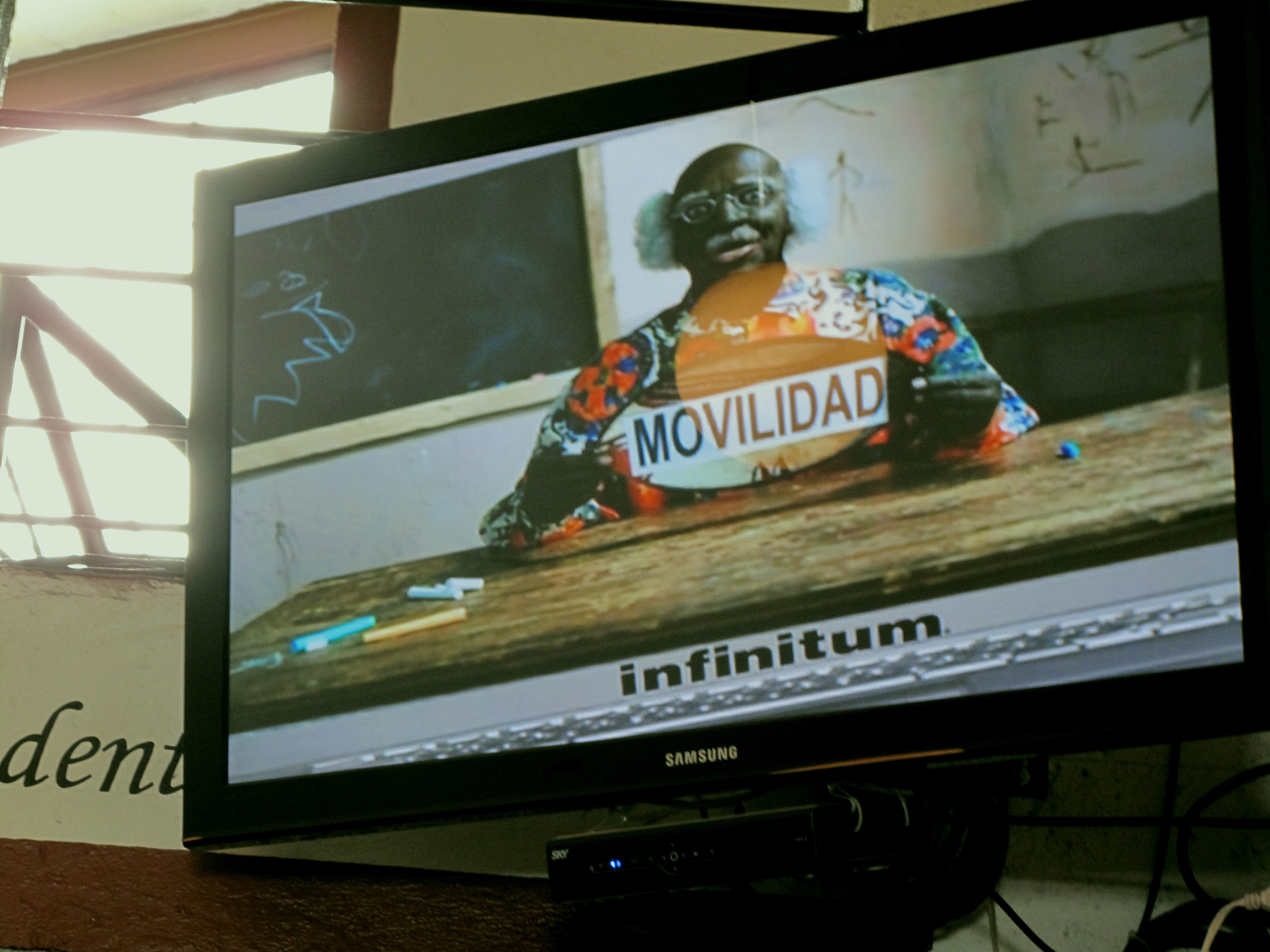
Blackface is dated. Bamboozled (2000) showed us that.  Images of blackness — from what I´ve seen in Mexico City media during the World Cup — are stuck on some tired stereotypes. As many people of African descent who speak Spanish, the makers of this ad could´ve done a lot better than this.

Above, a SKY broadcast of an Infinitum commercial pegged to the World Cup. In it, a man in blackface acts as an African school teacher, giving a language lesson about one of Carlos Slim´s Internet offerings. After the lesson, little African children come out and dance around the teacher´s desk; happy about their new broadband connection, or something like that.

Infinitum is the broadband arm of Slim´s multi-billion dollar Mexican communications empire.

Continue reading “Post-race in the Americas III.5”

World Cup player hating

Let´s go Ghana!!!

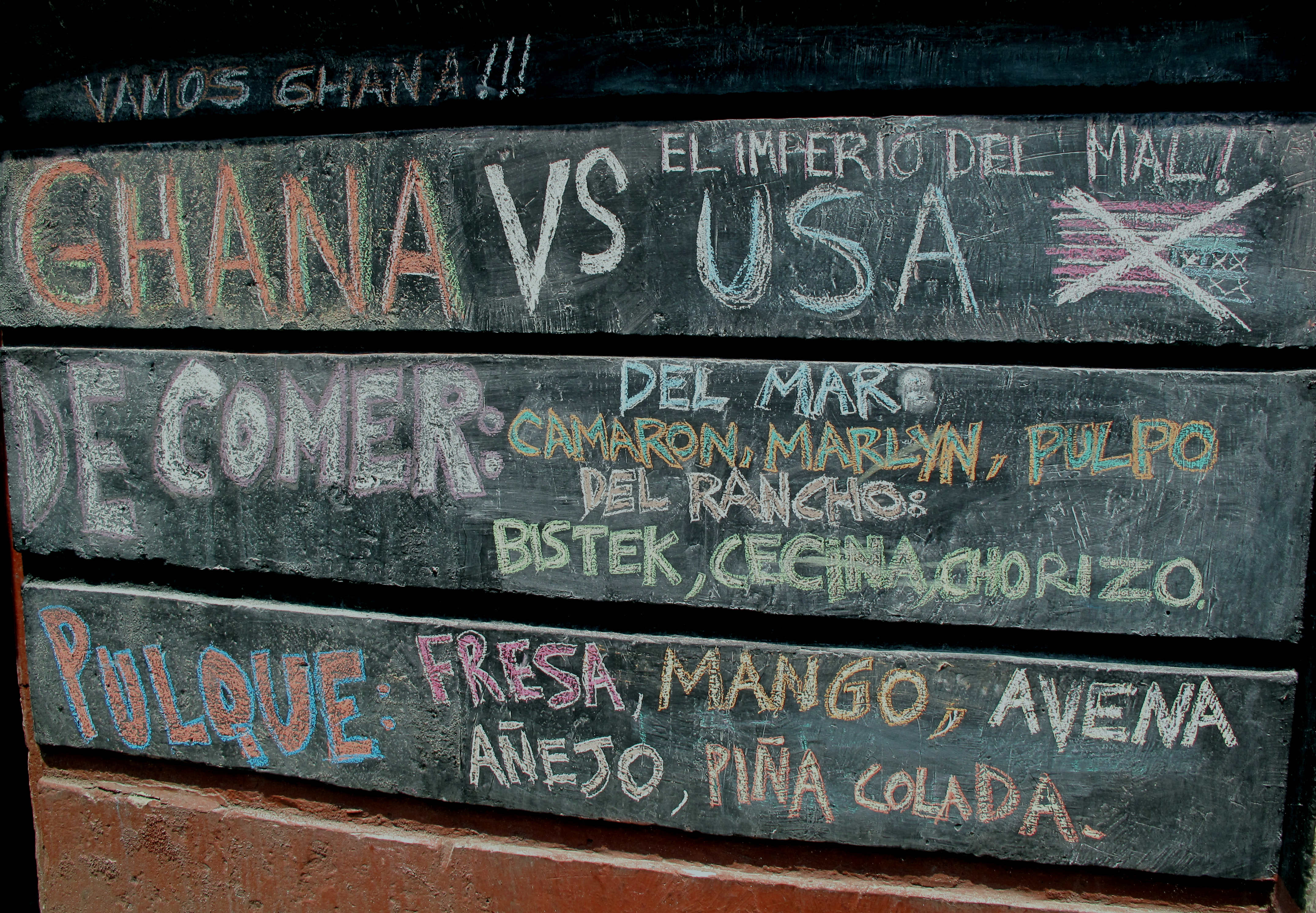
GHANA Vs USA (The Evil Empire)

Just a reminder to all the adventurous gringos who come to D.F., thinking it´s all love.

It´s difficult to be a U.S. National Team fan during the World Cup. They just never seem as good as the rest of the world. If Pelé came from Pittsburgh, then it would be a different story. I don´t even know any of the players on the U.S. team, well….except for one guy, and that´s because I used to kick it with his sister in college. Still, I feel like it´s my obligation to root for them, because 1) It´s my home team, and 2) My Newark high school produced 3 Cup players, a couple of those guys I knew. They played during the days when the U.S. team was just beginning to surprise the world with their level of improved competition.

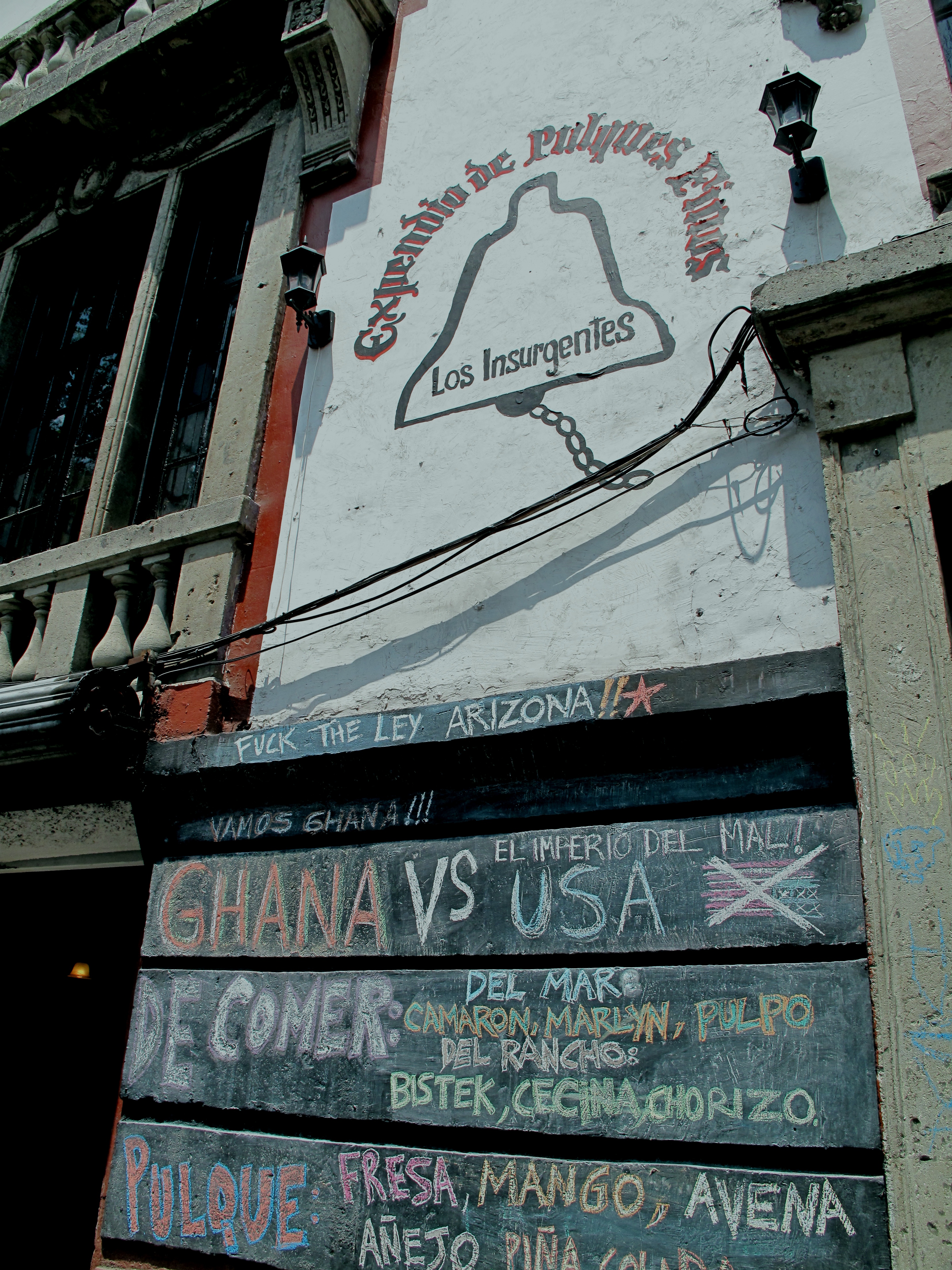
From the looks of the sign outside the Insurgentes pulqueria, where I watched the recent U.S. defeat to Ghana, above, most people still can´t stand us.  And you may know why.

—-

I can´t hold it against the pulqueria  Los Insurgentes, which is a new Roma drinking spot that opened in March. Note the upside-down flag. The place has a good sound system and quality jukebox ($5 pesos gives you 3 picks) . It serves a nice selection of pulque, beer, liquor and mezcal. Visit on a weekend night, because it´s becoming quite the venue for live shows.

Los Insurgentes, Insurgentes Sur 226, Colonia Roma, D.F. Map.

My 5 Greatest D.F. Rap Moments: #5 Bocafloja Show at Alicia (When the Lights Went Out)

bocafloja2009_07_18

I found the following piece in my blog drafts, dated July 20, 2009. Why am I waiting almost a year to publish it? Because this is a blog, and sometimes I have to let things marinate.  Besides, I knew I would do some kind of bloggery count down, so I needed some ¨new¨ material.

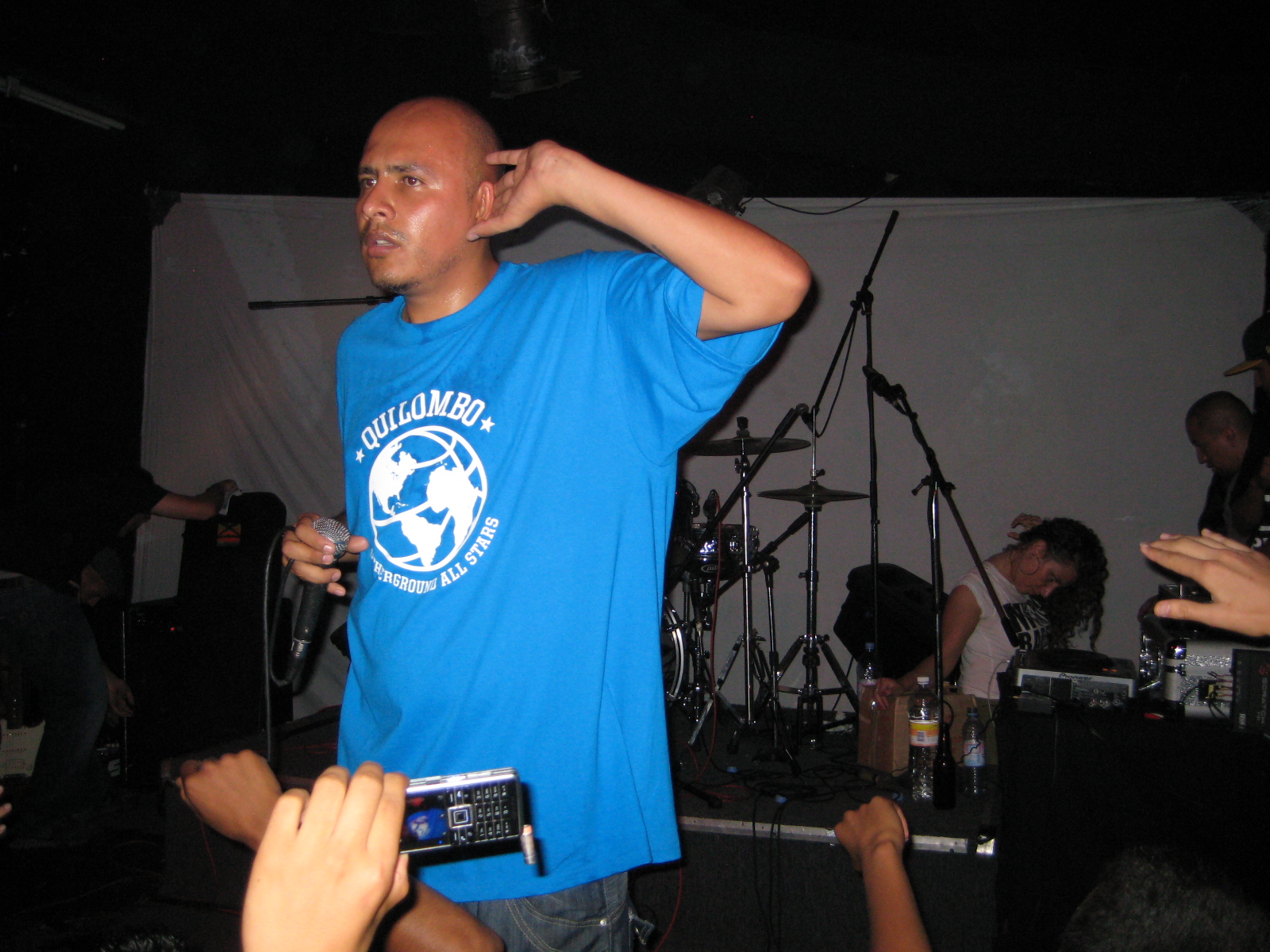
Being in the crowd at this concert, above, at the Foro Alicia in Colonia Roma, was one of my greatest Mexico City hip-hop moments. Not in my life have I been to a rap show where the lights and power went out (typical reaction to a violent thunder storm in this part of Mexico City), yet most of the crowd stuck around to hear rappers perform over a drum kit, or accapella. The image, if you were there would have been of a dark performing space and people busting out notebooks to participate in impromptu poetry recitals and top-of-the-dome freestyles. Those kids got to shine, in the dark, but kept things moving so the show could go on. The Foro Alicia was brimming with teenagers in that summer heat, while the D.F. rainy season was in full effect.

My good German geologist friends, Maria and Moritz, came out to the show. And they stood around just like everyone else when the lights went out. Check out some of their excellent photos of life in Querétaro, taking rocks very seriously for UNAM.

Continue reading “My 5 Greatest D.F. Rap Moments: #5 Bocafloja Show at Alicia (When the Lights Went Out)”

G.I. Joe beard and rap in Doctores

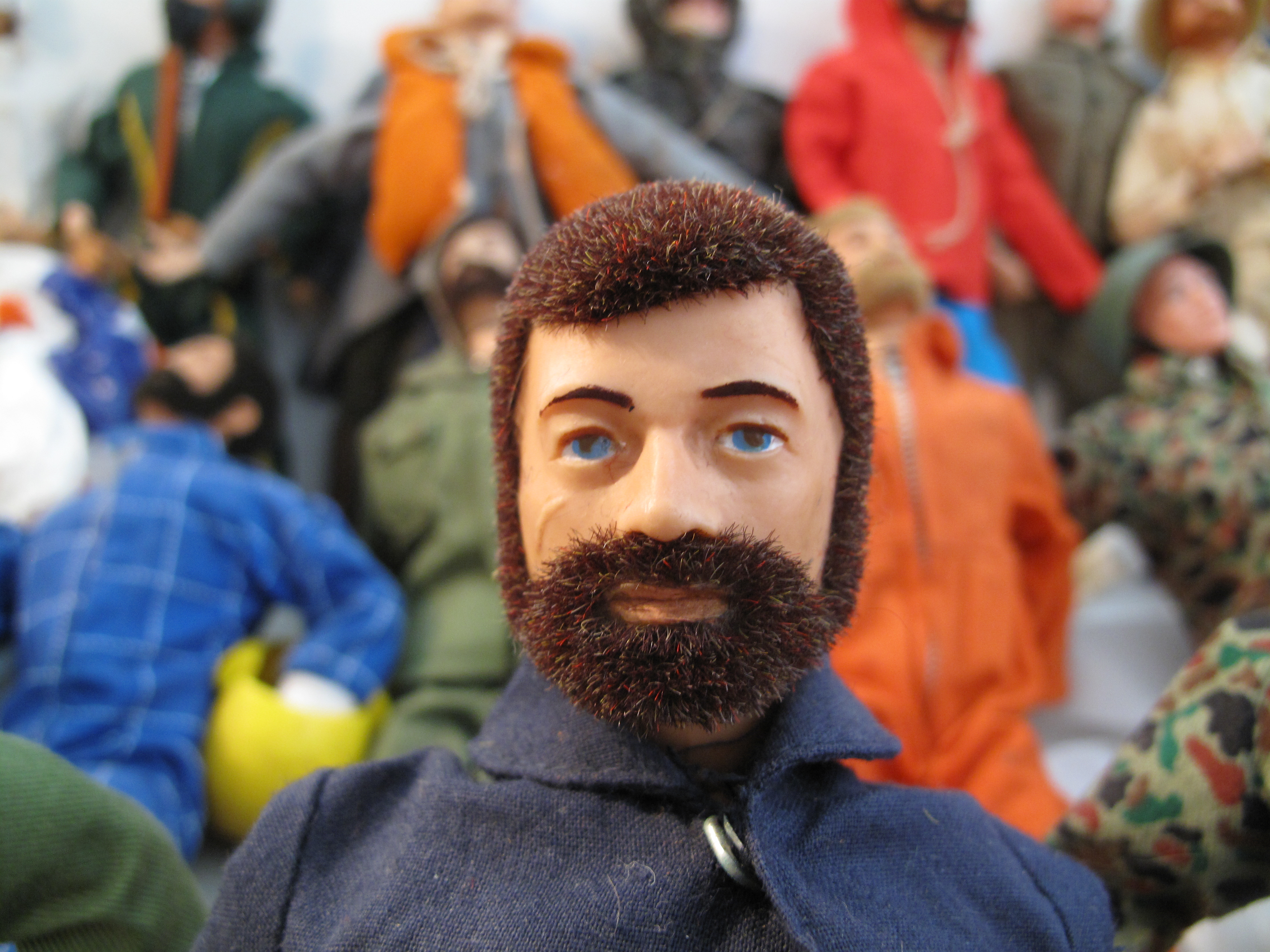
You may know someone with a beard like this.

If you look at the success of Kaws, plastic toys are cool, right ? But what´s the allure of movable fighting men? Basically, a doll, created in the mid-60s … for boys.

I´m not a toy collector, but I used to play with 80´s G.I. Joe toys. It´s wild to think that I used to get lost in play for hours with a bunch of little men with plastic weapons, unleashing tactical assaults with a hover craft, and borrowing from images of Arnold Schwarzenegger, or Bruce Lee type destruction.

Toys meant a lot to me back then. When I kept seeing flyers around my local coffee shops for  MUJAM, a self-styled toy museum featuring a visiting G.I. Joe exhibit, I knew I wanted to be there.

I noticed the flyer´s map put the museum in Doctores. It´s a colonia, or neighborhood, with a reputation for being one of the more dangerous D.F. hoods. Part of this legacy has to do with high rates of muggings and auto parts thefts. La Jornada breaks down the criminal roots of the colonia. Doctores also has its own public Malverde shrine.

The area is important as an active hospital zone, providing local  health care, government and judicial buildings are located there, and every Sunday you can find great deals on produce at the tianguis along Dr Erazo.  Lucha libre matches at Arena Mexico feel safe and under control, especially when crowds of foreigners spill out onto the streets at 11pm every Friday night. The museum Estación Indianilla should be on your list if museum hopping in Doctores.

||

||

It´s odd that there´s this sanctuary of toys in a hood that´s typically avoided by visitors. The collection belongs to Doctores resident Roberto Shimizu, who in this Vice magazine interview, seems like a hoarder.

Google Video pick of the week #014

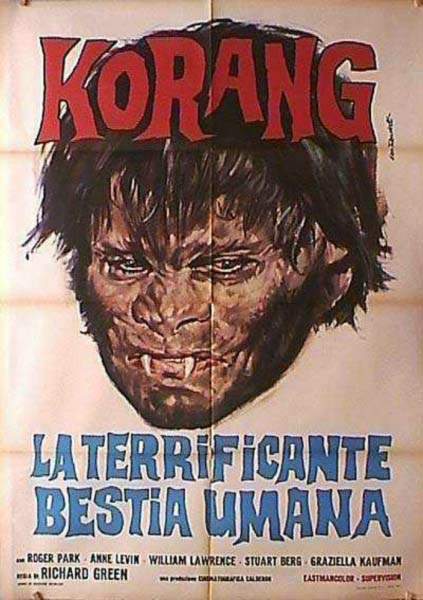
I wouldn´t mind doing a little in-depth research on late 1960s Mexican schlock, wrestling, horror cinema. Some of the films resulting from this crazy mix of genres are interesting.

The thing that really grabbed me about Night of the Bloody Apes, the 1972 English-dubbed version of the movie in the poster above, was the opening scene of female masked wrestling (or lucha libre femenil).  This isn´t any of that G.L.O.W stuff.

All Movie Guide sums up the plot with an accurate description of the antagonist:

…A hairy gorilla-man with a wrestler’s physique who loves nothing more than to rape women and rip men’s faces off. The only one who can put a stop to this horrific rampage is — naturally — a masked female wrestler.

One version of this film was called Horror y sexo.


Movie poster from lamansiondelterror.blogspot.com

Newark´s rap inroadz

William Leon Rhodes a.k.a Billy Roadz

Since I´ll be blogging from the N.Y./N.J. area in a few months time, I thought I would take it back to Jerz for a moment. Living on the West Coast non-stop, you lose touch with ¨home¨, especially if you don´t return often. You miss out on picking up new slang.

¨U all ready know!!!!!!!¨  ¨You aalllreadddyy!¨

I started hearing those phrases a couple years back when I would go back home for Thanksgiving, or to cover CMJ. I think I´m hearing West Coast cats use ¨Already¨ now.  It´s sort of an updated, ¨You better believe it,¨ or as my cornier friends´moms would say, ¨You bet your buns

Along with some of the slang, I feel like I´m missing out on New Jersey´s rap movement. Is it really a ¨movement¨? I don´t think so. You´ll always have inner city hip-hop heads who are good (or not) at rhyming and flowing over beats.  There is really a much larger post I could do on N.J. hip-hop talent. Jay-Z knows who they are. Iovine probably does, too.

It´s cool to see Naughty by Nature get up and do some dad rap. But we Jerzy folks know there hasn´t been a true rap superstar for us since Redman.  Still, people keep trying to get there. Case in point, the rapper in the pic above: Billy Roadz.

Viewing the rap scene in Newark (I have a lot of work ahead of me, since Youtube — and a chance meeting with Roadz — is the main reference right now) is like looking into the hip-hop scene in Mexico City, D.F.  For one, as in D.F., Newark has hundreds of MCs and producers trying to get a piece of the musical pie. Making rap $tar money is a distant reality for  all of the rappers in D.F., and most in Newark. Second, it´s a hip-hop scene in the shadows of a larger, more successful one: NYC´s; and in Mexico´s case, the West and Southwest rap scenes.  Am I stretching that? Hope not.

The one ingredient in Newark hip-hop is grittiness. All the greats had it, or still do. In the naughts nothing´s shaped Newark more than lackluster Redman albums. And in a city going through enormous changes, with new stadiums, young mayors and a possible visit from Lebron James, one ingredient remains the same:  Brick City grit underneath the finger nails and in the flows.

Billy Roadz is only one talent in a pool of rappers who are proving themselves efficient at producing quality material. There´s just no product push at this point. Long gone are the days of selling CDs out of a trunk. But it´s good to see these rappers are intelligent enough to at least have a decent online presence, and pay the right DJs to help get material out. Ever heard of the Kash Addictz? Check Mike Mula´s blog (and on Twitter).

| Stream and Download Bill Roadz 2009 Mixtape |

Check his bio, here. Find out when his next mixtape drops, here.