Post-race in the Americas

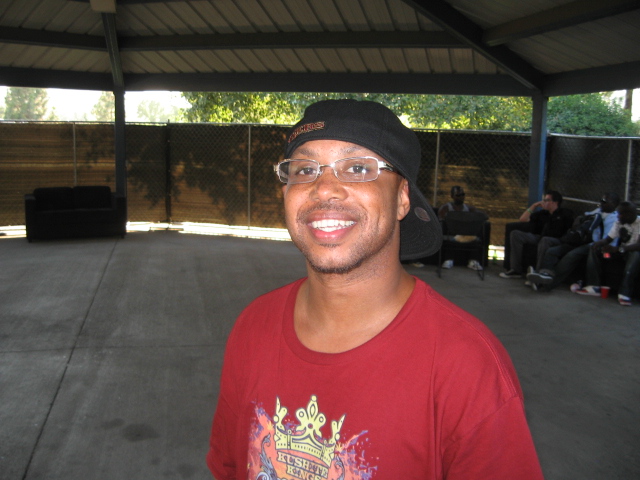
In the week before Obama won his presidency, this guy on a Mexico City roof, above, thought up a great costume for a Day of the Dead party. There were only a handful of people who gave this get-up any pause.

There are a lot of complicated reasons, which I hope to explore throughout various blog posts, why many intelligent people in this country don’t see anything wrong with blackface, or deny racism exists here. As a person whose mother is from South America, and father from Prince Street in Newark, I’m always interested in how Black Latinos view themselves in the context of Spanish-speaking culture, and how those cultures in Mexico, Colombia, Brazil and Spain, view people who are Black.

This 2005 piece from the Boston Review, raises the race issue, starting with the Vicente Fox speech that said Mexicans grind doing the types of work not even Black folks want to do. That, along with the federal government nearly making a postal stamp with this character’s mug on it, brought international attention to Mexico’s apparent culture of racism (which really isn’t that different from what still exists in the U.S., we just hide it way better).

“Criticism of race relations and racism in Brazil, Mexico, the Andes, the Caribbean, and Central America has developed as a natural extension of multiculturalism and identity politics in the United States, and many studies describe persistent racial inequalities masked by the idea of racial democracy.

This criticism and research has, in turn, fed discussions of race in Latin America, albeit in an attenuated manner: Brazil has had its own proponents of “black power,” and racism against Indians has become a theme in Mexican social movements.

Because these challenges are difficult to reconcile with Mexico’s 80-year-old ideology of national integration, they are often downplayed in public debate—as if Mexican racism had long been taken care of, and as if whatever remains of it were somehow less harmful because things are worse in the United States.”

Check out more on the topic, here.
Continue reading “Post-race in the Americas”

¡ Ask a Jeweler !

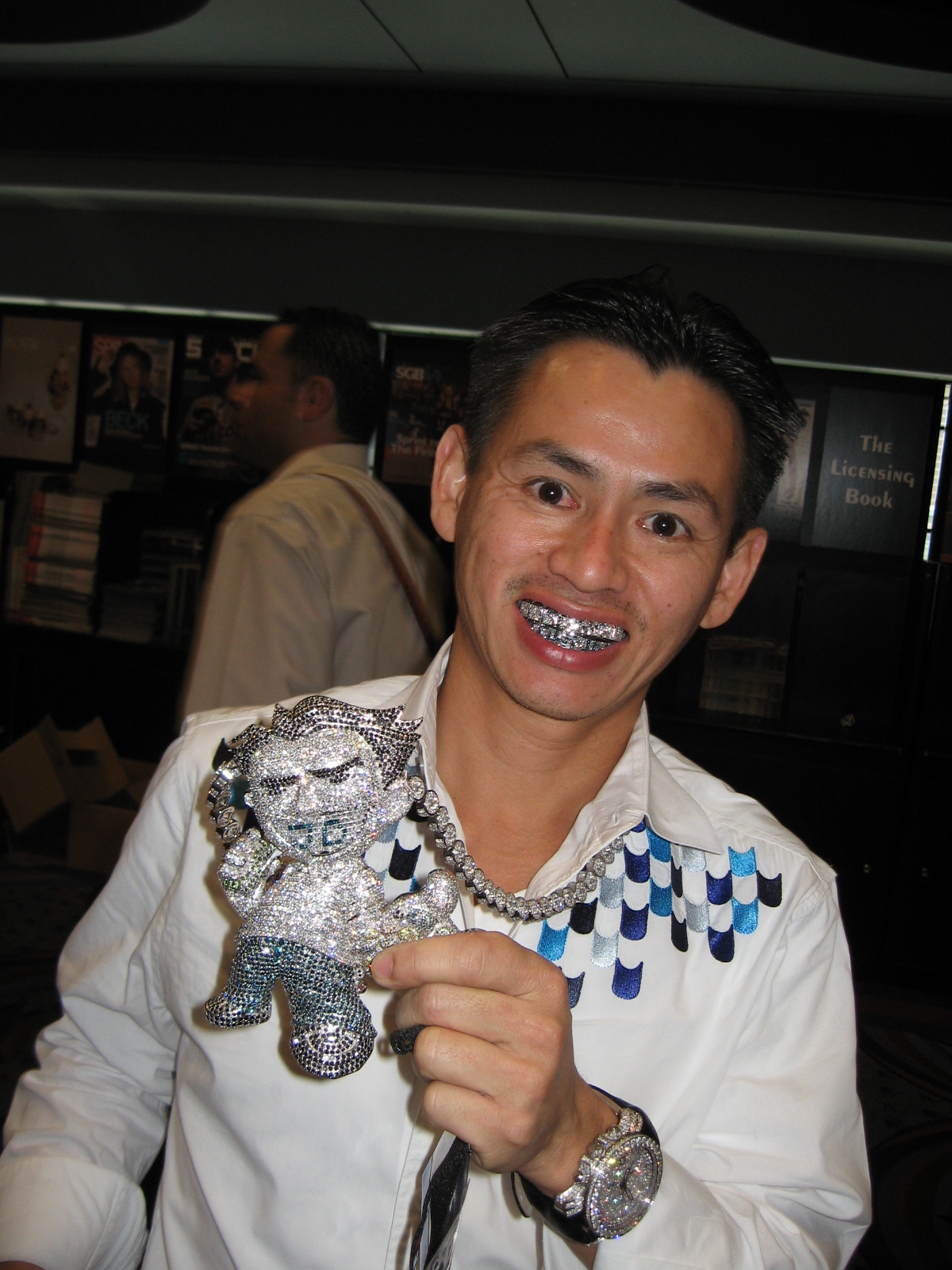
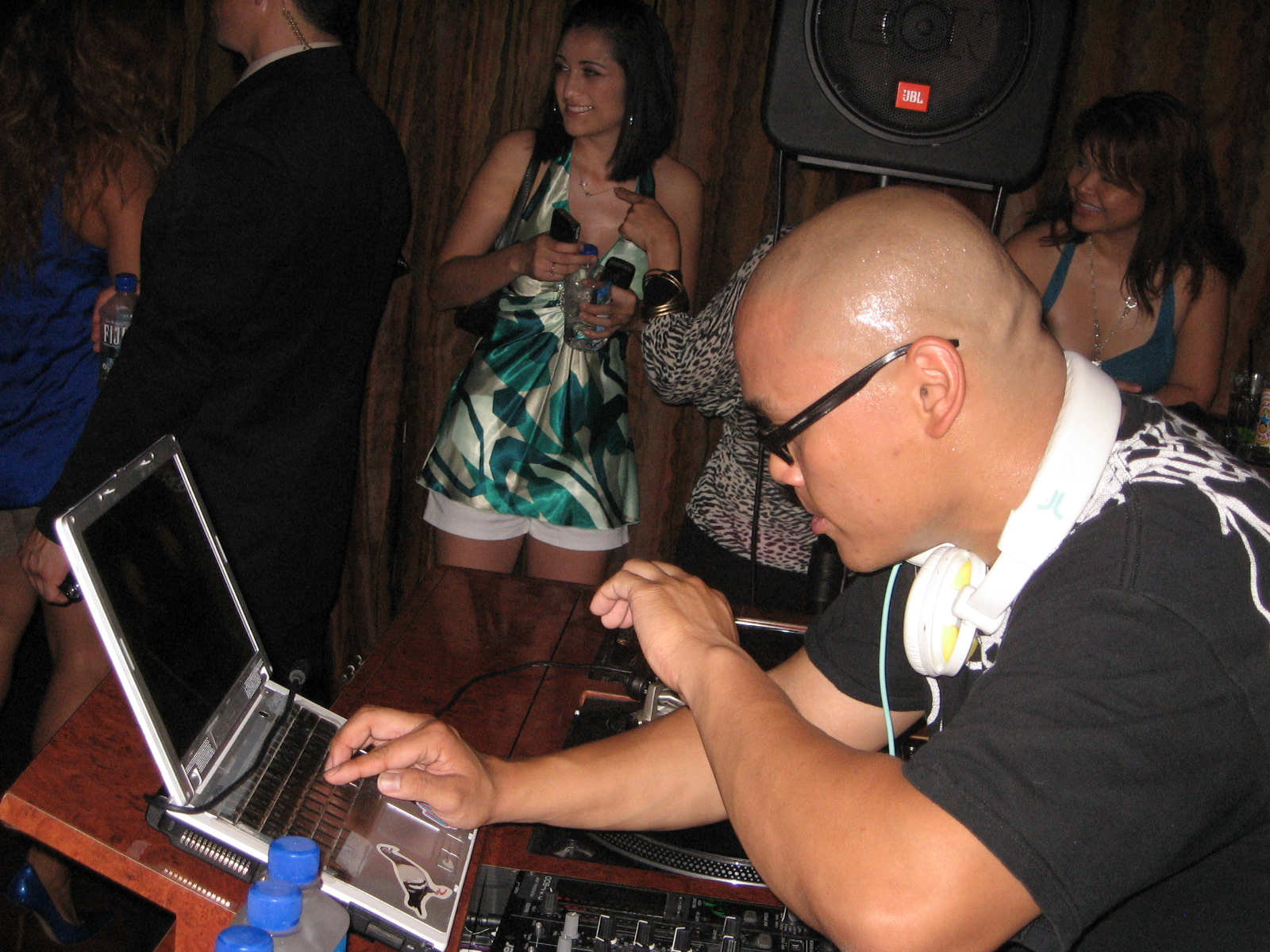
I’ve been clearing out photos from an old laptop and came across this 2008 snapshot. Many southern rap fans probably know TV Johnny Dang from his appearances in Slim Thug or Paul Wall videos. I talked to him for this piece I did back in ’07.

Looking at this photo again, though, TV reminds me a lot of an acquaintance, OC Weekly writer Gustavo Arellano. Not sure this qualifies as a “separated at birth” post. You decide.

Gustavo, as you can tell from his column and complete grip on  the OC immigration debate, is a Mexican journalist. TV Johnny is Vietnamese jeweler to southern rap stars. The thing they both share, other than having parents who were born in other countries, is being very successful in what they do.

The jams before Whitney

How did I miss this mixtape?

New Edition was part of that soundtrack to your childhood and early teens, flowing perfectly from elementary school radio pause tapes, to middle school dances. The first time you probably slow danced was to  “Can You Stand the Rain,” your hands high enough around your partner’s waist to be respectful.

That’s if a fight didn’t cut the night short for everybody.

Continue reading “The jams before Whitney”

Sublime visions of LBC

I’ve lived in Long Beach, California on a couple of occasions. Once in 2002, and again, from 2006 to 2007.

When you mention Long Beach, people always want to mention Snoop. But I think you have to look outside of hip-hop (and the Rivera family) to really find some of the best music that Long Beach produced; Sublime.  A recent roadtrip and a random mixtape reminded me how great a band they were. Check out a discography, here.

Continue reading “Sublime visions of LBC”

A Night With El Pinche Brujo

When I first heard El Pincho Brujo in his video for ¨Guadalajobru¨, an ode to his state´s top ranked soccer team and hip-hop lifestyle in Guadalajara, I thought I was hearing something special.

I didn´t realize regional Mexican rap had such a strong representative outside D.F. This guy, who came out of the Jalisco graffiti scene, hustles. ¨Brujo¨by the way, is the masculine for ¨witch,¨ and ¨pinche¨ as it´s used in most parts of Mexico, means either ¨damn¨, or  the adjectival ¨fucking¨.

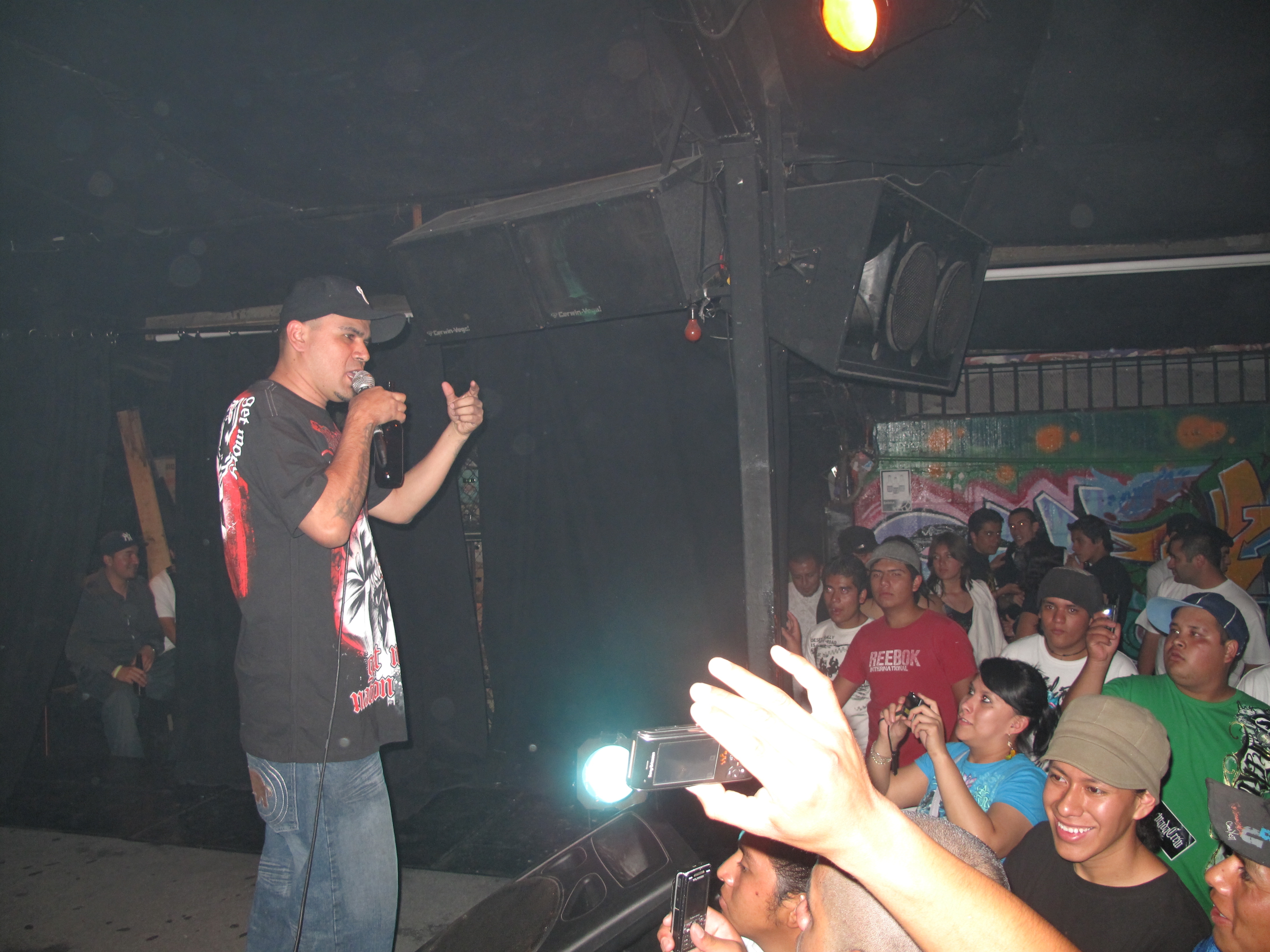
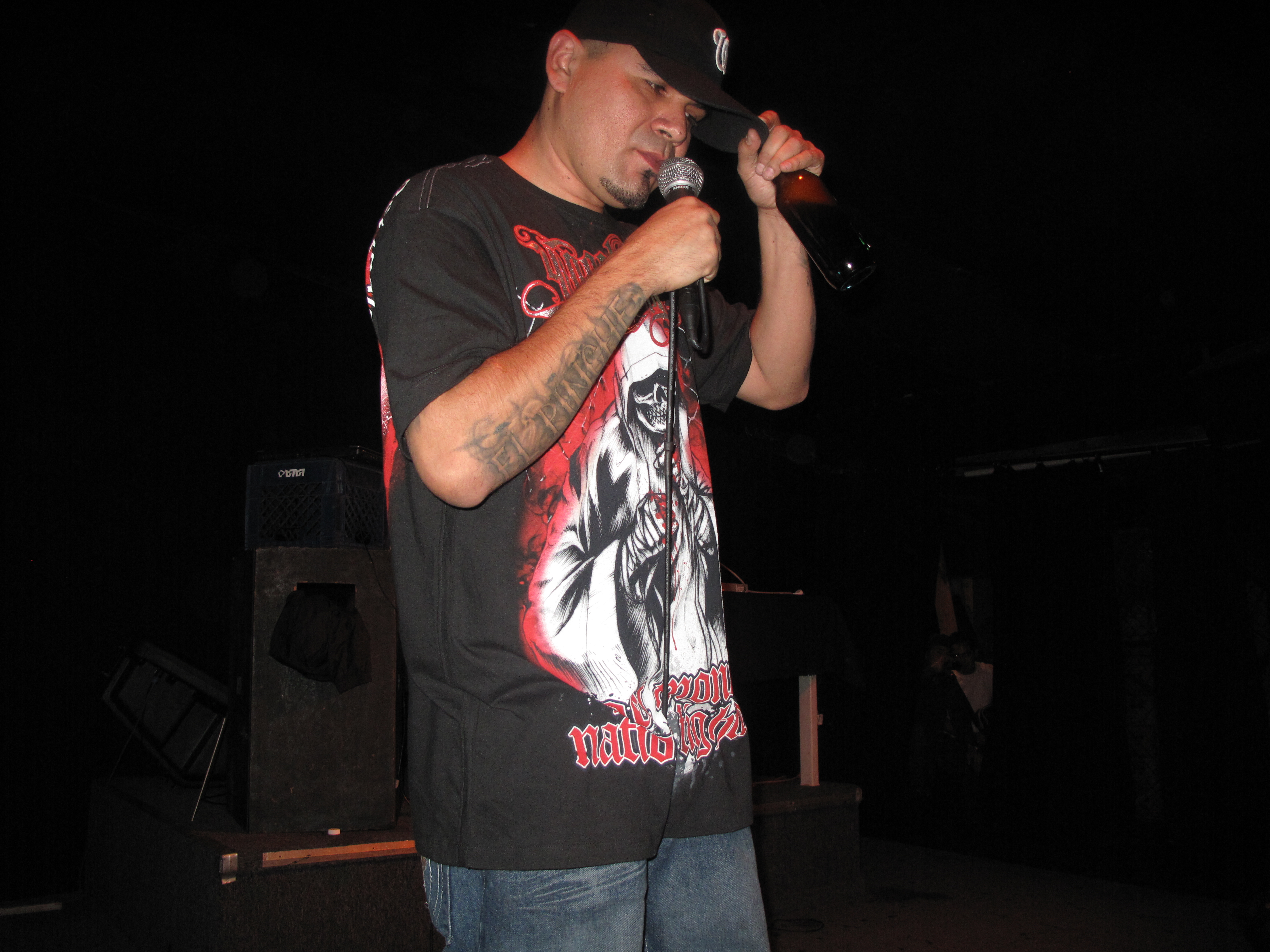
On a Saturday night late last month Brujo showcased his skills. No DJ. Just him, a beer, and roomful of teenagers and curious hip-hop fans. He even took shout outs for rugged spots like Chalco and Iztapalapa.

He prowled the stage in mock drunkenness.  Hitting his rapped punch lines with a nasally flow ala B-Real, but with more bass in his voice. A few times he mentioned the drug cartel devastated Ciudad Juarez. But only got as deep as saying, ¨Man….Juarez.¨ Of course what more could he say?

On a sidenote: El Universal, earlier this year, did a good video report on hip-hop in Juarez. (via Red Barrio)

I´ve been told by one Monterrey performer that drug gangs are known to ¨tax¨ performers sometimes for their show money. It´s rare to hear the type of drug trade braggadocio here that litters U.S. rap.

Nedman Guerrero performed about an hour before Brujo´s midnite set.  One of Mexico City´s more practiced MCs, his style is strictly based in the old school New York-flavored street rap. Learn more about him in this interview (in Spanish) with the Grita Rap blog.

Continue reading “A Night With El Pinche Brujo”

Google Video pick of the week #005

FMX Closing night featured Nortec Collective (March 28, 2010 Mexico City)

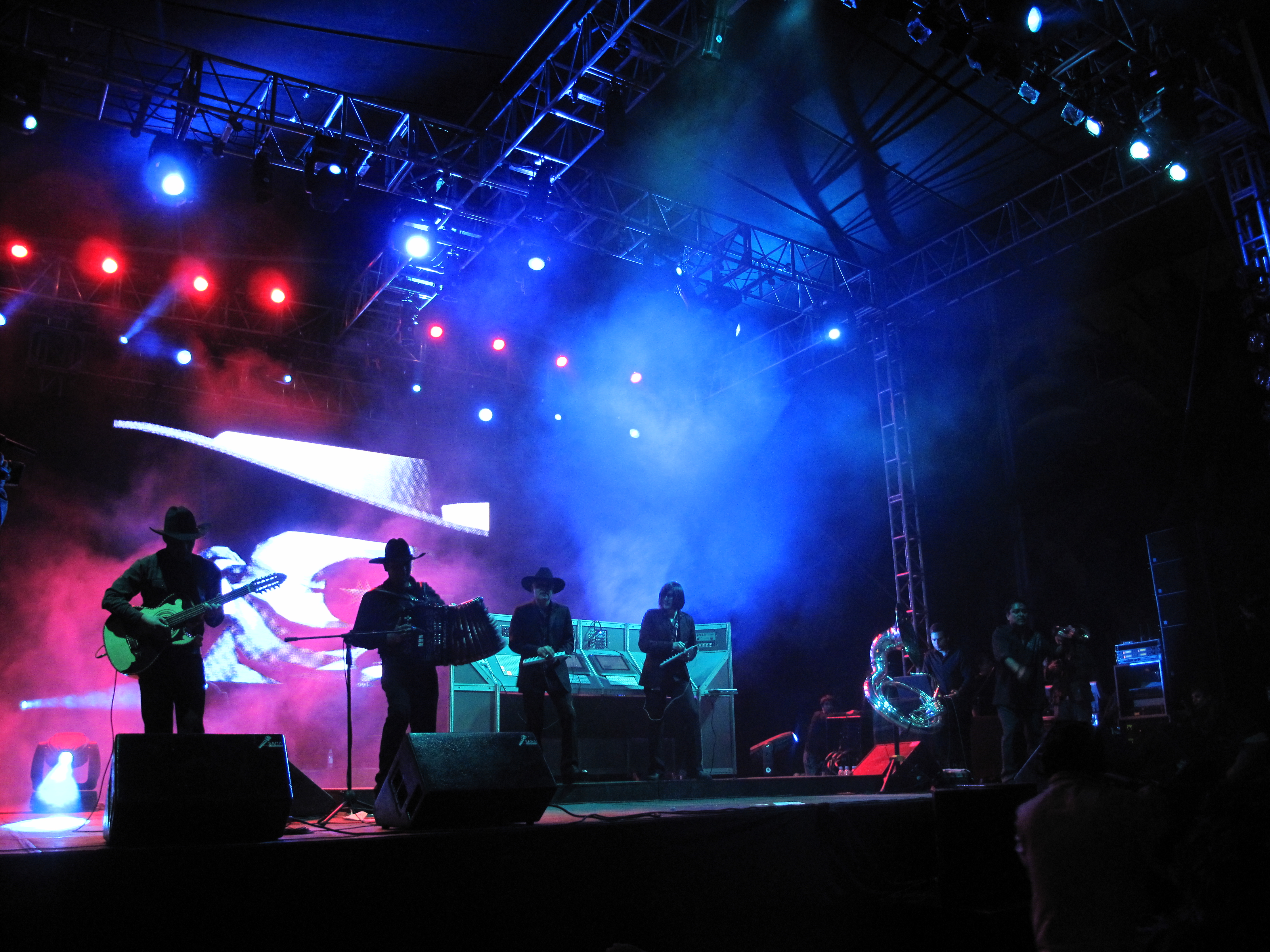
At one point during an unseasonably cold and windy Mexico City evening, the video monitors behind Nortec Collective showed some animation that resembled a Kraftwerk video, except the guys playing the machines had mustaches and Norteño style cowboy hats.

An appropriate nod to their forefathers in electro experimentation. Here´s video from Sunday night.

This week´s Google Video is a smart documentary all about how 3 young Black men channeled the cold, rust and depression of 90s Detroit into techno, Europe´s millenial music.  Of course, for me, techno used to only remind me of vampires in a club.

Google Video pick of the week #004

¨Dream is Destiny,¨ precedes one of the first beats in Richard Linklater´s 2001 animated feature Waking Life.  Since I´m headed to SXSW in Austin, I figured I would post about this movie, which is so imaginatively rendered, and made by a writer/director best-known for catapulting Austin slackers into the film-making limelight.

Linklater, who in some of his older pictures, and with no facial hair, kind of reminds me of  a young Richie Sambora, was the poster boy for the indie film era that spawned (Jersey´s most visible movie director) Kevin Smith. And he has a resume as respected as any mildly successful Hollywood movie guy. Most of his films find niche audiences, but he´s made at least one movie everyone saw, School of Rock. His last movie, about Orson Welles, got good reviews.

¨Waking Life,¨ was one of two animated features the Texas director managed to bring to the screen. It uses a technique called ¨rotoscoping.¨ According to this Wired piece, ¨artists digitally trace over some frames of live-action footage by hand with a Wacom pen and tablet,¨ to create the trippy effects.

You can read a Web Q&A with the director, where he mentions some of the music he likes: ¨Duke Ellington and Bunny Berrigan and Fats Waller…¨ (via Empire Online).

Must See Factor: 5

Best Reason to See It: It gets kind of deep and existential in places.

Best part of the movie: The part where the guy gets shot.

Manny Pacquiao of DJs

XXX

Pac Man proved his dominance again this weekend. According to the New York Times Manny´s pull on the Filipino people is such that even the gangsters take a break on a Pacquiao fight night. He´s the first from his country to be such a huge international cultural icon. Before him, who were the heroes little Filipino boys and girls looked up to?

For kids wanting a career in music, perhaps Neil Armstrong is someone to take that title. Filipino Djs, especially those from California ( Neil reps NY) are really holding together the art of turntablism, party deejaying and hip-hop mixtape culture. Neil even spoke against the RIAA pressure on the mixtape industry some years ago.

DJ Neil ¨Armstrong¨ Rodriguez, is  a New York-bred DJ who rose up in the turntablist competitions ruled by the Bay Area.  He started taking turntables seriously in the mid 90s after earning a chemical engineering degree, and has been growing more ultra-successful in the last 5 years.

There was this gig as tour DJ for Jay-Z for several years, (here’s a Q&A I did with him in the Spring of 2008), which led to deejaying gigs in China during the Olympics. He no longer tours with Jigga, but has a nice job as spokesman for the Adidas/Star Wars campaign. He also released a free mixtape this month that´s dedicated to Jay-Z.

Rodriguez has crafted a mixtape ouvre that’s taken the concept of a  Ron G “blend” tape a lot farther than maybe it was supposed to go. His mixtapes tap into raw nostalgia at times, and sometimes just hinge on an emotion. Check ¨Warmfuzzy¨.

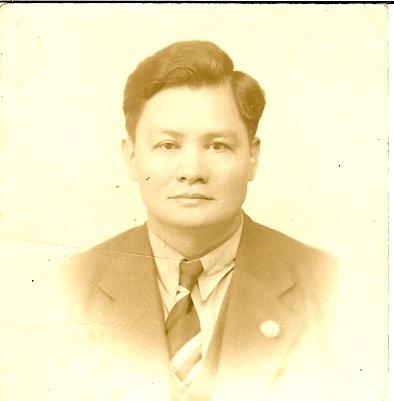
I´m not Filipino, but a Filipino national who immigrated to Newark, NJ, during the turn of the Century did marry into my family. This is him below. I´ve heard he was good at martial arts, but that could´ve been a stereotype passed down through the generations. He was known as ¨Pop¨.

To hear more Neil Armstrong mixes, check out a mixtape/soundtrack to travel he did. The excellent classic rock filled “Extraordinary” mix, part of his All Out Kings series. And also check out his updated podcast page, where you can hear his “Warmfuzzy,” mix. Hear this mix from L.A.’s The Do-Over.

Continue reading “Manny Pacquiao of DJs”