
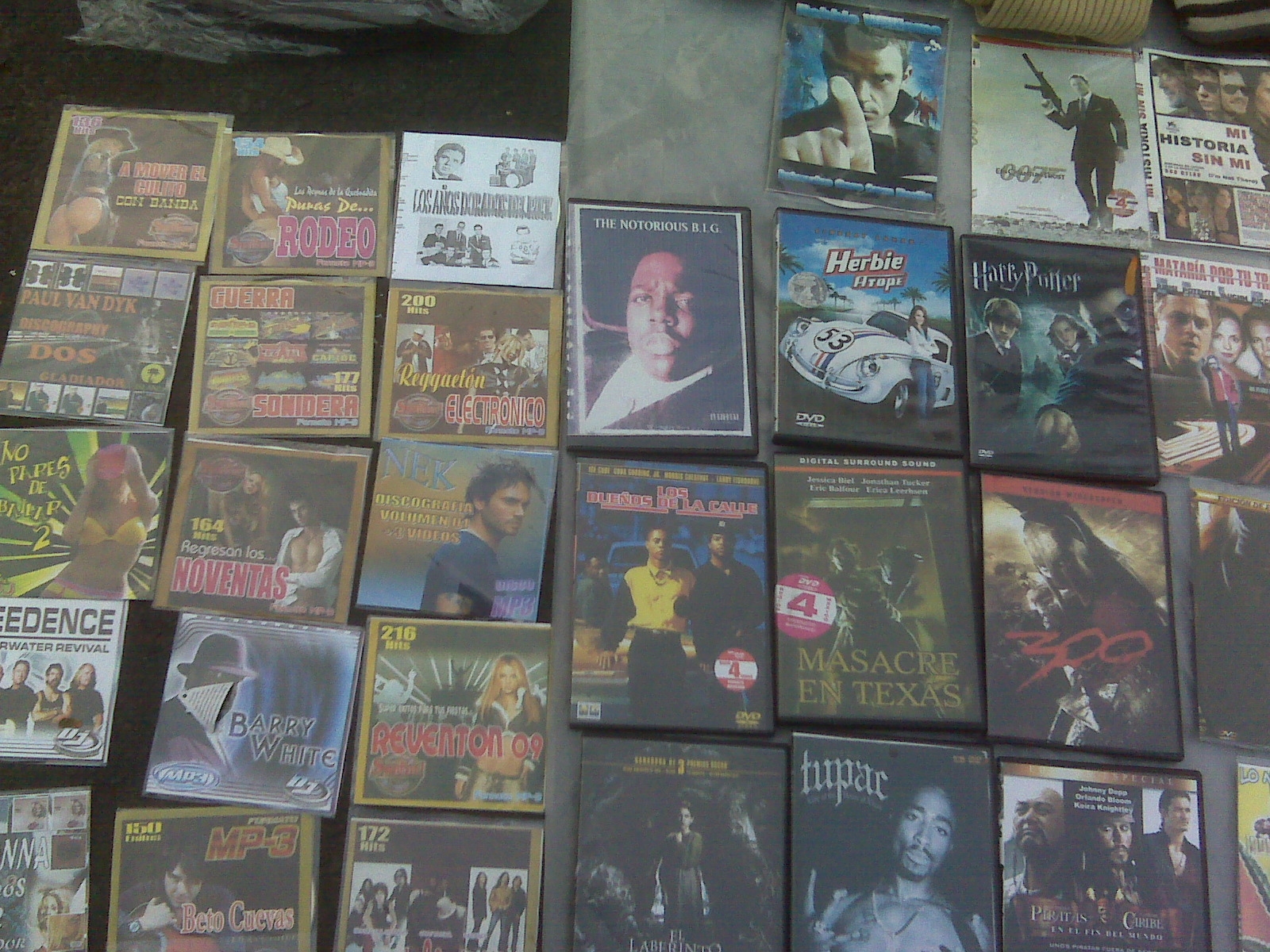
A hail of bullets ended his life on March 9, 1997.
Biggie DVD on sale at Mexico City´s El Chopo market.
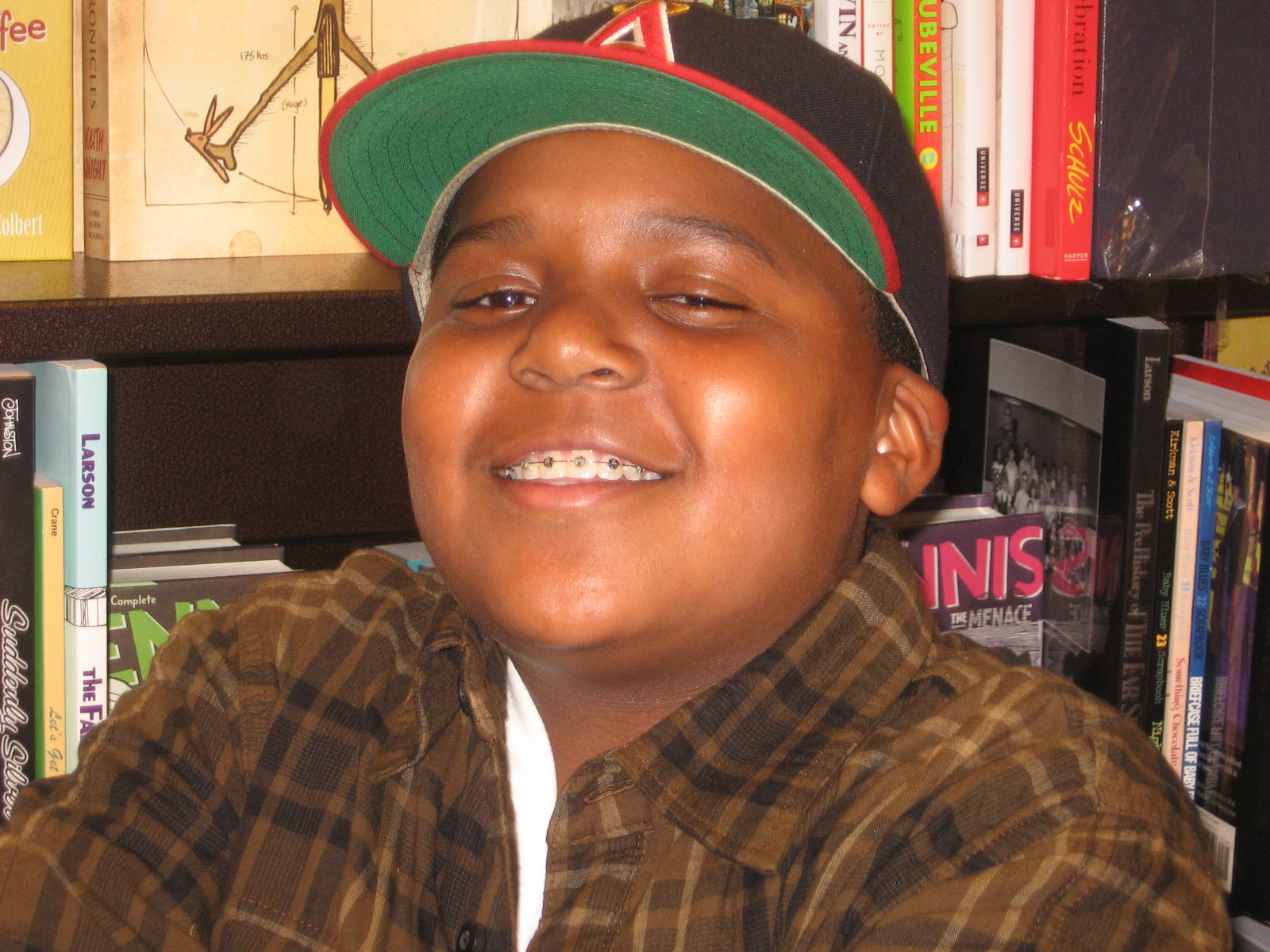
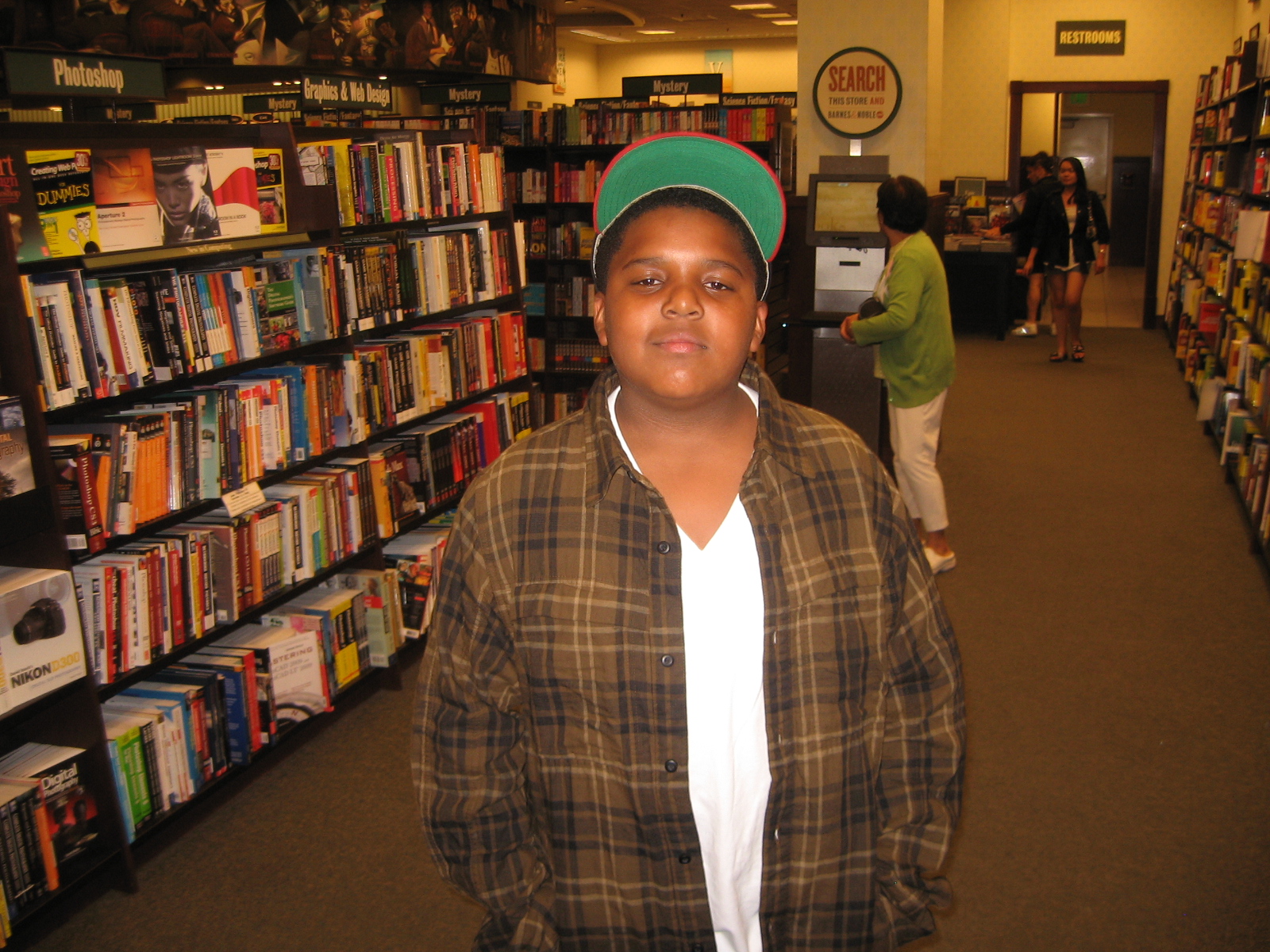 C.J. Wallace, B.I.G´s son. Photos taken at Barnes and Noble at the Grove in Hollwyood, 2008.
A hail of bullets ended his life on March 9, 1997.
Biggie DVD on sale at Mexico City´s El Chopo market.
C.J. Wallace, B.I.G´s son. Photos taken at Barnes and Noble at the Grove in Hollwyood, 2008.
XXX#
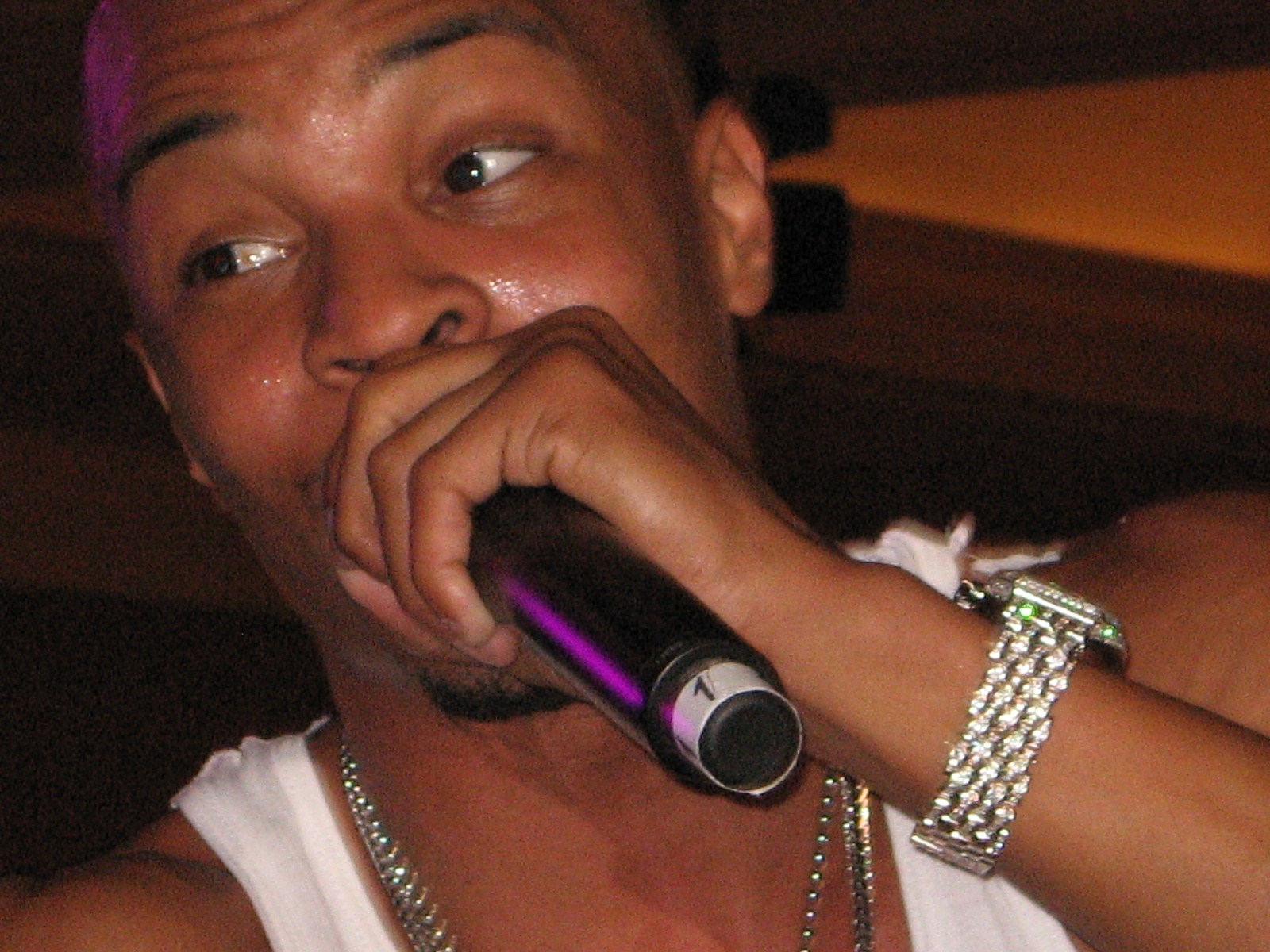
You can stream and download T.I.’s out-of-jail track, “I’m back.” Atlantic Records, in hopes that an incarcerated Gucci Mane (or Lil Wayne) doesn’t snatch all of T.I.’s thunder, had their star southern rapper take media calls yesterday, fresh out of a stint in prison on federal weapons charges. Rappers and guns, rappers and guns. One of my first published stories was a co-byline on a piece about “Naughty by Nature” getting caught with guns.
T.I., wasn’t in trouble for “a” gun, but several. I bumped into him at the fashion industry convention called MAGIC in 2008.
I always like to point out to people the connection T.I.’s global success has to New Jersey. The Great Migration meant a cross-roads such as Jersey would always share a connection with the lands across the Mason-Dixon, including T.I.’s home state of Georgia. But to have this link represented in contemporary pop culture, I mean … that’s what Sinatra lived for. So, what’s the Jersey connection to T.I.?
Jason Geter. As legend has it, Geter was a guy from Montclair, who discovered T.I. in a barbershop, after he moved to Atlanta to stake his claim in music. An internship and a front-desk job later, he struck gold.
He now not only manages the Bankhead rapper, but also runs his Altantic imprint, Grand Hustle records. He even got his 15 minutes of TV fame when he did a co-cameo on HBO’s “Entourage,” above. You can read more about Jason and see pics, here.
 XXX
XXX
Furthering the N.J. connect, T.I.’s Akoo clothing line got some free publicity in the states biggest city, Newark. A billboard put up down the street from my high school was thought to be too suggestive for the people ambling through Downtown.

I was reading another solid post by my man Daniel Hernandez yesterday, over at his always rich Intersections blog, talking about COLOMBIANOS of Northern Mexico. Months before, Vice magazine enthralled me with a piece on Cholombianos. Basically, cholos who rock to salsa cumbia and bite Colombian style.
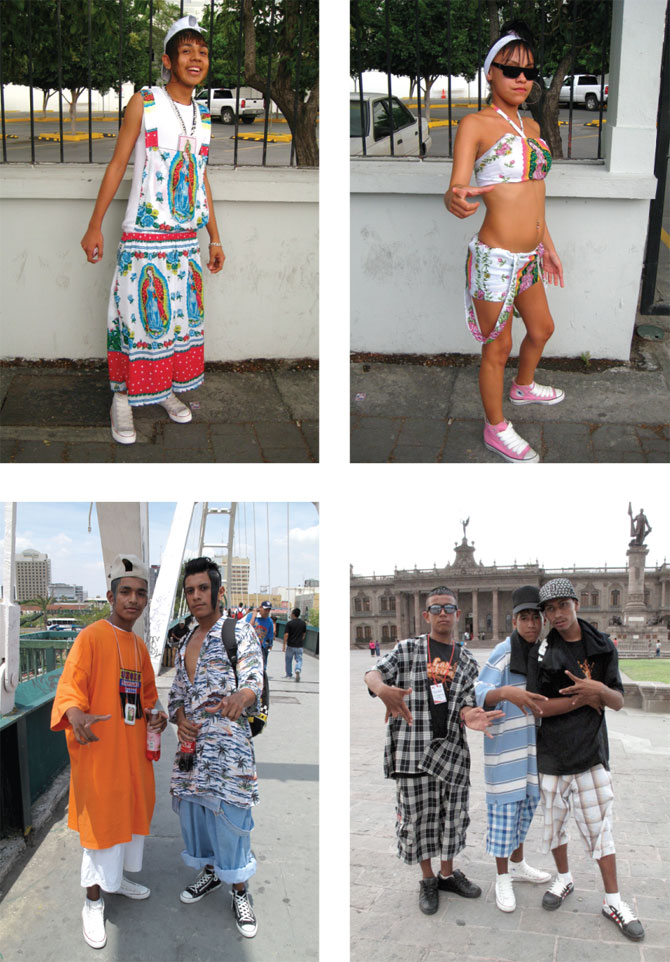
Noticing a discrepancy in his spelling of the term, my inner copy editor screamed out, and I commented to my boy that he had it wrong: It’s “Cholombianos.”
No. He wasn’t wrong. But, yes, we’re both right.
To clear this up, I shot an email to Toy Selectah, pictured up top, who was mentioned in the piece. I interviewed Toy at last year’s SXSW for a piece on Niña Dioz. She was his protegé at the time. Toy, a veteran of the music business for about 15 years, helped create Mexican hip-hop. He’s the oracle for all things Monterrey, hiphop, cumbia and Mexico DJ culture.
Says Toy, via email:
“Colombianos” or “Colombians”, here in Monterrey, is definitely referring to the cholo colombian style. “Cholombianos” is just the combination of words to explains these guys looks. Like a typical Monterrey cholo, his aesthetic is being a Colombian wanna-be!!”
For more Toy Selectah, check out this hour-and-a-half long interview he recently did with Red Bull Academy.
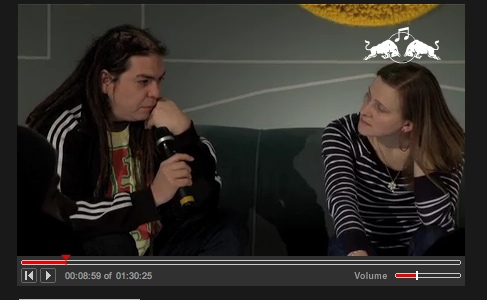
He talks about hip-hop in Mexico and the rise of reggaeton …
“What is interesting to me is that it’s a genre based on a PC and a Fruityloops program.”
He also says “ghetto blaster” during the interview.
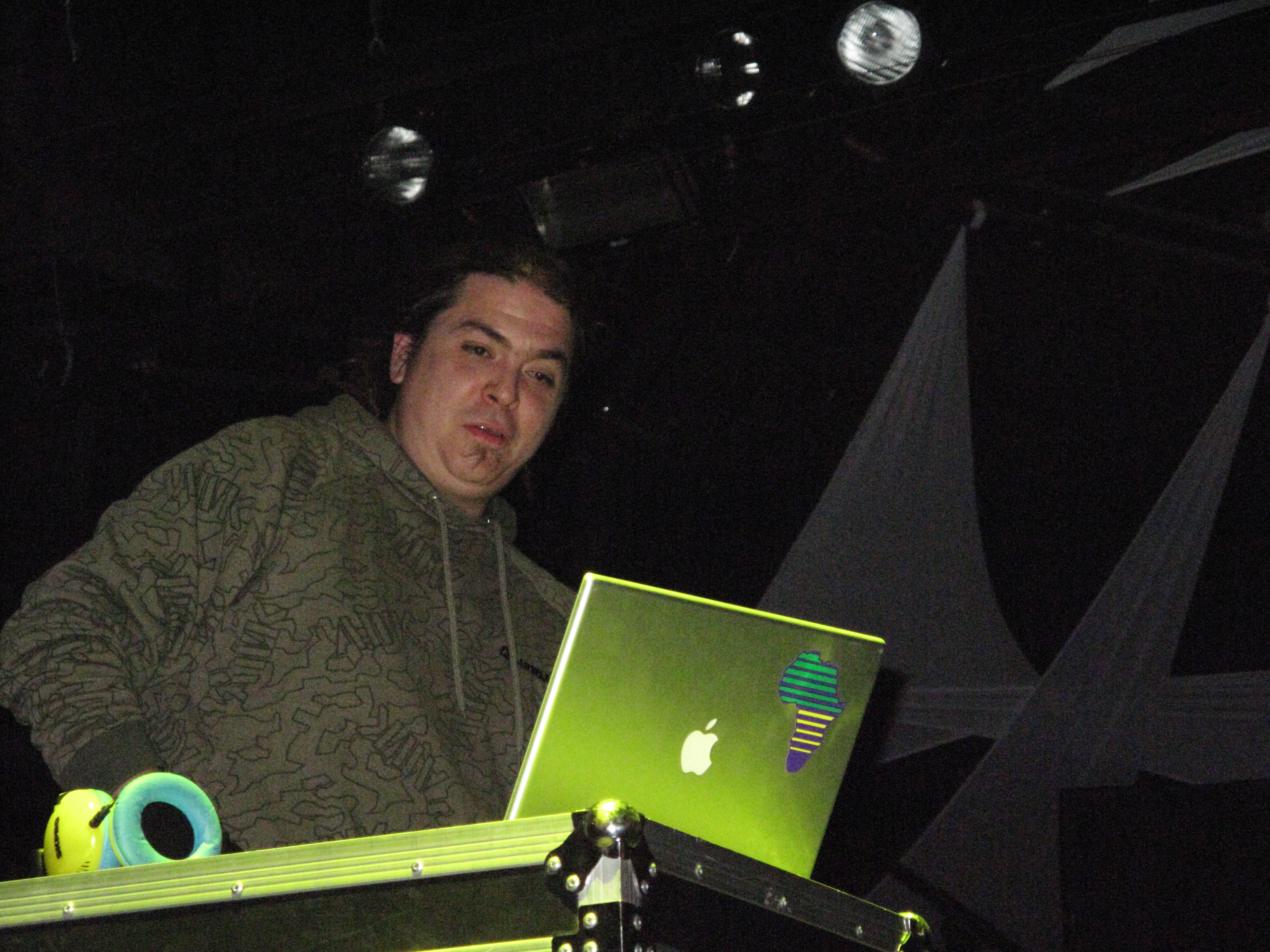
Toy Selectah mixes you can stream now:
Toy Selectah Mini-Raverton Mix (www.sistemalocal.org)
Top photo by Deanna Dent.
XXXX
XXXX
There hadn´t been a fatal animal attack story in the news for a while, which is why Tilikum´s killing of his Seaworld trainer last week dominated the headlines.
For me it brought to mind that terrible exploitation movie Orca (1977). And renewed international interest in the debate about captive animals who, like humans, probably don´t take very well to incarceration.
But the issue is more about the exploitation of captive animals for our benefit. A beer company used to make money off of Shamu, and when the theme park business stopped making much money, it was sold.
I´m sure this caused some headaches in the boardroom of the Blackstone Group, too, which had just purchased Seaworld from that beer company just a few months ago in a $2.7 billion deal. Business, before the accident wasn´t so hot and according to the Wall Street journal, the acquisition was
…the largest private-equity deal of 2009 and one of the largest since the financial crisis began more than two years ago.
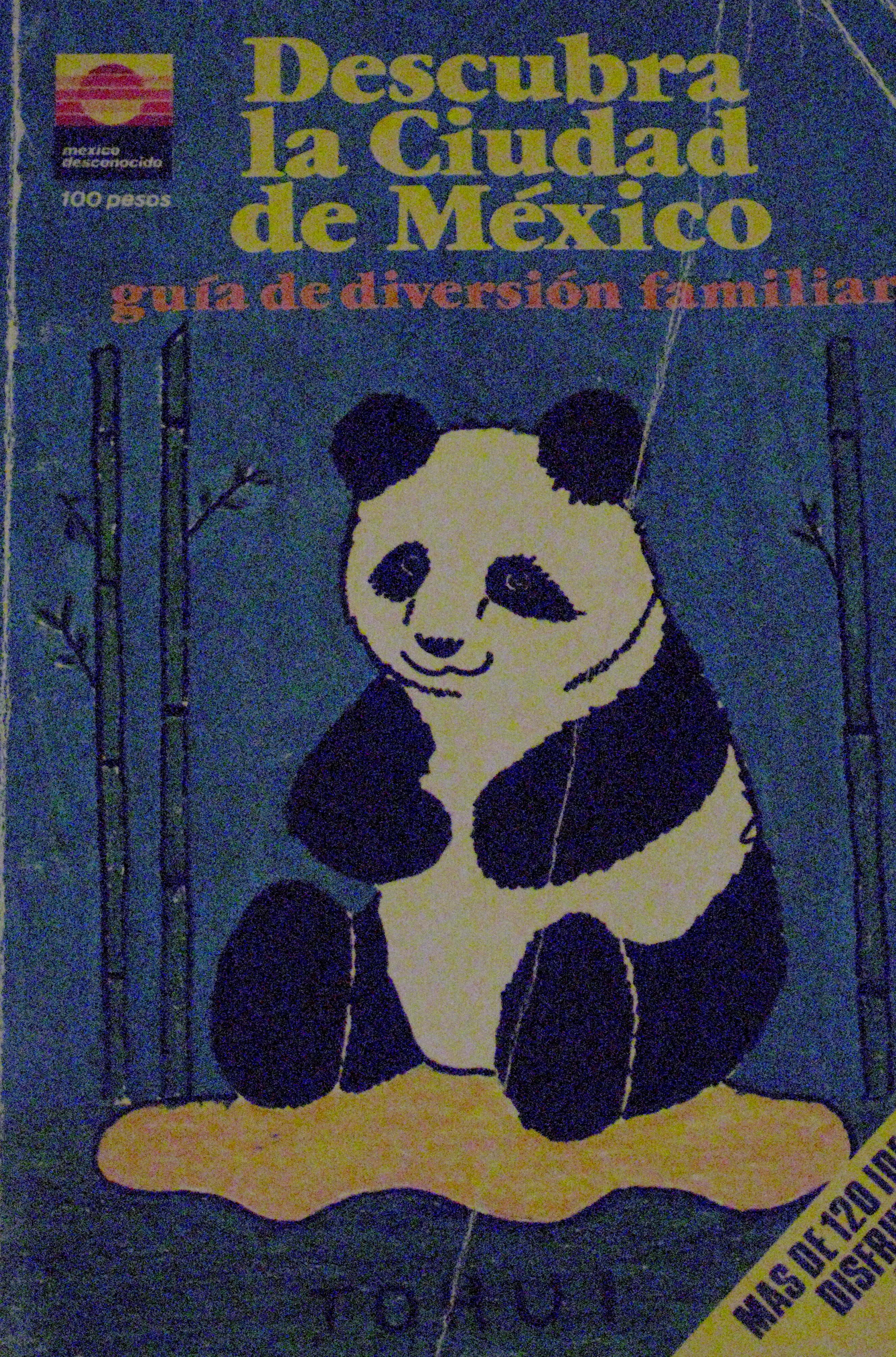
On a more personal note, this incident recalls my 6th grade trip to the New York Aquarium in Brooklyn, Michael Jackson, the tiger mauling in San Francisco, Bo Derek and Tohui, the Panda of Chapultepec Zoo.
Tohui, which in tarahumara Nahuatl language means ¨child,¨ became something of a pop culture phenom back in the 1980s here in Mexico City. On a global level, it was the first time, outside of China, that a giant panda was born and lived in captivity. Mexico has one of the most successful panda breeding programs in the world.

The panda was a sensation, becoming the city´s mascot and main zoo attraction, and also a marketing wonder, with an anime movie and a hit pop song.
xxxxx
The song, ¨El Pequeño Panda De Chapultepec,¨ (1982) was a huge hit for Yuri, a singer from Veracruz who first came on the scene with a solid Spanish version of Debby Boone´s ¨You Light Up my life,¨ you can listen here. Yuri is considered one of Mexico´s greatest pop stars. Appearances in Playboy (rather tame, but you can see here, here and here) led to her being dubbed the ¨Mexican Madonna,¨ something that inspired U.S. tabloid media.
XXXX
XXXX
UPDATE: 3/3/10 Guru released a statement saying he is recovering.
Rap blogs are all over Guru´s hospitalization. The rapper, once known as MC Kiethy E, seemed to have had a busy touring schedule and just released a free album online. Gang Starr´s music, for us 80s babies, was part of our high school soundtrack. Guru´s voice helped you deal with break-ups, your own inner demons and the proverbial streets.
I remember him as one of the first rappers to claim one place while being for another. In the rap world, where authenticity is necessary, he got a sort of pass I don´t think a lot of rappers claiming Brooklyn could have gotten away with. He clearly raps with a Boston accent on so many records.
Author Mickey Hess actually analyzes Guru´s hometown mentions in a blog post. In it, he´s addressing concerns from an editor about Guru and the early Boston rap scene. The exchange concerns Hess´book on regional hiphop.
Looking at this data confirms my sense that in the early years Guru used New York (and particularly Brooklyn) as his rhetorical home base. While it resolved my editor’s question, it doesn’t speak to the deeper (and perhaps more controversial) question about how Guru’s Boston references compared to those of other early Boston rappers.
Guru was never my favorite solo rapper, it was his pairing with DJ Premier that made hip-hop magic. Even he admitted it was ¨Mostly Tha Voice,¨ that created his appeal. Still, a rapper way past his prime, Guru was one of the bold names among rap´s golden age in the 90s, plus, he introduced so many of us to French rap (as seen in the video above).
As hiphop fans we forgave him for the breakup of Gang Starr and forgave him for trying to act, and it was mostly because he was an artist with so much classic material under his belt.
For more on Guru check out this Rolling Stone article on his third Jazzmatazz album, 10 years ago; audio interview from last summer with the Philaflava blog; download his free album, ¨Guru 7.0 – The Street Sciptures¨ and for Spanish speaking rap fans, here´s why Guru ¨He llevado el hip hop a otro nivel.¨

In 2006, after reading online that Dr. Dre had a son recording tracks under the name Hood Surgeon, I got the hair brain idea I would find him and write about it for the L.A. Times.
It was an experience that gave me some good practice as a reporter. I tracked him down all the way to a home-built recording studio in Corona, CA. I also got a hold of his sister, Manaj, who was also trying to become a recording artist, charging that her bloodline to Dr. Dre gave her the right. Both were telling me that dad wouldn´t help them get on. Worst of all, after I did all the interviews and running around and writing, nobody wanted to touch my work, either.
A couple reporters at the paper tried to help me out. Zilch, nada. Nobody cared about Dre´s offspring. All they cared about was, ¨When is Detox coming out?¨
So, here I present to you gentle reader, in all of its unedited, 2006 glory my never-ran story on Dr. Dre´s two kids. Enjoy
¶ Inside the tiny recording booth, above a custom detail shop in the Inland Empire, a young man, at least 6’2, raps into a microphone. His back to the Plexiglas partition, he rhymes fiercely. Starting and stopping…assuring clarity in ever phrase.
“Stop. Go Back,” says the recording engineer, Rik Brown. “Hear the kick?”
It’s a process that takes longer to complete than one would imagine. How hard is it to rhyme into a microphone?
Using the moniker, “Hood Surgeon,” the rapper, born Curtis McClemore (he likes to tell people it´s young, but CA business records show otherwise), needs a deft hand to continue a legacy that has defined rap music in the West.
A fan of 90’s rap music, McClemore says he always was a fan of N.W.A’s music, but he also held admiration for East Coast rap. “I ain’t gonna lie, I grew up on Wu-Tang. I used to like how they put their lyrics together.”
“I thought the East Coast was the ones. Then when I found out,” he says referring to when his mother told him who his famous father was, “I was like, ‘the West,’ this is where it is.”
He said as he delved into the music characterized by the G-Funk sound made so famous by his father.
It was a zeitgeist for him, at 12, finding out he was Dr Dre’s first-born, “It pushed me harder. I said I was going to meet him one day.”
Long Road to meet his father
To the left of a flat panel computer screen showing Pro Tools rests a picture with a thin black frame. In it, Dr Dre stands next to a slightly taller version of himself, Curtis. It was at the “8-Mile” premier.
The picture shows a strange mix of nervous familiarity, and in some way resembles the kind of unfamiliarity a fan might share with his idol. It also exists on his myspace page. Further proof that he is who he claims to be.
Unlike his half-sister Latoya Young, who says that she’s always known who her father was, “Since I was 3.”
McClemore, who likes to say his last name is Young, didn’t meet Dr Dre until he hit legal drinking age.
“It’s like crazy growing up, not knowing who your real dad is, ” he says.
From his early 20’s, Dr Dre has documented his gritty upbringing on the streets of Compton. A founding member of seminal gangster-rap collective, N.W.A, Dre is often credited with creating the ever popular West Coast ‘G-Funk,’ a synth-heavy sound with a deep bass line that recalls the beauty and danger of California life.
McClemore, born in 1981, would have been born when Dre was 16.
Continue reading “Chasing the Hood Surgeon: On finding a son of Dr. Dre”
|
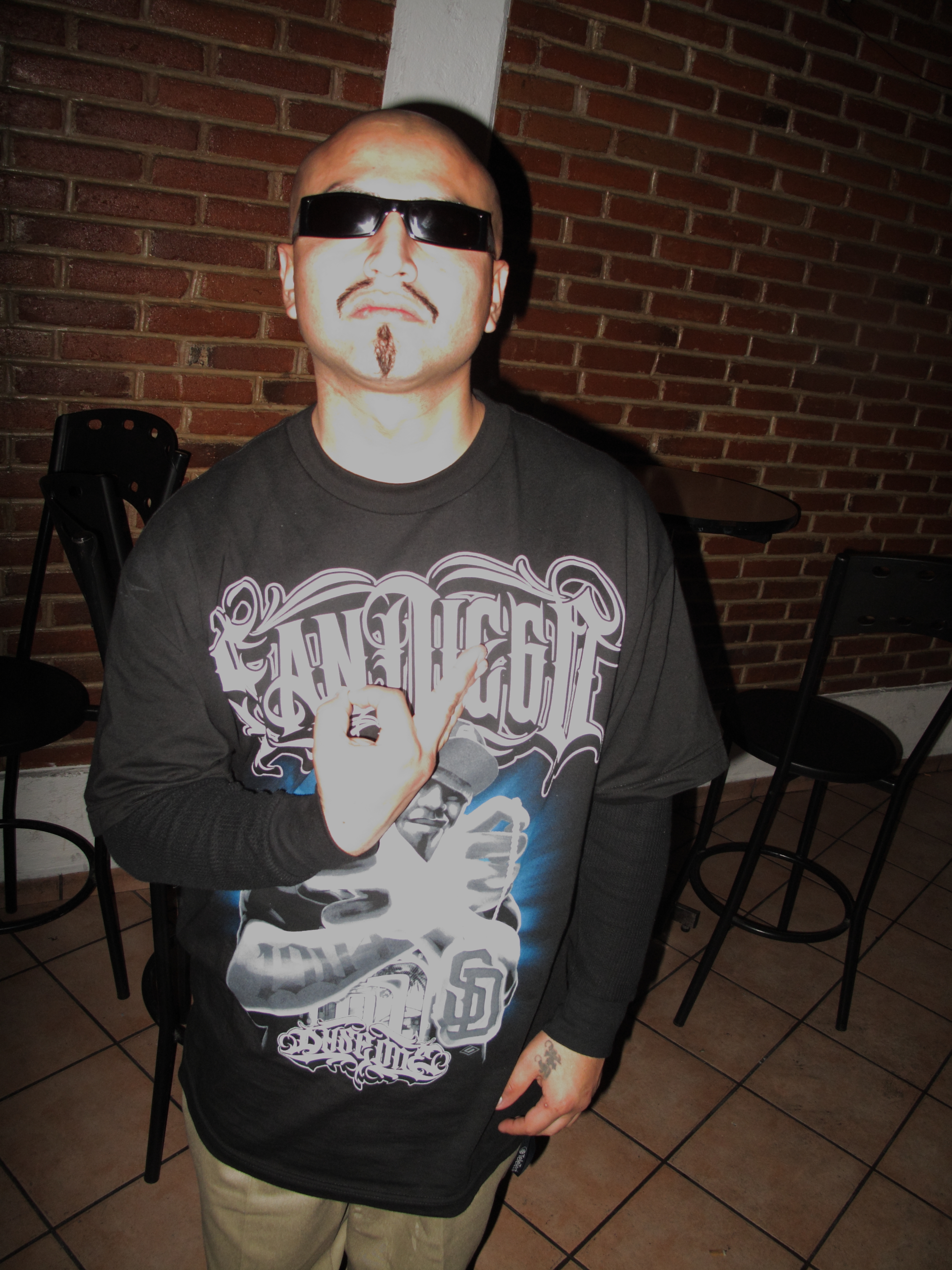
Lord Mzderio was deported to Mexico from San Diego last year. He wouldn’t elaborate on the reasons, but told me his aim, now that he was in D.F., was to make it big in the Mexican rap game.

The 20-something performer, who rhymes in Spanish, told me the only thing he found troubling about Mexico City, so far, was that his choices for cholo fashion leaned heavily toward L.A. It’s nearly impossible for him to find Padres stuff. Something gangster that didn’t rep that pinche city up north. He says he’s an S.D. gang member.
We had a quick chat after he performed in a virtually empty hall located at a goth club near El Centro Historico, on Puente de Alvarado in Col. Tabacaleraon, turning it into a rap showcase for Mexico City’s elite underground rappers. Those who had paid some dues.
Mzderio regaled me with tales of being locked up in the county jail, and how he was deported after he got out.
He had just arrived some months ago in the city, and was now living in Ecatepec, about 14 miles north of Mexico City.
What happened to Mzderio is possibly what happened to about 300 people in Texas on Friday.
According to the Dallas Morning News:
So, they say.

Large scale deportations like that are carried out by a branch of Homeland Security called, ICE. It was created in 2003 as a response to 911. Now, it’s part of a plan to rid the U.S. of as many people (“aliens” as they say) from Mexico and Central America, as well as other places, by 2012.
The Dallas piece went on to add:
These ICE tactics seem pretty flawed. The Washington Post goes on to say:
Describing ICE’s mission in 2008, the Newamericanmedia.org said:
Deportations doubled in the last 10 years according to this Medill report. The article goes on to point out that Mexicans are always the majority of the targets.
In Lord Mzderio’s case, whether for right or wrong, he’s here in Mexico now, and can share his passion for writing raps with another generation of Rap Kids, who need role models in a sea of Punks, skater kids, Chavs, Emos, Rockers, Fresas and Rastas.
Not the most aggressive entrance music.
Moby’s “Signs of Love” doesn’t make me think tough thoughts. El Hijo Del Santo has a legacy to live up to, he should really bring it with a little more aggression.
A charged crowed watched a scion of Mexican wrestling royalty one night, last month (A legacy of branding): El Hijo Del Santo. The son of El Santo, who fronted Sunday magazine, “Dia Siete” earlier this month. His series of holds or llaves, which they’re called in Spanish, look straight silly today; not that 50 years ago they looked any more real. It’s just nice to have that flavor, he uses moves his dad taught him probably. There was a family resemblance in that *camel clutch he used to win the match.
update: UK Sun talked to Hijo del Santo in 2008.
Is it true your father is buried in his mask?
Yes, it is true. When he died our first option was not to tell anybody and to keep it in the family but my brothers and I decided it wasn’t fair to keep him from his fans, so we decided to release the news nationwide. For the funeral, it was important for people to see him in his mask as they were not going to see Rodolfo Guzman, but El Santo, so yes, he was buried with his mask on.
*What a perfect camel clutch looks like.

Last year, The Atlantic´s Ta-Nehisi Coates gave a wonderful summation of why we need to recognize a Black History Month, and what´s wrong with the ways we´re brought up recognizing it. We reduce it to a bunch of pictures on class room walls and memorized passages. We need to look at our ancestors as humans not just as heroes.
As this February winds down, our first second Black History Month with a Black President, let´s not forget those who struggled before us. They would be proud of how much things have changed, and how many Black billionaires there are now.
Saul Williams and Trent Reznor, ¨Black History Month¨



 channibalsmith.com

