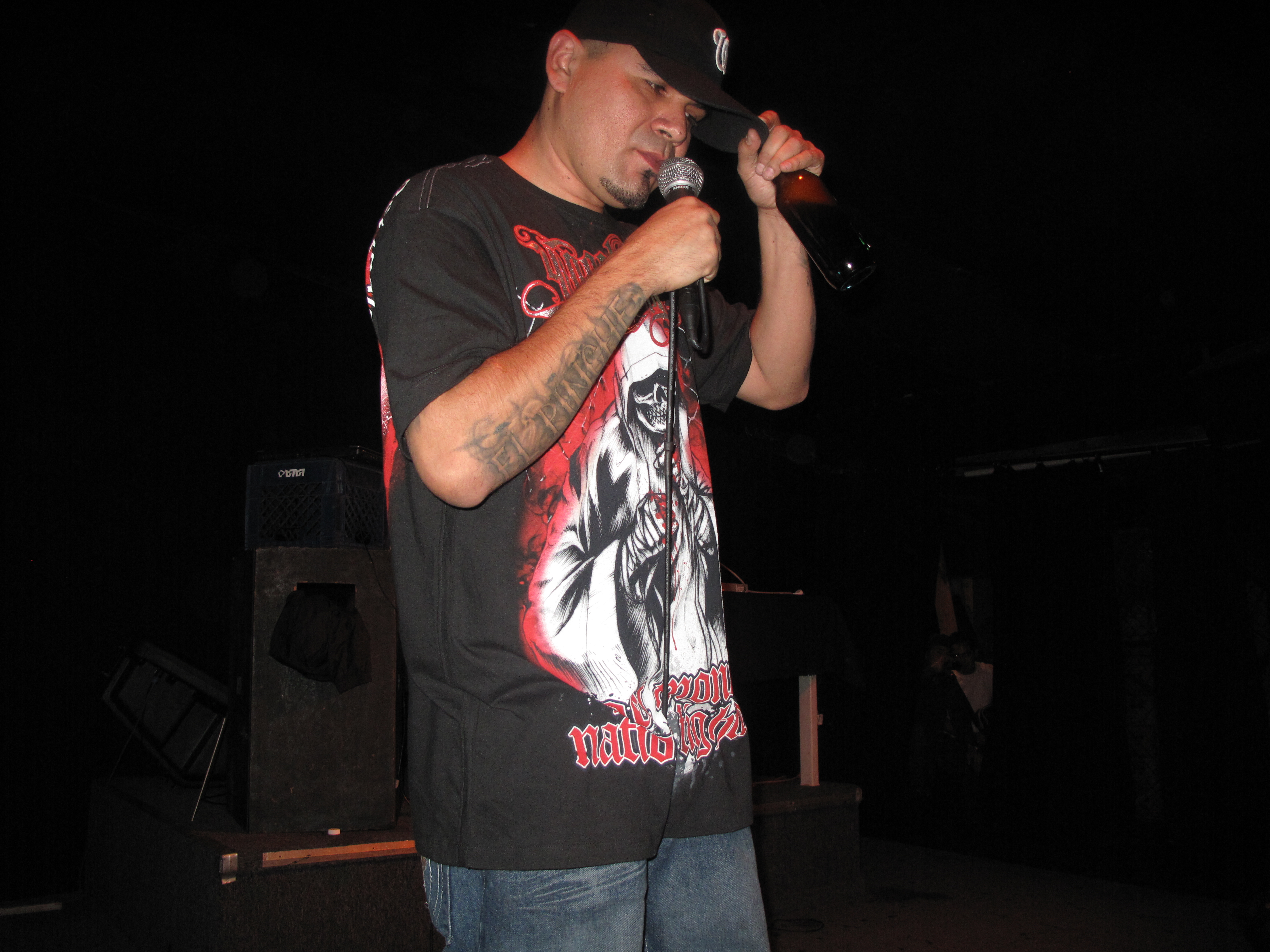
For the Mescudi stans

This slideshow requires JavaScript.

Alright, so WordPress threw this slideshow function into the mix and I plan to aprovechar. Just something for the stans who like my previous Cudi post.

A  little background on the images above:

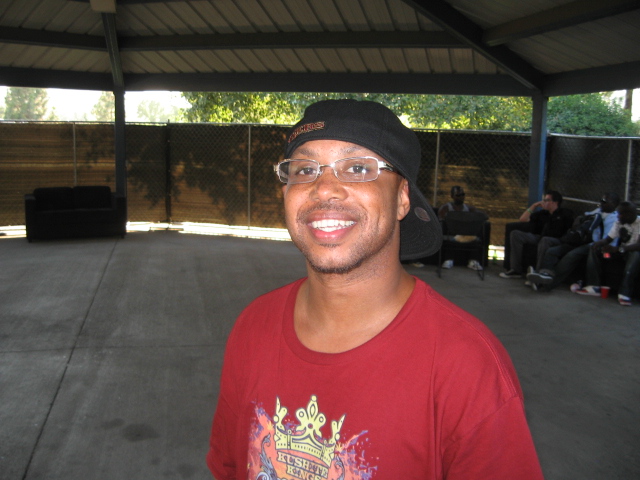
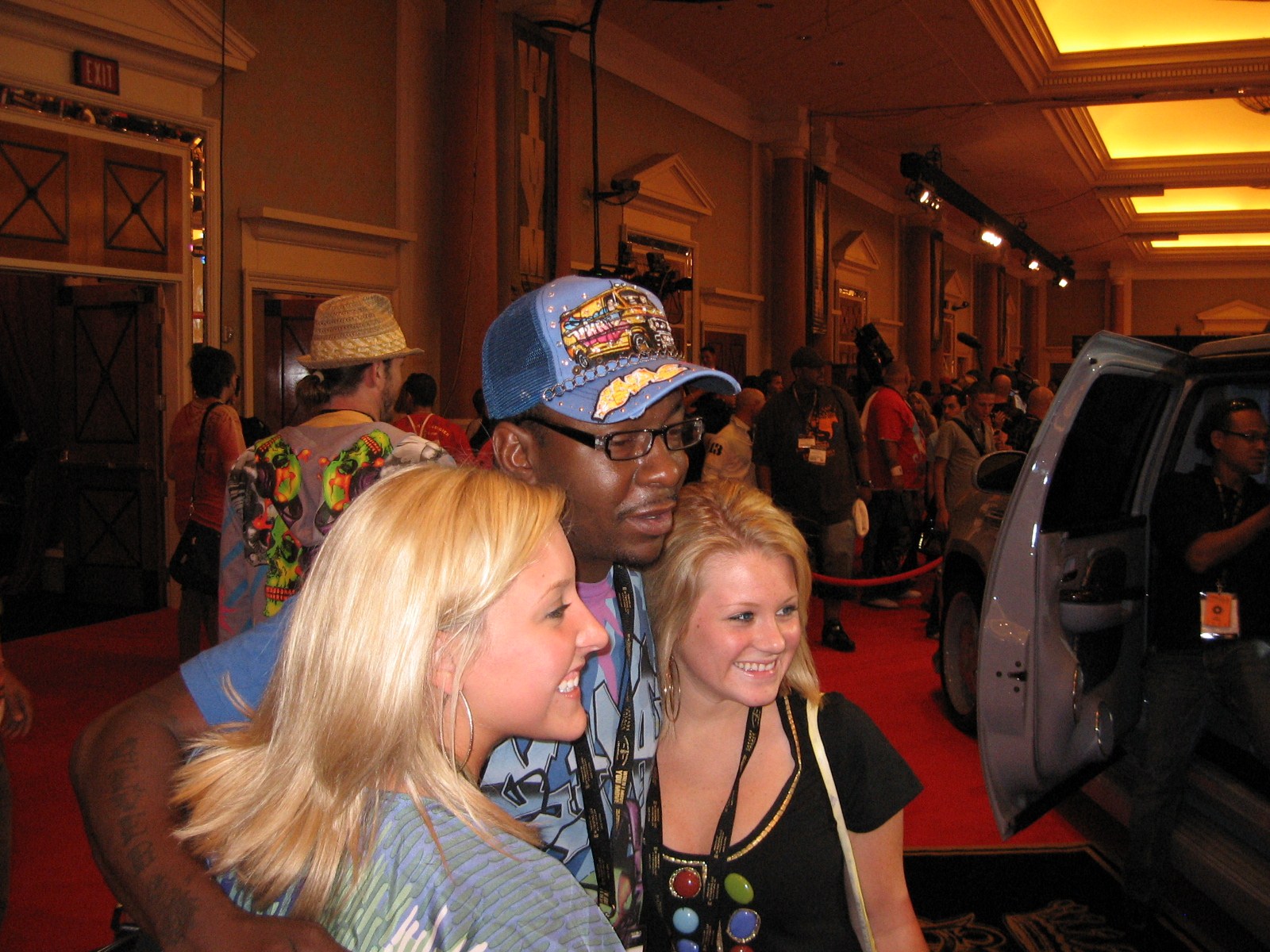
Cudi came to Steve Aoki’s Tuesday night party at Cinespace two Springs ago, along with his manager (and former Kanye A&R)  Plain Pat.  He wasn’t all Baped out at this point in his career. He still rocked The Hundreds.

He was riding the high of having a single that was just beginning to beat up on big city airwaves. He had the silver sneakers on, a bottle of Grey Goose and a friend from back home, now living in the Valley hanging out with him. He was Scott Mescudi.

Onstage, Kid Cudi came out.  He was warming up earlier, in the V.I.P with that bottle of Goose. Plain Pat reminded him of a Kanye warning: don’t get drunk around reporters. It was too late.

Nothing crazy happened, though. Cudi was a personable dude. This was before the record sales and tour, of course.

What I enjoyed about Cudi’s set was that he had a heck of a good time with the audience. He was a little bummed that I was only writing for a blog.  He said he wanted his mom to be able to read it, and that she was too up there in age to be checking for her boo on the Internet. I’m sure, two years later, Scotty gets all kinds of ink.

Outside Cinespace, on Hollywood Blvd., Cudi asked a few people for directions so he could direct his homegirl back to the Valley. Some dude, salty from all the groupie love Cudi was getting, was like “go back to Cleveland–this is Hollywood”.  Cudi, taking a long drag off a Newport, gave him a delayed look, like what you say!? Then Wale’s manager softened the moment by yelling, “White Power.” Weird moment, but whatever animosity there was in the air got diffused immediately.

You can catch Cudi on HBO. Or get your so-called emo-electro rap fix, with about a  half dozen Cudi mixtapes.

Post-race in the Americas

In the week before Obama won his presidency, this guy on a Mexico City roof, above, thought up a great costume for a Day of the Dead party. There were only a handful of people who gave this get-up any pause.

There are a lot of complicated reasons, which I hope to explore throughout various blog posts, why many intelligent people in this country don’t see anything wrong with blackface, or deny racism exists here. As a person whose mother is from South America, and father from Prince Street in Newark, I’m always interested in how Black Latinos view themselves in the context of Spanish-speaking culture, and how those cultures in Mexico, Colombia, Brazil and Spain, view people who are Black.

This 2005 piece from the Boston Review, raises the race issue, starting with the Vicente Fox speech that said Mexicans grind doing the types of work not even Black folks want to do. That, along with the federal government nearly making a postal stamp with this character’s mug on it, brought international attention to Mexico’s apparent culture of racism (which really isn’t that different from what still exists in the U.S., we just hide it way better).

“Criticism of race relations and racism in Brazil, Mexico, the Andes, the Caribbean, and Central America has developed as a natural extension of multiculturalism and identity politics in the United States, and many studies describe persistent racial inequalities masked by the idea of racial democracy.

This criticism and research has, in turn, fed discussions of race in Latin America, albeit in an attenuated manner: Brazil has had its own proponents of “black power,” and racism against Indians has become a theme in Mexican social movements.

Because these challenges are difficult to reconcile with Mexico’s 80-year-old ideology of national integration, they are often downplayed in public debate—as if Mexican racism had long been taken care of, and as if whatever remains of it were somehow less harmful because things are worse in the United States.”

Check out more on the topic, here.

Continue reading “Post-race in the Americas”

Bunker Hill in the L.A. night

This slideshow requires JavaScript.

From Bunker Hill Towers, a place I would not want to call home when the ground rolls, I could always see the eastside of Downtown encroaching me. There’s a sky bridge that connects the Bunker Hill apts. with the World Trade Center and I would walk across the traffic on Flower and Fig. The bridge is part of a system of Downtown L.A. pedestrian skywalks. Your feet never have to touch ground if you’re just going for a Subway sandwich at the Bonaventure. Wonder what Fante would have thought?

He might agree that the traffic-jumping bridge doesn’t change the overall problem of how that section of L.A. has carved its space. During the day it was all office workers getting exercise, or taking a shortcut to lunch. At night it’s another crowd, once, I saw two transsexuals taking night photos with the L.A. skyline as the backdrop. Another night, a homeless man taking advantage of lax security below and enjoying a brown paper bagged tall boy near the spiral staircase.

For more on Downtown L.A.’s historic Bunker Hill, check out this local blog. A Boston site has this forum post with pictures that capture Bunker Hill in the daylight.

¡ Ask a Jeweler !

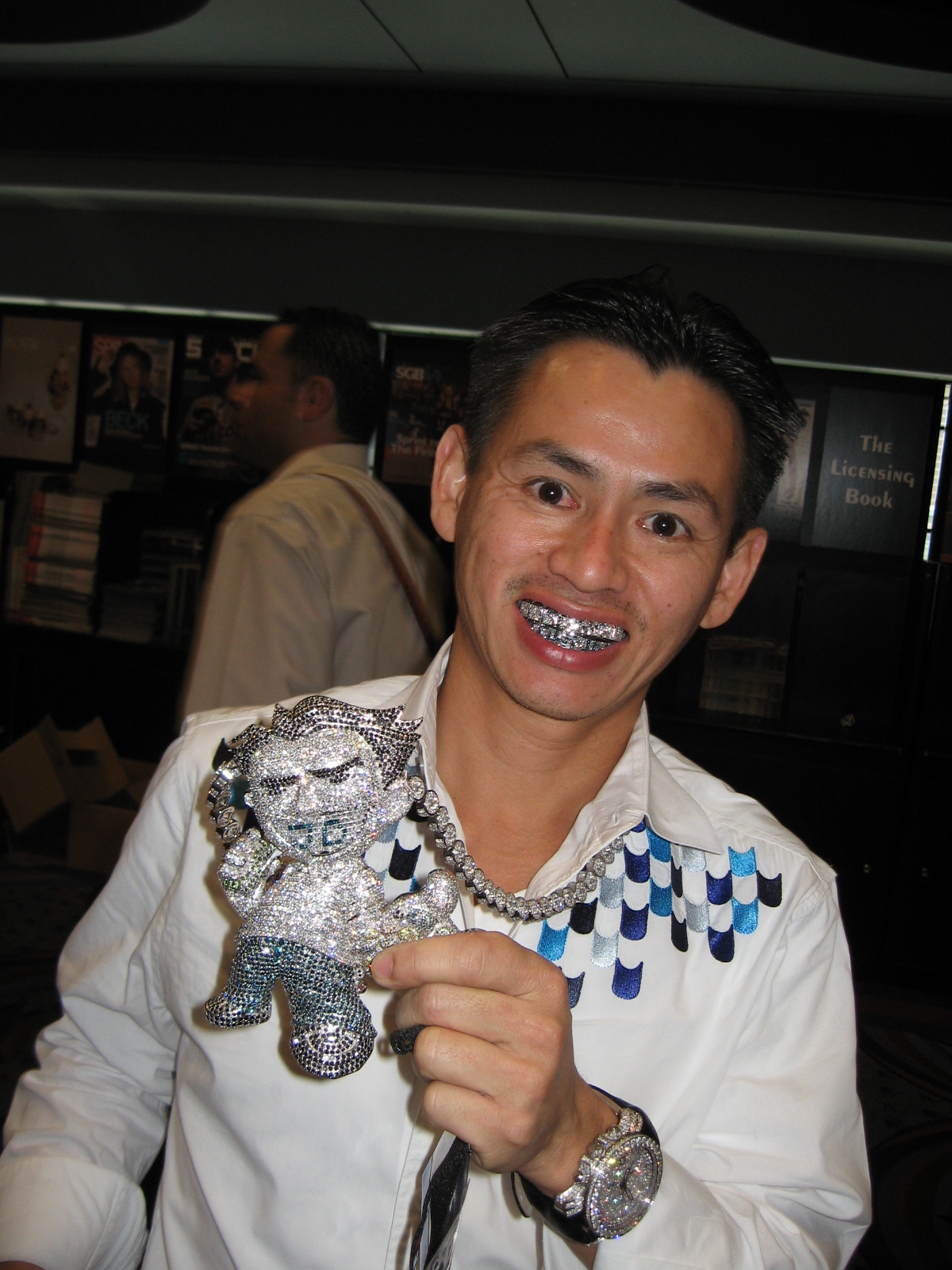
I’ve been clearing out photos from an old laptop and came across this 2008 snapshot. Many southern rap fans probably know TV Johnny Dang from his appearances in Slim Thug or Paul Wall videos. I talked to him for this piece I did back in ’07.

Looking at this photo again, though, TV reminds me a lot of an acquaintance, OC Weekly writer Gustavo Arellano. Not sure this qualifies as a “separated at birth” post. You decide.

Gustavo, as you can tell from his column and complete grip on  the OC immigration debate, is a Mexican journalist. TV Johnny is Vietnamese jeweler to southern rap stars. The thing they both share, other than having parents who were born in other countries, is being very successful in what they do.

The jams before Whitney

How did I miss this mixtape?

New Edition was part of that soundtrack to your childhood and early teens, flowing perfectly from elementary school radio pause tapes, to middle school dances. The first time you probably slow danced was to  “Can You Stand the Rain,” your hands high enough around your partner’s waist to be respectful.

That’s if a fight didn’t cut the night short for everybody.

Continue reading “The jams before Whitney”

Sublime visions of LBC

I’ve lived in Long Beach, California on a couple of occasions. Once in 2002, and again, from 2006 to 2007.

When you mention Long Beach, people always want to mention Snoop. But I think you have to look outside of hip-hop (and the Rivera family) to really find some of the best music that Long Beach produced; Sublime.  A recent roadtrip and a random mixtape reminded me how great a band they were. Check out a discography, here.

Continue reading “Sublime visions of LBC”

Google Video pick of the week #006

——

La Señora Muerte (1967), is a couture horror flick. It was one of several pictures prolific B-movie director Jaime Salvador made with Luis Enrique Vergara at his Filmica Vergara CineComisiones production banner in Mexico.

This film opens with Marlene’s lover dying after sexing her. While being stricken, he asks for the shady Dr. Farell, an evil mad scientist-like character played by this guy’s dad.  Farell wickedly tells Marlene that he needs fresh blood to revive  her – much older – lover. Of course, to make things even more interesting, the blood has to come from young, fashion-forward women.

The film, while cheesy as hell (check out the mad scientists computer), features some fancy houses in what could be Polanco, and a wardrobe by Mexico’s foremost designer of the 60’s and 70s, Pedro Loredo. It works for the film since Marlene, an eventual killer and the woman of the flick’s title, is a fashion designer.

Her costuming— I presume is also by Loredo, in the credits his billing goes: “Desfile de modas/ diseños de Pedro Loredo/ creador de la moda mexicana.”

Continue reading “Google Video pick of the week #006”

A Night With El Pinche Brujo

When I first heard El Pincho Brujo in his video for ¨Guadalajobru¨, an ode to his state´s top ranked soccer team and hip-hop lifestyle in Guadalajara, I thought I was hearing something special.

I didn´t realize regional Mexican rap had such a strong representative outside D.F. This guy, who came out of the Jalisco graffiti scene, hustles. ¨Brujo¨by the way, is the masculine for ¨witch,¨ and ¨pinche¨ as it´s used in most parts of Mexico, means either ¨damn¨, or  the adjectival ¨fucking¨.

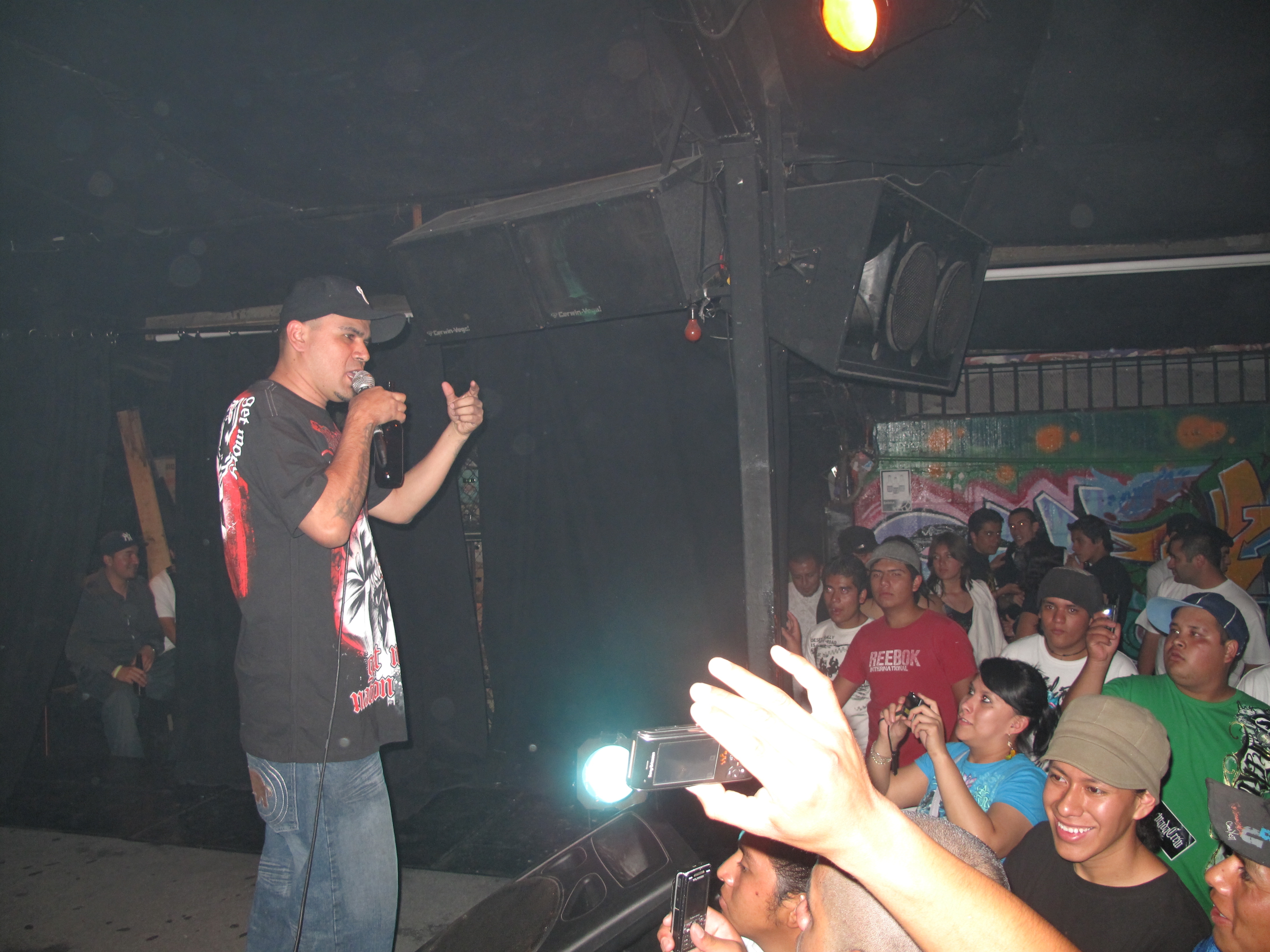
On a Saturday night late last month Brujo showcased his skills. No DJ. Just him, a beer, and roomful of teenagers and curious hip-hop fans. He even took shout outs for rugged spots like Chalco and Iztapalapa.

He prowled the stage in mock drunkenness.  Hitting his rapped punch lines with a nasally flow ala B-Real, but with more bass in his voice. A few times he mentioned the drug cartel devastated Ciudad Juarez. But only got as deep as saying, ¨Man….Juarez.¨ Of course what more could he say?

On a sidenote: El Universal, earlier this year, did a good video report on hip-hop in Juarez. (via Red Barrio)

I´ve been told by one Monterrey performer that drug gangs are known to ¨tax¨ performers sometimes for their show money. It´s rare to hear the type of drug trade braggadocio here that litters U.S. rap.

Nedman Guerrero performed about an hour before Brujo´s midnite set.  One of Mexico City´s more practiced MCs, his style is strictly based in the old school New York-flavored street rap. Learn more about him in this interview (in Spanish) with the Grita Rap blog.

Continue reading “A Night With El Pinche Brujo”